

How to Design a Reasonable Lithium-Ion Powder Pneumatic Conveying System Plan?
When it comes to the efficient and safe handling of lithium-ion powder in industrial applications, the design of a pneumatic conveying system is a critical factor. A well-designed system not only ensures optimal material transport but also maintains product integrity and operational safety. This article provides insights into the key considerations and steps involved in creating a reasonable lithium-ion powder pneumatic conveying system plan, with a focus on the expertise of Shandong HeadPowder Engineering Co., Ltd.
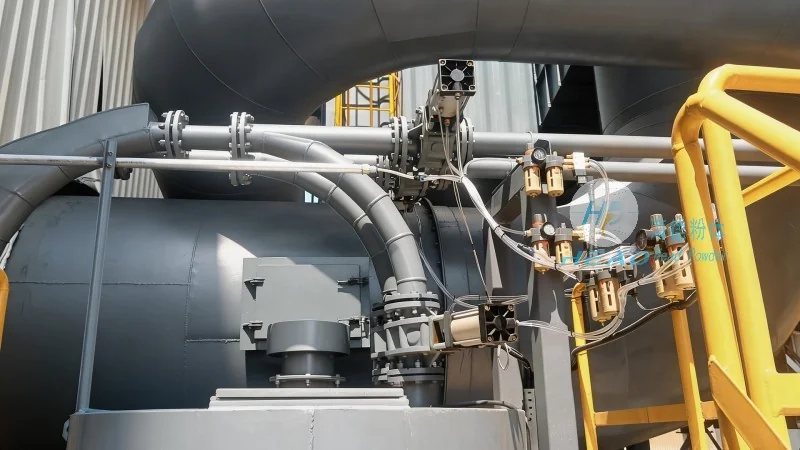
Understanding the Core Requirements for Lithium-Ion Powder Handling
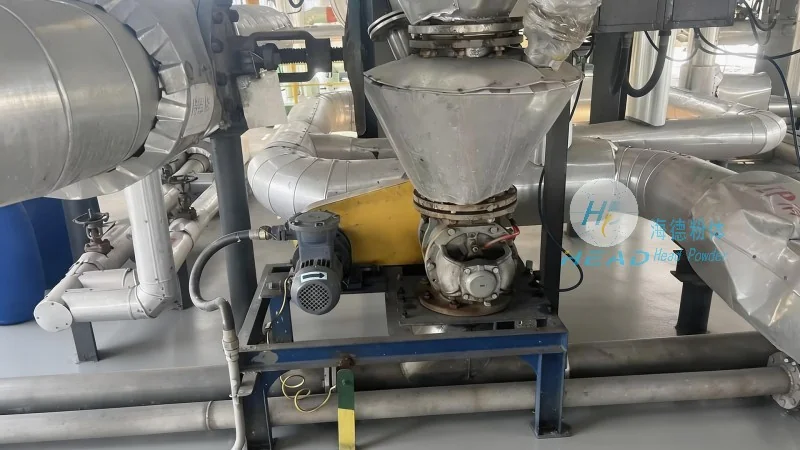
Before diving into system design, it is essential to understand the specific characteristics of lithium-ion powder. These materials often have unique properties such as high electrostatic charge, fine particle size, and potential reactivity. The pneumatic conveying system must be tailored to address these challenges effectively. For instance, the system should be capable of controlling dust generation, managing static electricity, and ensuring consistent flow rates. These requirements directly impact the choice of components like air compressors, pipelines, and control valves.
Key Components and Their Roles in the Pneumatic Conveying System
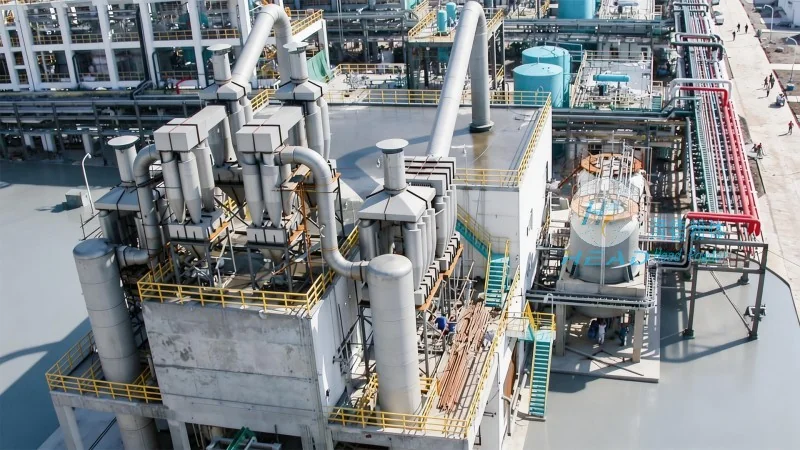
The successful operation of a lithium-ion powder pneumatic conveying system relies on several key components. The air compressor serves as the primary power source, generating the necessary pressure to move the powder through the pipeline. Different types of compressors, such as rotary lobe or screw compressors, may be selected based on the system's capacity and pressure needs. The pipeline network, typically made of materials like stainless steel or PTFE, must be designed to prevent material buildup and corrosion. Additionally, the inclusion of filters and cyclones is crucial for maintaining air quality and preventing particle contamination. These components work in tandem to ensure smooth and reliable material transport.
Design Considerations for System Efficiency and Safety
Efficiency and safety are paramount when designing a pneumatic conveying system for lithium-ion powder. The system should be optimized to minimize energy consumption while maximizing throughput. This involves selecting appropriate air velocities and pipeline diameters that balance material flow and pressure drop. Furthermore, safety measures such as explosion-proof designs and static grounding systems are essential to mitigate risks associated with flammable or reactive powders. The integration of sensors and monitoring systems can also enhance operational safety by providing real-time data on system performance and potential issues.
Customization and Implementation by Shandong HeadPowder Engineering Co., Ltd.
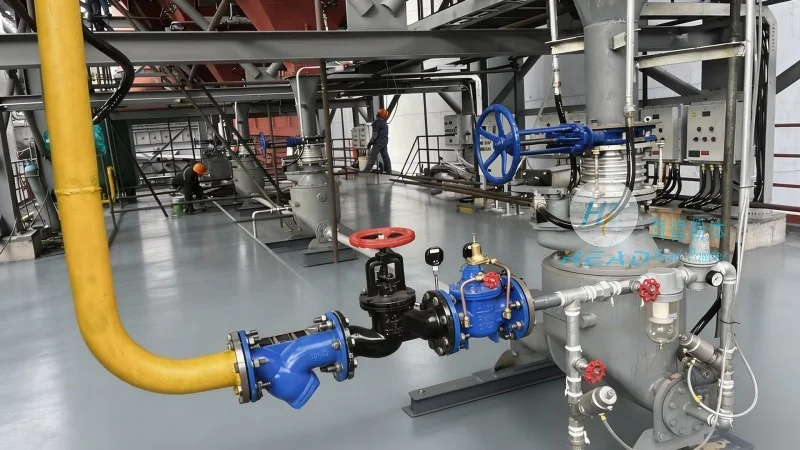
Shandong HeadPowder Engineering Co., Ltd., a leading provider in the field, specializes in designing and implementing customized pneumatic conveying solutions for lithium-ion powder applications. With years of experience, the company understands the unique challenges posed by these materials and offers tailored solutions that meet specific client requirements. The engineering team at HeadPowder conducts thorough assessments of material properties, process needs, and site conditions to develop a comprehensive system plan. This includes detailed calculations for air flow, pressure, and particle transport, ensuring that the final design is both efficient and safe. The company's approach emphasizes collaboration with clients to understand their operational goals and provide solutions that enhance productivity and reduce downtime.
Conclusion: Building a Reliable Pneumatic Conveying System
Designing a reasonable lithium-ion powder pneumatic conveying system requires a systematic approach that considers material properties, operational requirements, and safety standards. By leveraging the expertise of companies like Shandong HeadPowder Engineering Co., Ltd., industries can achieve efficient and reliable material handling solutions. The key to success lies in understanding the specific needs of the application and selecting the appropriate components and design strategies. With careful planning and implementation, a pneumatic conveying system can significantly improve the overall efficiency and safety of lithium-ion powder handling processes.