

Lithium-Ion Battery Anode Material Handling Methods: An Overview of the Advantages and Features of P
Lithium-ion battery anode materials are critical components in modern energy storage systems, and their efficient handling and transportation are vital for the entire production process. The choice of material handling method directly impacts production efficiency, material quality, and overall operational costs. Among various options, pneumatic conveying has emerged as a highly effective solution for transporting anode materials in lithium-ion battery manufacturing. This article provides an overview of the advantages and key features of pneumatic conveying systems specifically designed for lithium-ion battery anode materials, highlighting how they contribute to improved production workflows.
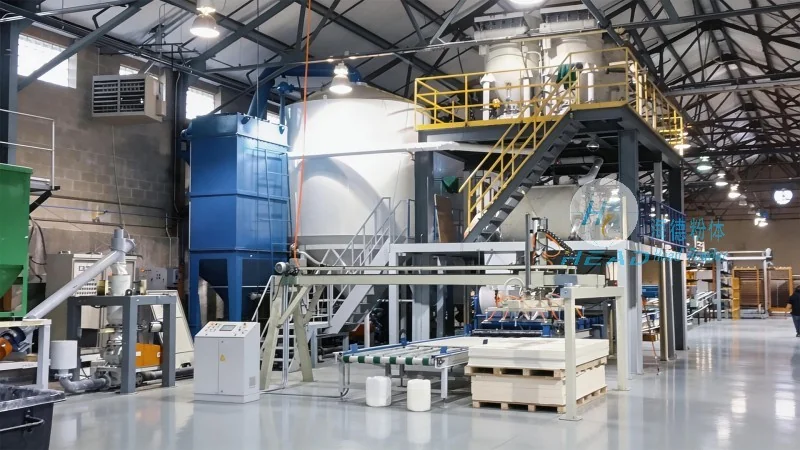
Key Challenges in Anode Material Handling
Handling lithium-ion battery anode materials, such as graphite, silicon, and other composite powders, presents unique challenges. These materials are often fine powders with specific particle sizes and moisture content requirements. Traditional methods like belt conveyors or screw conveyors may lead to material degradation, contamination, or inefficient flow. Additionally, the need for dust control and environmental compliance adds complexity to material handling processes. Pneumatic conveying addresses these challenges by providing a closed system that minimizes exposure to air and contaminants, ensuring the integrity of the anode material throughout the transportation process.
Advantages of Pneumatic Conveying for Anode Materials
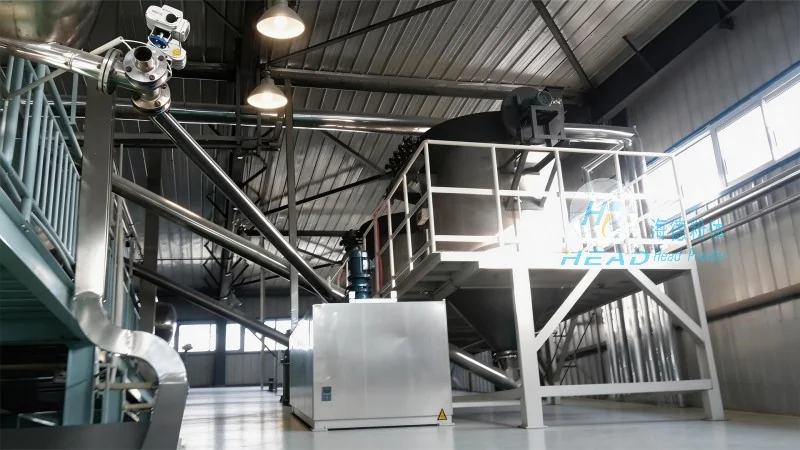
One of the primary advantages of pneumatic conveying is its ability to handle fine powders with high efficiency and minimal degradation. The system uses air pressure to transport materials through a network of pipes, eliminating the need for mechanical components that could cause friction or particle breakage. This is particularly beneficial for anode materials, which are sensitive to mechanical stress and require precise control over particle size distribution. Furthermore, pneumatic conveying systems can be designed for both low and high-pressure applications, allowing for flexible handling of different material types and flow rates. The closed system also ensures better dust control, reducing the risk of environmental contamination and improving workplace safety.
Key Features of Pneumatic Conveying Systems for Anode Materials
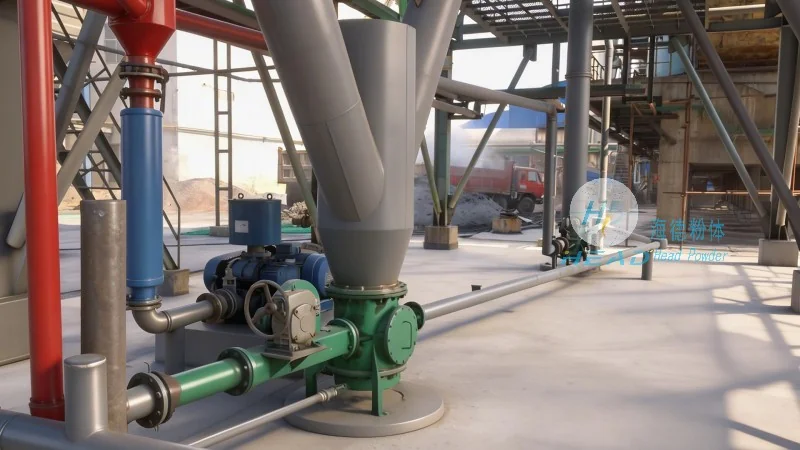
Modern pneumatic conveying systems for lithium-ion battery anode materials are equipped with several key features that enhance performance and reliability. These include: 1. Customizable Conveying Paths: Systems can be tailored to fit specific production layouts, allowing for flexible material routing from raw material storage to processing equipment. 2. Advanced Control Systems: Integrated sensors and controllers enable real-time monitoring of flow rates, pressure, and material levels, ensuring optimal operation and preventing system downtime. 3. Dust Extraction and Filtration: High-efficiency filters and dust collection systems are integrated into the design, maintaining a clean and safe working environment while complying with environmental regulations. 4. Material Compatibility: Specialized materials of construction, such as stainless steel or food-grade components, are used to prevent contamination and ensure the purity of anode materials.
Application Examples in Lithium-Ion Battery Manufacturing
Pneumatic conveying is widely used in various stages of lithium-ion battery production, from raw material handling to final product assembly. For instance, in the anode material preparation stage, pneumatic systems are used to transport graphite or silicon powders from storage silos to mixing and coating equipment. The closed system ensures that the powders remain uncontaminated and that the mixing process is consistent, which is critical for achieving uniform particle size and composition. Similarly, during the battery cell assembly phase, pneumatic conveying can be used to transport finished anode materials to the cell formation and packaging lines. The reliability and efficiency of these systems contribute to higher production throughput and lower operational costs.
Conclusion: The Role of Pneumatic Conveying in Modern Battery Manufacturing
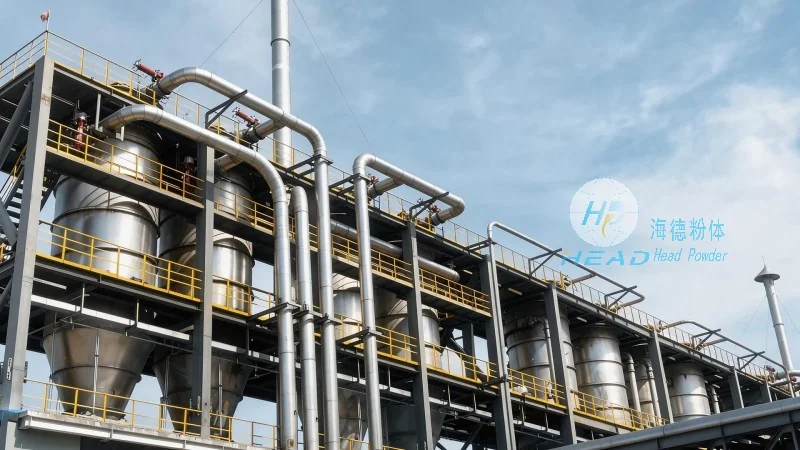
In conclusion, pneumatic conveying offers significant advantages for handling lithium-ion battery anode materials, addressing key challenges in material integrity, dust control, and operational efficiency. The systems provided by companies like Shandong HeadPowder Engineering Co., Ltd. (HeadPowder) are designed to meet the specific needs of the battery manufacturing industry, ensuring high-quality material transport while maintaining compliance with industry standards. By leveraging advanced pneumatic conveying technology, manufacturers can enhance their production processes, improve product quality, and achieve greater operational efficiency in the production of lithium-ion batteries.