

How to Choose the Right Pneumatic Conveying System for Your Nanopowder Handling Process?
When it comes to handling nanopowders in industrial applications, selecting the appropriate pneumatic conveying system is crucial for maintaining product integrity, ensuring efficient material transfer, and minimizing operational risks. Nanopowders, with their unique properties such as high surface area and potential for agglomeration, demand specialized equipment that can handle these challenges effectively. This guide aims to help you navigate the options and make an informed decision tailored to your specific nanopowder handling needs.
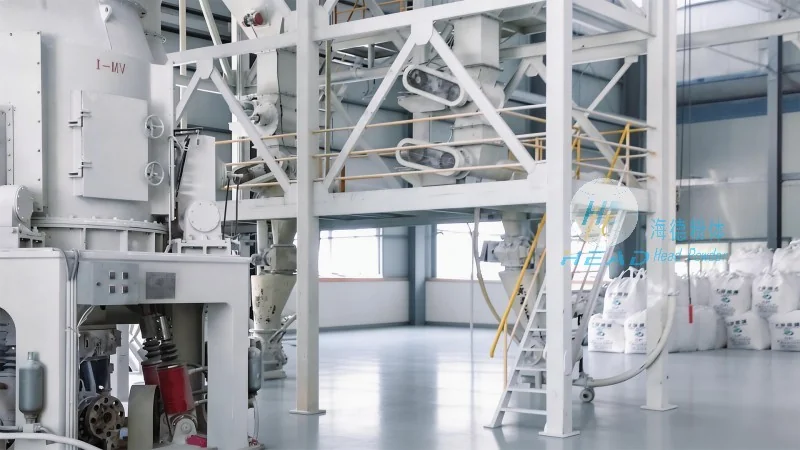
About HeadPowder: Your Trusted Partner in Nanopowder Handling Solutions
HeadPowder, a leading name in the field, specializes in providing customized pneumatic conveying systems for nanopowder applications. With years of experience and a deep understanding of the challenges associated with handling fine powders, HeadPowder has established itself as a reliable partner for industries ranging from pharmaceuticals to advanced materials manufacturing. Based in Shandong, China, the company leverages its expertise to deliver solutions that meet the stringent requirements of modern nanopowder processing.
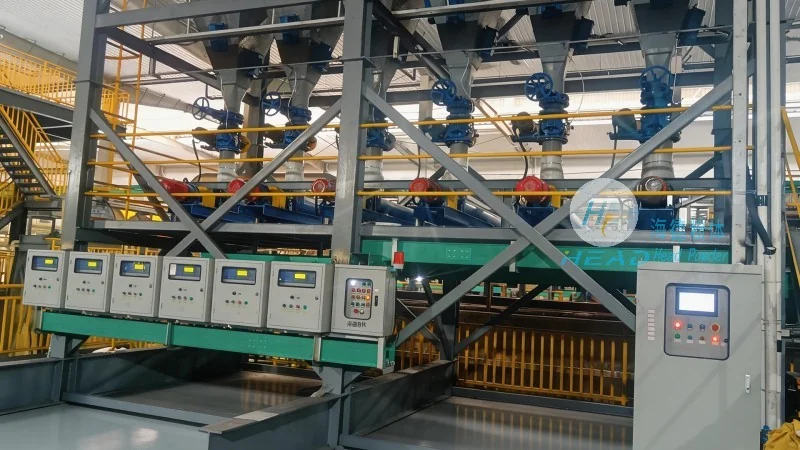
Key Factors to Consider When Selecting a Pneumatic Conveying System for Nanopowders
Choosing the right pneumatic conveying system for nanopowders involves evaluating several critical factors. The first consideration is the physical properties of the powder itself, including particle size, density, and flowability. Nanopowders often have a wide particle size distribution and can be prone to caking or agglomeration, which affects how they behave in a conveying system. Therefore, understanding these characteristics is essential to select a system that can handle the material without causing degradation or blockages.
Another key factor is the system pressure and type. Pneumatic conveying systems are generally categorized into two main types: positive pressure (or pressure) systems and negative pressure (or vacuum) systems. Positive pressure systems use compressed air to push material through the pipeline, while negative pressure systems use a vacuum to draw material. For nanopowders, positive pressure systems are often preferred as they provide better control over material flow and can handle more challenging materials, including those with high moisture content or tendency to stick to surfaces. However, the choice between the two depends on the specific application, including the distance and layout of the conveying route.
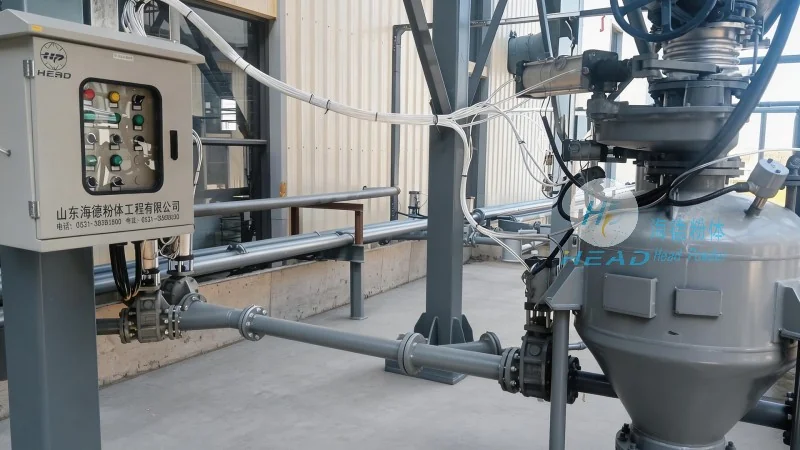
System capacity and throughput are also critical. The required conveying rate will determine the size and design of the system components, such as the air compressor, cyclone separators, and material feeders. For high-volume nanopowder applications, larger systems with higher air flow rates may be necessary to maintain efficiency and prevent material buildup. Conversely, for low-volume or intermittent operations, a smaller, more compact system may be sufficient.
Material compatibility and system maintenance are additional considerations. The materials used in the system components, such as the pipeline, valves, and filters, must be compatible with the nanopowder to avoid contamination or corrosion. For example, stainless steel is commonly used due to its resistance to corrosion and ability to handle fine powders without sticking. Regular maintenance, including cleaning and filter replacement, is also essential to ensure the system operates efficiently and prolong its lifespan.