

Delivery Methods for Magnesium Sulfate
When it comes to the delivery of magnesium sulfate, understanding the appropriate methods is crucial for ensuring efficiency, safety, and optimal performance in various industrial and medical applications. Magnesium sulfate, also known as Epsom salt, is widely used in pharmaceuticals, agriculture, and water treatment, among other sectors. The choice of delivery method depends on factors such as the concentration of the solution, the volume being transported, the distance involved, and the specific requirements of the end-use application. This information is provided by Shandong HeadPowder Engineering Co., Ltd., a leading manufacturer based in China, dedicated to delivering high-quality magnesium sulfate solutions and related services.
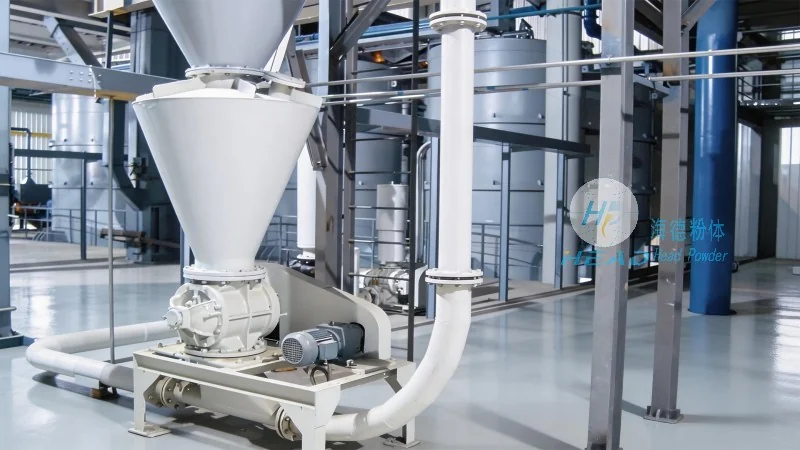
Common Delivery Methods for Magnesium Sulfate
Several methods are commonly employed to transport magnesium sulfate solutions from the production site to the point of use. These methods are designed to handle the physical properties of the solution, including its viscosity and potential for scaling or corrosion in the transport system.
Pipeline Delivery Systems
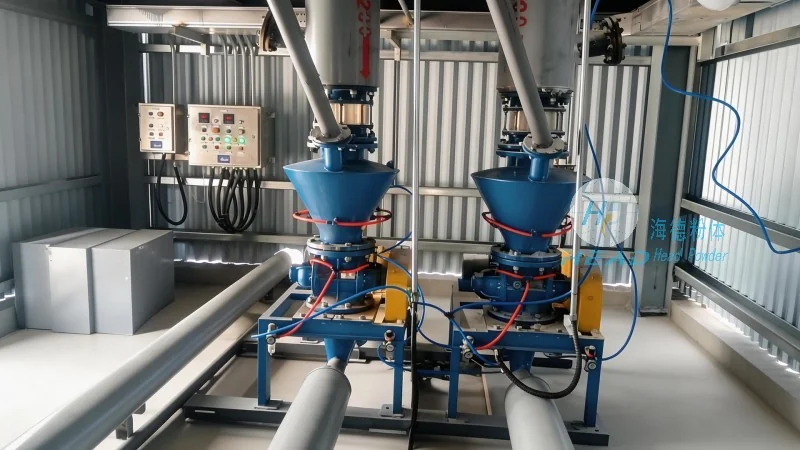
For large-scale industrial applications, pipeline delivery is a prevalent method. This involves pumping the magnesium sulfate solution through dedicated pipelines, often made of materials like stainless steel or PVC, which are resistant to the chemical properties of the solution. The pipeline system can be part of a larger industrial network, allowing for continuous and automated delivery from the manufacturing facility to processing plants or distribution centers. The use of positive displacement pumps or centrifugal pumps, depending on the flow rate and pressure requirements, ensures that the solution is moved efficiently without degradation. Additionally, pipeline delivery systems can be equipped with monitoring and control mechanisms to maintain consistent flow rates and solution quality, which is critical for maintaining product integrity and meeting regulatory standards.
Pump-Assisted Delivery
In many cases, especially when the solution needs to be transported over longer distances or to higher elevations, pump-assisted delivery is utilized. This method involves using specialized pumps, such as diaphragm pumps or gear pumps, to overcome pressure differentials and ensure reliable transport. The pumps are typically installed at strategic points along the delivery route, such as at the start of the pipeline or at intermediate locations, to maintain the necessary pressure and flow. This approach is particularly useful for applications where the solution is used in batch processes or where precise control over the delivery rate is required. The choice of pump type is influenced by factors like the solution's viscosity, the presence of solids, and the need for gentle handling to avoid foaming or degradation.
Containerized Delivery
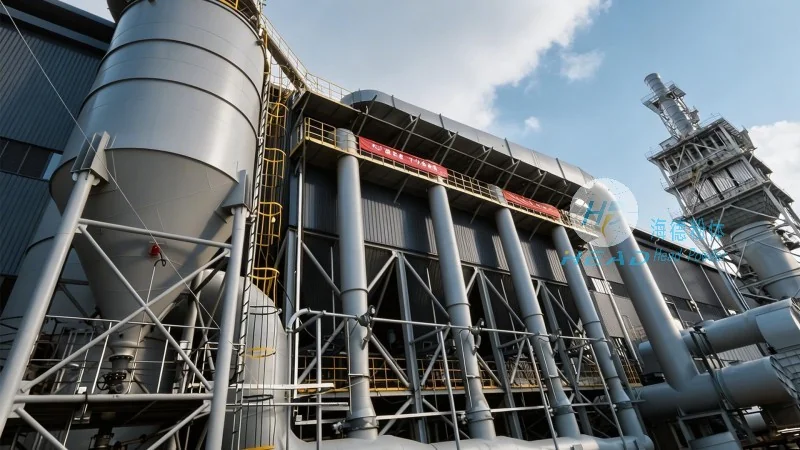
For smaller-scale or localized applications, containerized delivery is a practical option. This involves transporting magnesium sulfate in bulk containers, such as tank trucks or ISO containers, which are designed to hold and transport liquid chemicals safely. The containers are equipped with valves, gauges, and other safety features to ensure proper handling and to prevent spills or leaks during transit. This method is often used for delivering magnesium sulfate to smaller industrial sites, laboratories, or agricultural operations where the volume required is lower than what a pipeline system can efficiently handle. The containerized approach allows for flexibility in delivery, as the containers can be transported by road or rail to the destination, and the solution can be dispensed directly from the container using appropriate equipment, such as a pump or a gravity-fed system.
Specialized Delivery Equipment
Some applications may require specialized delivery equipment to address unique challenges. For example, in pharmaceutical manufacturing, where the purity and sterility of the magnesium sulfate solution are paramount, specialized equipment like sterile filtration systems or aseptic transfer lines may be used. These systems ensure that the solution remains free from contaminants and that the delivery process does not introduce any impurities that could affect the final product quality. In agricultural applications, where the solution is used as a fertilizer or a soil amendment, specialized sprayers or applicators may be employed to ensure uniform distribution of the magnesium sulfate. These equipment choices are tailored to the specific needs of the application, ensuring that the magnesium sulfate is delivered in a manner that maximizes its effectiveness and minimizes waste.
Factors Influencing Delivery Method Selection
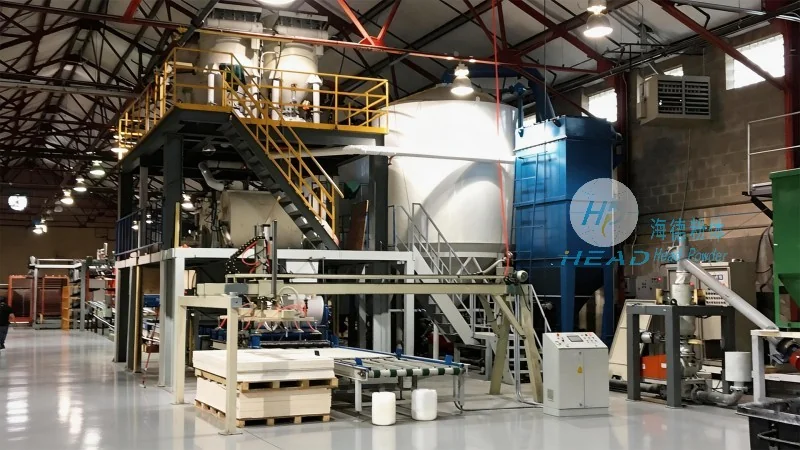
The selection of a delivery method for magnesium sulfate is influenced by a range of factors that must be carefully considered to ensure the most appropriate and efficient approach. One of the primary factors is the scale of the operation. Large-scale industrial facilities may benefit from pipeline delivery systems, which offer continuous and high-volume transport, while smaller operations may find containerized delivery more suitable due to its flexibility and lower infrastructure requirements. The distance between the production site and the point of use is another critical factor. For short distances, pump-assisted delivery or direct pipeline connections may be sufficient, whereas for longer distances, additional pumping stations or intermediate storage may be necessary to maintain the solution's quality and prevent degradation. The physical properties of the magnesium sulfate solution itself also play a role. For instance, if the solution is highly viscous or contains suspended solids, specialized pumps or equipment may be required to ensure smooth and reliable transport. Regulatory requirements and safety considerations are also important, as different industries have specific standards for the handling and transport of chemical solutions. Compliance with these regulations is essential to avoid legal issues and to ensure the safety of personnel and the environment.
Conclusion
Choosing the right delivery method for magnesium sulfate is a critical step in ensuring the efficient and safe transport of this important chemical. Whether through pipeline systems, pump-assisted delivery, containerized transport, or specialized equipment, the goal is to maintain the solution's quality, minimize losses, and meet the specific needs of the end-use application. By considering factors such as scale, distance, solution properties, and regulatory requirements, manufacturers and users can select the most appropriate delivery method. This approach not only enhances operational efficiency but also ensures compliance with industry standards and safety protocols. As the demand for magnesium sulfate continues to grow in various sectors, the development of advanced delivery systems will remain essential to meet the evolving needs of the market.