

Which Methods Are Available for Coke Powder Conveying?
Coke powder, a critical material in industrial processes, requires efficient and reliable conveying systems to ensure smooth operations. The choice of conveying method depends on factors such as material properties, production scale, and operational environment. Shandong HeadPowder Engineering Co., Ltd., a leading provider in the field, offers a range of solutions tailored to meet diverse industrial needs. This article explores the primary methods used for coke powder conveying, highlighting their advantages and applications.
Pneumatic Conveying Systems
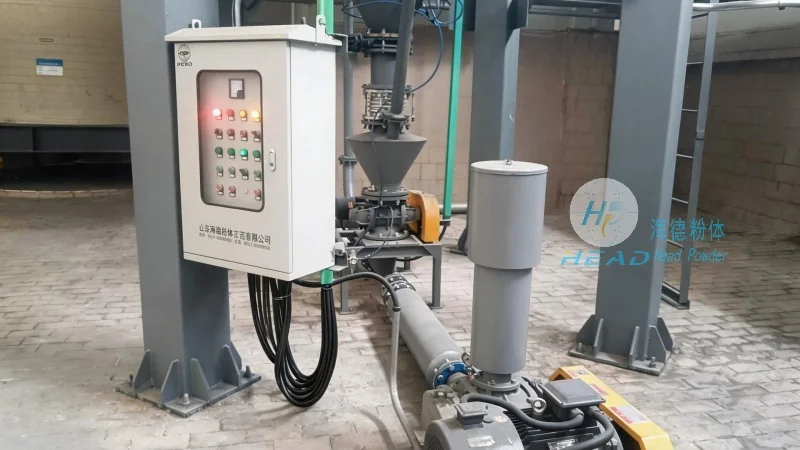
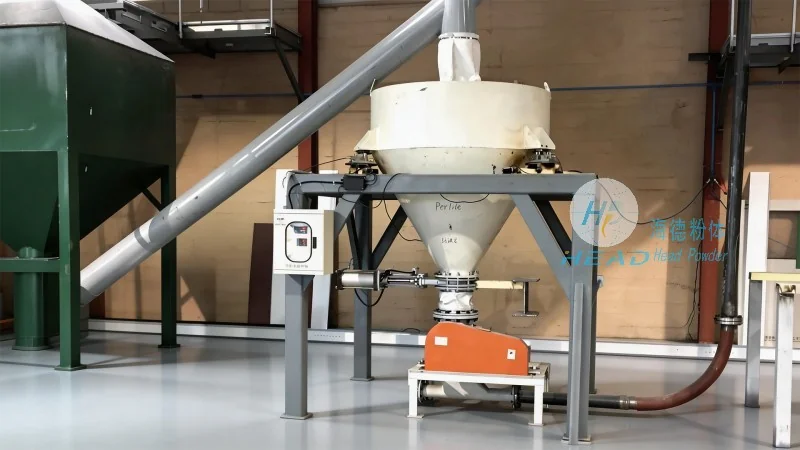
Pneumatic conveying, also known as air-based transport, is a widely adopted method for coke powder handling. This technology utilizes compressed air to move the material through a pipeline. There are two main types: pressure and vacuum systems. Pressure systems use positive pressure to push the material forward, while vacuum systems create a negative pressure to draw the material. The choice between them depends on the distance and material characteristics. For example, in large-scale coke production facilities, pressure pneumatic systems are often preferred due to their ability to handle high volumes efficiently. The equipment typically includes a hopper, a rotary valve, a conveyor line, and a dust collector. The rotary valve acts as a gate to control the flow of coke powder into the system, ensuring a consistent feed. The conveyor line, usually made of stainless steel or other corrosion-resistant materials, minimizes material degradation and contamination. The dust collector is essential for maintaining air quality and preventing environmental pollution. Pneumatic conveying offers advantages such as low maintenance, minimal space requirements, and the ability to transport materials over long distances. However, it may require higher energy consumption compared to other methods. Shandong HeadPowder Engineering Co., Ltd. specializes in designing and manufacturing customized pneumatic conveying systems that optimize performance and energy efficiency.
Mechanical Conveying Systems
Mechanical conveying systems rely on mechanical components to transport coke powder. The most common types include belt conveyors, screw conveyors, and bucket elevators. Belt conveyors use a continuous belt to move the material horizontally or at a slight incline. They are suitable for transporting large quantities of coke powder over moderate distances. The belt is typically made of rubber or synthetic materials, providing durability and resistance to abrasion. The system includes a drive unit, a pulley, and a frame. The drive unit provides the necessary power to move the belt, while the pulley ensures smooth operation. The frame supports the belt and guides the material. Screw conveyors, also known as auger conveyors, use a rotating screw to push the material forward. They are ideal for vertical or inclined transport and can handle a wide range of particle sizes. The screw is made of stainless steel or other wear-resistant materials, reducing the risk of material degradation. The housing of the screw conveyor is designed to contain the material and prevent spillage. Mechanical conveying systems are generally more cost-effective than pneumatic systems, especially for short-distance transport. However, they may require more maintenance due to the moving parts. Shandong HeadPowder Engineering Co., Ltd. offers a variety of mechanical conveying solutions, including custom-designed belt and screw conveyors, tailored to specific industrial requirements.
Pipeline Conveying Systems
Pipeline conveying, also referred to as slurry or slurry pipeline transport, is another method used for coke powder conveying. This technique involves mixing the coke powder with a liquid (such as water or a carrier fluid) to form a slurry, which is then pumped through a pipeline. The system typically includes a slurry preparation unit, a pump, and a pipeline network. The slurry preparation unit mixes the coke powder with the liquid to achieve the desired consistency. The pump, often a centrifugal or positive displacement type, transports the slurry through the pipeline. The pipeline is usually made of steel or other durable materials, capable of withstanding the pressure and abrasion from the slurry. Pipeline conveying is particularly effective for long-distance transport and large-scale operations. It allows for continuous and uninterrupted material movement, reducing downtime and increasing productivity. However, it requires careful control of the slurry consistency to prevent clogging and ensure smooth flow. Shandong HeadPowder Engineering Co., Ltd. provides pipeline conveying systems that incorporate advanced control technologies to maintain optimal slurry conditions and minimize operational issues.

Hybrid Conveying Systems
Hybrid conveying systems combine elements of pneumatic and mechanical or pipeline systems to leverage the advantages of each method. For example, a hybrid system might use a pneumatic conveyor for short-distance transport and a mechanical conveyor for longer distances. This approach optimizes energy consumption and operational efficiency. Another hybrid method involves using a pneumatic system to transport coke powder to a storage silo, followed by a screw conveyor to feed the material into a processing unit. Hybrid systems are particularly useful in complex industrial settings where multiple conveying requirements exist. Shandong HeadPowder Engineering Co., Ltd. specializes in designing hybrid conveying solutions that integrate various technologies to meet specific customer needs, ensuring efficient and reliable coke powder handling.
Factors Influencing Conveying Method Selection
The selection of a coke powder conveying method depends on several key factors. Material properties, such as particle size, moisture content, and abrasiveness, play a crucial role. For example, fine coke powder with high moisture content may be better suited for pneumatic conveying due to its ability to handle fine particles and maintain flow. Production scale is another critical factor. Large-scale operations may require high-capacity systems like pressure pneumatic or pipeline conveyors, while small-scale operations may opt for mechanical systems. Operational environment, including space availability and environmental regulations, also influences the choice. For instance, in areas with strict air quality standards, pneumatic systems with advanced dust collection may be preferred. Cost considerations, including initial investment and long-term maintenance, are also important. Shandong HeadPowder Engineering Co., Ltd. assists clients in evaluating these factors and selecting the most appropriate conveying method, ensuring optimal performance and cost-effectiveness.