

What Methods Can Be Used for Barite Powder Transportation?
Barite powder, a critical industrial mineral utilized in sectors like oil drilling, paint formulation, and medical imaging, requires efficient and reliable transportation to support smooth production workflows. The selection of a transportation method depends on factors such as the powder's physical properties, the distance to be covered, and the required throughput. This article explores several effective approaches for barite powder transportation, highlighting the capabilities of Shandong HeadPowder Engineering Co., Ltd. as a leading provider in the field.
1. Pipeline Transportation Systems for Barite Powder
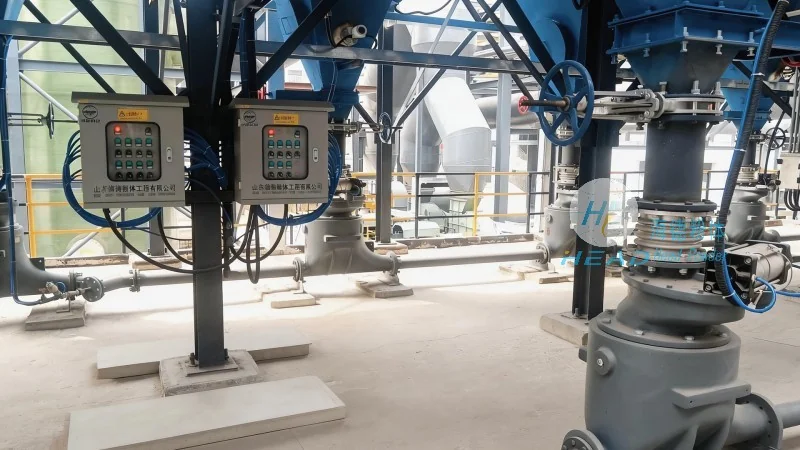
Pipeline transportation is a common and efficient method for moving barite powder over medium to long distances. This approach involves specialized pipelines equipped with valves, pumps, and filters to maintain flow and prevent clogging. The system typically includes a hopper for storage, a conveyor or screw feeder to feed material into the pipeline, and pressure vessels or surge tanks to regulate flow. For instance, in oilfield applications, barite powder is transported via pipelines from storage to drilling sites, where it is mixed with drilling fluids to enhance density and performance. The pipeline system ensures continuous, controlled flow, minimizing downtime and boosting operational efficiency. Shandong HeadPowder Engineering Co., Ltd. specializes in designing and manufacturing high-quality pipeline systems tailored to barite powder needs, ensuring durability and reliability in demanding industrial environments.
2. Pneumatic Conveying Technology for Barite Powder
Pneumatic conveying, or air-assisted transport, is another effective method for fine barite powder, especially when dealing with dust and clogging risks. This technology uses compressed air to move powder through pipes, combining material with air to create a slurry or dilute suspension. Two main types exist: positive pressure (air blown into pipeline) and negative pressure (vacuum draws material). The choice depends on distance, material volume, and dust control needs. Pneumatic conveying offers advantages like low maintenance, long-distance transport without multiple transfer points, and flexibility with existing lines. Shandong HeadPowder Engineering Co., Ltd. has extensive experience implementing pneumatic solutions, optimizing system design for high efficiency and minimal material loss.
3. Screw Conveyors and Auger Systems for Barite Powder Handling
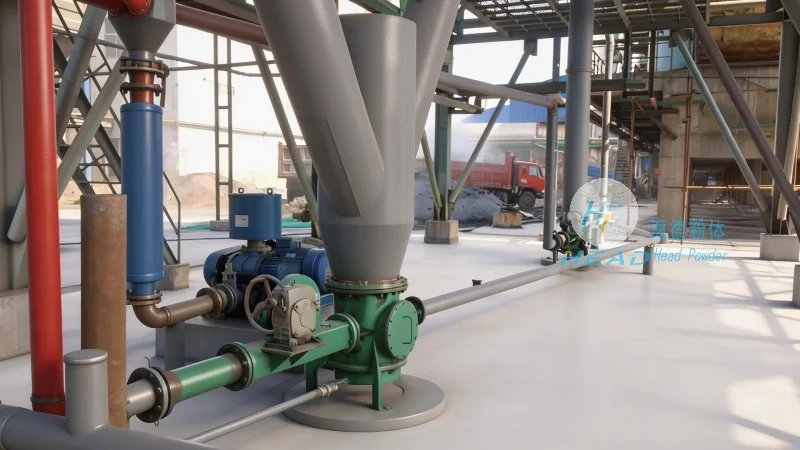
Screw conveyors, or auger conveyors, are widely used for horizontal or slight inclined transport of dry, free-flowing barite powder. These systems feature a rotating screw inside a cylindrical trough, moving powder forward as the screw rotates. Screw conveyors are ideal for processing plants, transporting powder from storage bins to mixers or classifiers. Design can be customized for moisture content and particle size. For example, in paint manufacturing, screw conveyors move barite from storage to mixing tanks, ensuring consistent feed rates. Shandong HeadPowder Engineering Co., Ltd. provides robust screw conveyor systems with variable speed drives and wear-resistant materials, extending equipment lifespan and maintaining product quality.
4. Belt Conveyors for Bulk Barite Powder Transport
Belt conveyors are essential for bulk material handling, including barite powder. These systems use a continuous belt moving over rollers or idlers to transport material over long horizontal distances. Belt conveyors handle large volumes and are common in mining/processing facilities, moving powder from crushing to storage silos. Design adjusts to particle size and moisture via belt materials and tensioning. In oilfields, belt conveyors supply barite to drilling rigs. Shandong HeadPowder Engineering Co., Ltd. manufactures high-capacity belt conveyor systems with heavy-duty belts and robust frames, ensuring reliable operation with advanced control systems.
5. Combined Systems for Optimal Barite Powder Transportation
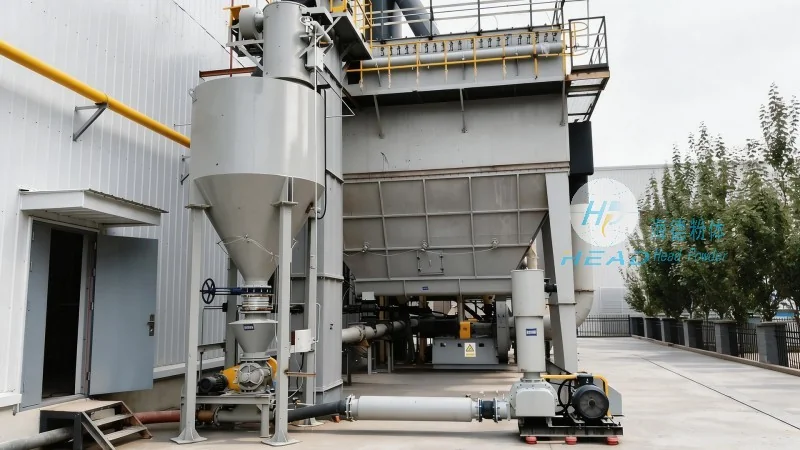
Integrated systems combining multiple technologies often yield optimal results. For example, a screw conveyor may move barite from a storage bin to a pneumatic line, then to the final destination. This approach handles different production stages efficiently. Shandong HeadPowder Engineering Co., Ltd. offers customized integrated solutions, leveraging expertise in pipeline and pneumatic systems to maximize throughput and minimize energy use. Combined systems also improve dust control and environmental compliance, contributing to safer, more sustainable operations.
6. Factors to Consider When Choosing a Barite Powder Transportation Method
When selecting a transportation method, key factors include the powder's physical properties (particle size, moisture, bulk density), distance, required throughput, and cost. Equipment and maintenance expenses vary by system. Dust control and environmental regulations are also critical, as barite powder can cause airborne particles. Shandong HeadPowder Engineering Co., Ltd. assists clients in evaluating these factors, providing technical expertise and tailored solutions aligned with operational goals. By considering all elements, companies optimize barite powder transport, reducing downtime, improving productivity, and enhancing overall efficiency.