

Comparison of Common Calcium Phosphate Delivery Methods
Calcium phosphate is a vital raw material across multiple industries, including pharmaceuticals, food processing, and chemical manufacturing. The efficient and reliable delivery of this material is crucial for maintaining production efficiency, ensuring product quality, and minimizing operational disruptions. This article provides a comprehensive comparison of common calcium phosphate delivery methods, focusing on their applications, advantages, and limitations to help industries select the most suitable system for their needs.
Introduction to Calcium Phosphate Handling Challenges
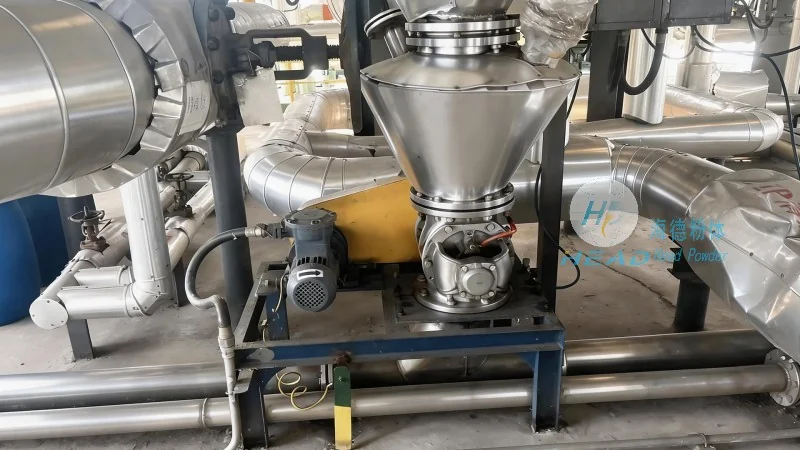
Calcium phosphate, often supplied as fine powders or granules, presents unique handling challenges due to its particle size, tendency to agglomerate, and potential for bridging or caking. Proper delivery systems must address these challenges to ensure consistent flow rates, prevent material loss, and protect equipment from wear and tear. The choice of delivery method is influenced by factors such as material properties, production scale, process requirements, and budget constraints.
Company Profile: Shandong HeadPowder Engineering Co., Ltd.
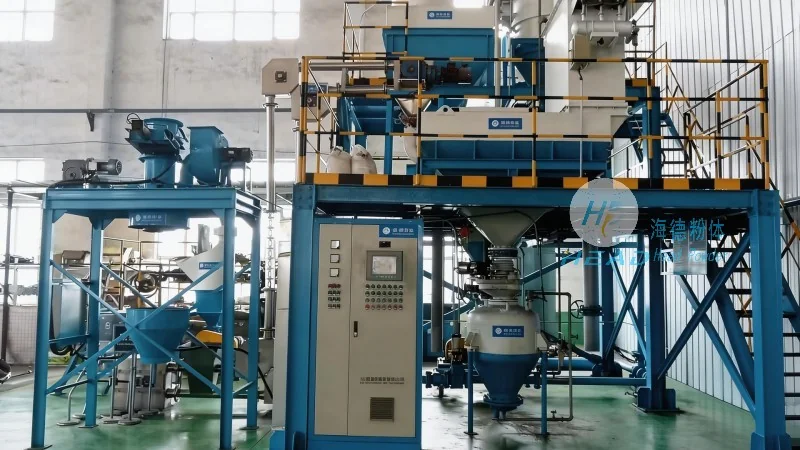
HeadPowder, a leading manufacturer of powder handling solutions, specializes in designing and supplying equipment for the safe and efficient transport of calcium phosphate and other bulk materials. HeadPowder has established a strong reputation in the industry for its innovative approach, customer-centric solutions, and commitment to quality. The company’s headquarters is located in Shandong, China, where it operates advanced manufacturing facilities and research centers dedicated to developing cutting-edge powder handling technologies.
1. Pneumatic Conveying Systems
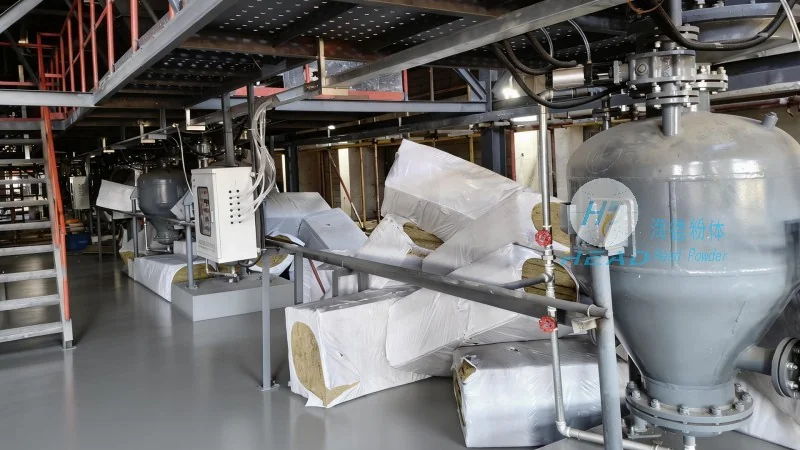
Pneumatic conveying is a widely adopted method for transporting calcium phosphate, particularly in applications requiring long-distance or high-volume material transport. This system utilizes compressed air to move material through a pipeline. Two primary types exist: pressure and vacuum systems. Pressure systems are suitable for short to medium distances and can handle high material loads, while vacuum systems are ideal for long distances and operate at lower air pressure. Pneumatic conveying offers advantages such as minimal material degradation, low maintenance requirements, and the ability to handle abrasive or sensitive materials. However, it may be less efficient for extremely fine powders and can be affected by fluctuations in air pressure or temperature.
2. Screw Conveyors
Screw conveyors are a cost-effective and versatile solution for calcium phosphate delivery, especially in horizontal or slightly inclined applications. These systems consist of a rotating screw inside a trough, which propels material along the conveyor. Screw conveyors are suitable for moderate to high material volumes and can accommodate a wide range of particle sizes. They offer benefits like low energy consumption, simple design, and the capability to mix or blend materials. Nevertheless, they may not be suitable for very fine powders or materials prone to clogging, as the screw can cause material accumulation and blockages.
3. Belt Conveyors
Belt conveyors are another popular method for calcium phosphate transport, particularly in applications demanding high throughput and long distances. These systems use a continuous belt to move material from one location to another. Belt conveyors are effective for both horizontal and inclined transport and can handle diverse material types, including powders and granules. They provide advantages such as high capacity, low maintenance, and the ability to transport materials over extended distances. However, they may require more space and can be impacted by material buildup on the belt, which reduces efficiency.
4. Hydraulic Conveying
Hydraulic conveying is a specialized method for transporting calcium phosphate, especially where other systems are unsuitable. This system uses a liquid medium—such as water or a slurry—to move material through a pipeline. Hydraulic conveying is ideal for very fine powders or materials that are difficult to handle with conventional methods. It offers advantages like high efficiency, low energy consumption, and the ability to transport materials over long distances. However, it requires additional equipment for slurry preparation and disposal, and the system can be affected by changes in liquid properties or temperature.
5. Gravity Flow Systems
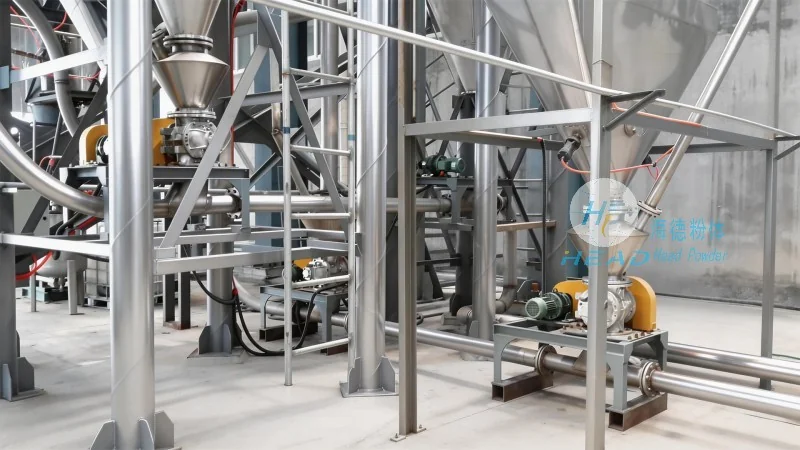
Gravity flow systems are a simple and economical method for calcium phosphate delivery in applications where the material can flow under the influence of gravity. These systems use chutes or hoppers to move material from a higher to a lower level. Gravity flow is suitable for moderate to low material volumes and can handle materials that are not prone to caking or bridging. It offers benefits such as low energy consumption, minimal maintenance, and the ability to handle abrasive materials. However, it is limited by the need for a suitable slope and may not be suitable for very fine powders or materials requiring precise control over flow rates.
Conclusion and Practical Recommendations
The selection of a calcium phosphate delivery method depends on several key factors, including material properties, production scale, and process requirements. Pneumatic conveying is ideal for long-distance or high-volume transport, while screw and belt conveyors are suitable for moderate to high material volumes. Hydraulic conveying serves as a specialized option for very fine powders, and gravity flow systems offer a cost-effective solution for moderate volumes. HeadPowder provides a range of tailored equipment and solutions to meet these diverse needs, ensuring efficient and reliable calcium phosphate delivery for its global customer base.