

Common Methods for Conveying Tailings and Sludge: An Overview of Air-Pneumatic Conveying
Efficient and reliable transportation of tailings and sludge is a critical aspect of modern mining and processing operations. The choice of conveying method significantly impacts operational efficiency, safety, and environmental compliance. In this article, we explore common tailings and sludge conveying methods, with a focus on air-pneumatic conveying as a prominent solution.
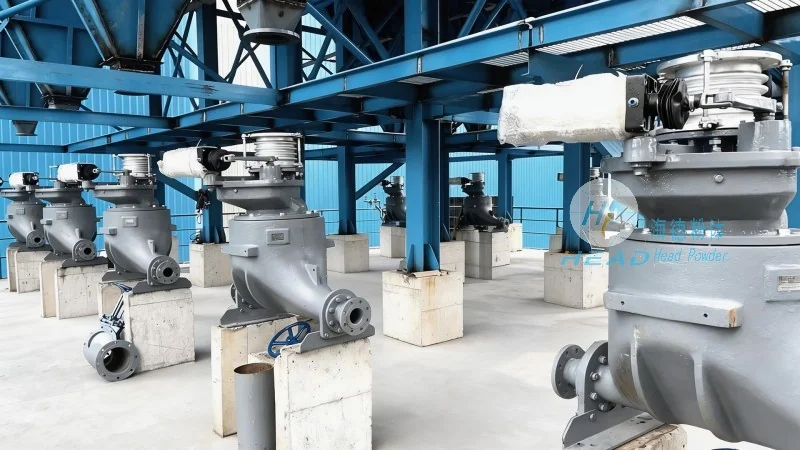
Understanding Tailings and Sludge Conveying Challenges
Tailings and sludge are byproducts of mineral processing, often containing fine particles and high moisture content. These materials present unique challenges for transportation, including abrasiveness, variability in particle size, and the potential for clogging. Traditional methods like gravity flow or mechanical conveyors may struggle with these characteristics, leading to inefficiencies and increased maintenance costs. This section outlines the key considerations for selecting an appropriate conveying system to address these challenges effectively.
Common Conveying Methods for Tailings and Sludge
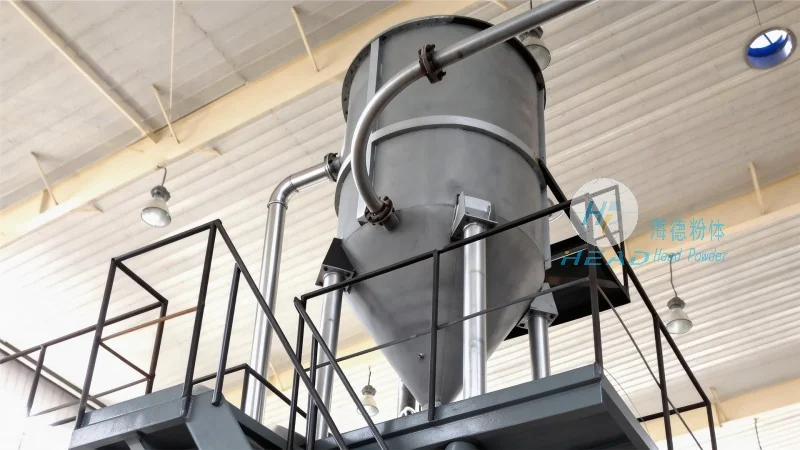
Several methods are employed for transporting tailings and sludge, each with its own advantages and limitations. The most common approaches include:
Gravity Flow Conveying: This method relies on the natural slope of the terrain to move materials. It is cost-effective for short distances and low volumes but is limited by the need for suitable topography and may not be suitable for steep inclines or long distances. The simplicity of gravity flow makes it an attractive option for certain applications, but its limitations often necessitate alternative solutions.
Mechanical Conveyors (e.g., Belt Conveyors): Belt conveyors use a continuous belt to transport materials. They are suitable for bulk materials and can handle long distances, but they require regular maintenance and may be prone to wear from abrasive tailings. The high friction and mechanical stress on the belt and pulleys can lead to increased downtime and operational costs, especially in harsh environments.
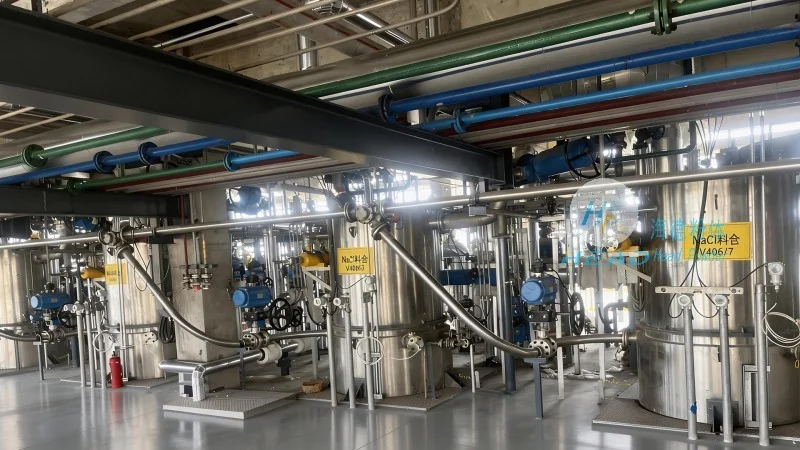
Pneumatic Conveying: This method uses compressed air to transport materials through a pipeline. It offers flexibility in layout and can handle fine particles and high moisture content, making it a popular choice for challenging applications. Pneumatic systems can be designed as pressure or vacuum systems, each with specific applications depending on the material and distance requirements.
An Introduction to Air-Pneumatic Conveying for Tailings
Air-pneumatic conveying, also known as pneumatic transport, is a technology that uses a combination of air pressure and vacuum to move tailings and sludge through a closed pipeline system. This method is particularly effective for handling fine, dry, or wet materials that are difficult to transport using traditional methods. The system typically consists of a blower or vacuum pump, a pipeline network, and control valves. The compressed air creates a fluidized bed within the pipeline, preventing clogging and ensuring smooth flow. This makes it ideal for transporting tailings from processing plants to disposal sites or for returning water to the process loop.
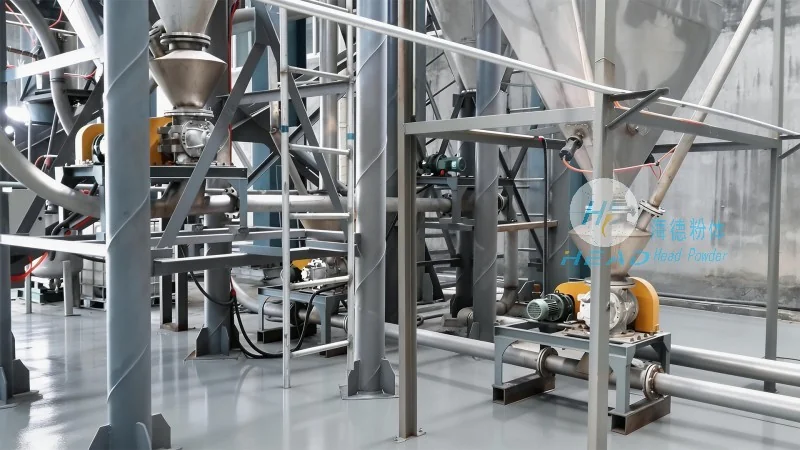
One of the key advantages of air-pneumatic conveying is its ability to handle materials with high moisture content and fine particle sizes. The compressed air creates a fluidized bed within the pipeline, preventing clogging and ensuring smooth flow. This makes it ideal for transporting tailings from processing plants to disposal sites or for returning water to the process loop. The system can also be designed to handle abrasive materials without significant wear, thanks to the protective effect of the air flow.
Shandong HeadPowder Engineering Co., Ltd., a leading provider of tailings management solutions, specializes in designing and implementing air-pneumatic conveying systems tailored to the specific needs of mining operations. With years of experience in the industry, the company has developed expertise in optimizing system performance, ensuring energy efficiency, and minimizing environmental impact. The company’s approach to air-pneumatic conveying involves a comprehensive design process that considers factors such as material characteristics, distance, and operational requirements. By leveraging advanced engineering and materials, HeadPowder ensures that its systems are durable, reliable, and cost-effective. Their solutions are designed to meet the stringent safety and environmental standards required by modern mining operations.
HeadPowder’s air-pneumatic conveying systems are engineered to handle a wide range of tailings and sludge types, from fine powders to wet slurries. The company’s engineers work closely with clients to assess the specific challenges of their operations and develop customized solutions. This includes selecting the appropriate type of pneumatic system (e.g., pressure or vacuum), determining the optimal pipeline diameter and layout, and integrating control systems for efficient operation. The result is a system that maximizes material throughput while minimizing energy consumption and maintenance needs.
For mining operations seeking to improve the efficiency and reliability of their tailings and sludge transportation, air-pneumatic conveying offers a robust and flexible solution. By partnering with a specialized provider like Shandong HeadPowder Engineering Co., Ltd., companies can ensure that their conveying systems are tailored to their unique needs, delivering long-term benefits in terms of operational performance and cost savings.