

How to Design a Reasonable Fluorspar Powder Pneumatic Conveying System Plan?
When designing a pneumatic conveying system for fluorspar powder, it is crucial to consider multiple factors to ensure efficiency, reliability, and safety. The process involves selecting appropriate equipment, determining the system layout, and implementing effective control measures. This article will guide you through the key considerations and steps involved in creating a well-designed fluorspar powder pneumatic conveying system.
Key Factors in System Design
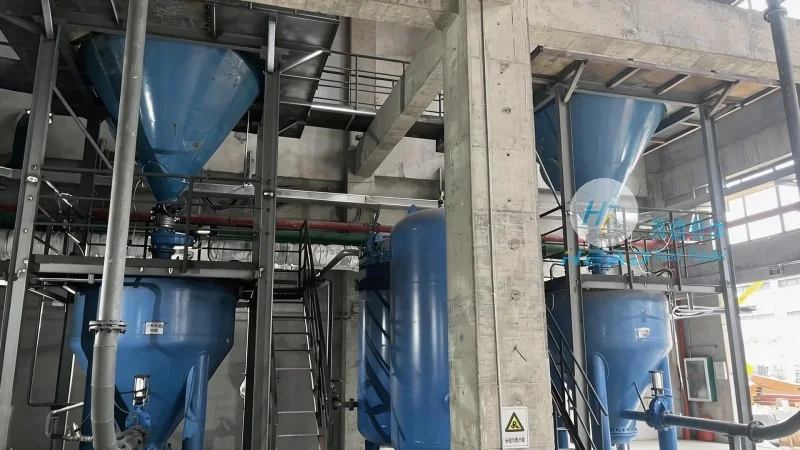
The success of a fluorspar powder pneumatic conveying system depends on several critical factors. First, the particle size and density of the fluorspar powder must be accurately characterized. These properties influence the choice of air velocity, pressure, and equipment type. Additionally, the system's capacity requirements—such as the desired flow rate and material handling volume—must be determined based on production needs. Other important considerations include the distance the material needs to be conveyed, the presence of obstacles or changes in elevation, and the environmental conditions where the system will operate. By thoroughly analyzing these factors, engineers can select the most suitable components and configuration for the system.
Equipment Selection for Fluorspar Powder Handling
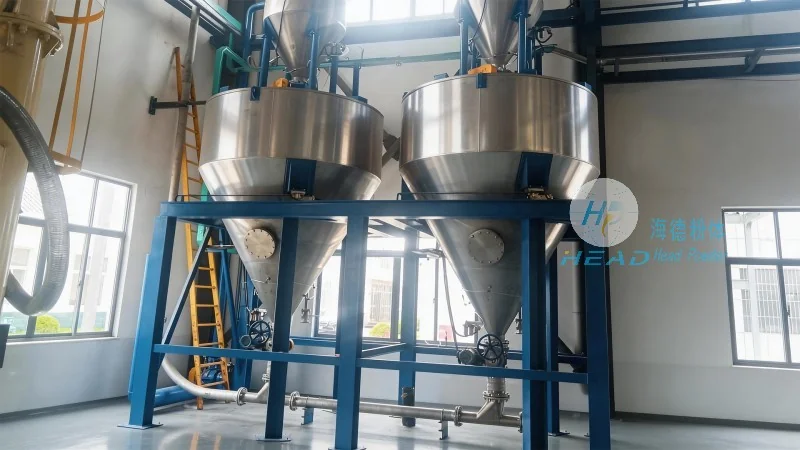
Choosing the right equipment is a pivotal step in designing a reliable fluorspar powder pneumatic conveying system. The primary components typically include a material feeder, a conveying line (such as a pipeline), a dust collector, and a control system. For fluorspar powder, which is often fine and abrasive, the material feeder must be capable of handling low bulk density materials without causing blockages or degradation. Options like rotary valves or vibratory feeders are commonly used to ensure consistent and controlled material discharge. The conveying line should be made of materials resistant to corrosion and wear, such as stainless steel or special alloys, to withstand the abrasive nature of the powder. The dust collector is essential for capturing fine particles and maintaining air quality, and it must be designed to handle the specific dust characteristics of fluorspar powder. The control system, which may include sensors for pressure, flow, and level, ensures the system operates within safe and efficient parameters.
System Layout and Installation Considerations
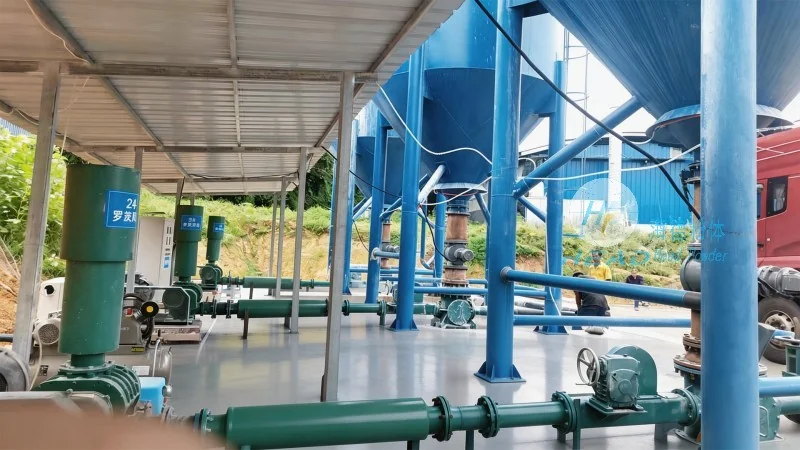
The layout of the pneumatic conveying system significantly impacts its performance and maintenance requirements. The system should be designed to minimize the number of bends and changes in direction, as excessive bends can cause pressure losses and particle deposition. The pipeline should be properly supported to prevent sagging, which could lead to blockages or damage. For vertical conveying, the height and angle of the vertical section must be optimized to maintain the necessary air velocity and prevent material settling. Additionally, the system should be installed with adequate access points for maintenance and cleaning, ensuring that components can be easily inspected and serviced. Proper grounding and electrical safety measures are also critical, especially when handling materials that may be conductive or pose other electrical hazards.
Safety and Maintenance Protocols
Ensuring the safety of personnel and the longevity of the system requires strict adherence to safety and maintenance protocols. Regular inspections of all components, including the material feeder, conveying line, and dust collector, are essential to identify and address potential issues before they escalate. Filters and other components should be replaced or cleaned as needed to maintain system efficiency and prevent dust accumulation. The control system should be programmed to detect and respond to abnormal conditions, such as pressure spikes or flow interruptions, to prevent damage to equipment or material loss. Training operators on proper system operation and emergency procedures is also vital for maintaining a safe working environment. By implementing these protocols, the system can operate reliably and efficiently over its service life.
Conclusion
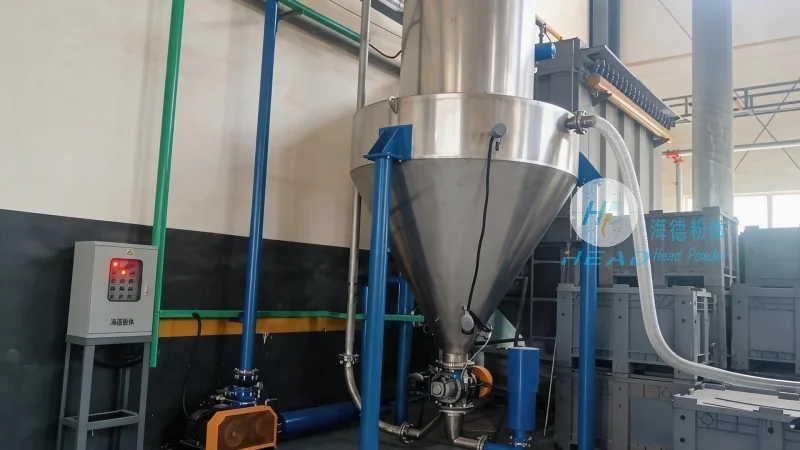
Designing a reasonable fluorspar powder pneumatic conveying system involves a comprehensive approach that considers material properties, equipment selection, system layout, and safety measures. By carefully evaluating each component and following best practices, engineers can create a system that meets production requirements while ensuring efficiency, reliability, and safety. The expertise of companies like Shandong HeadPowder Engineering Co., Ltd. can be invaluable in this process, as they offer specialized knowledge and tailored solutions for handling fluorspar powder and other similar materials.