

How to Design a Reasonable Desulfurization Gypsum Pneumatic Conveying System Plan?
For industrial facilities dealing with flue gas desulfurization, the efficient handling of gypsum byproducts is crucial. A well-designed pneumatic conveying system for desulfurization gypsum can significantly enhance operational efficiency, reduce material loss, and ensure compliance with environmental regulations. This article provides a comprehensive guide on the key considerations and steps involved in designing an optimal desulfurization gypsum pneumatic conveying system, presented by Shandong HeadPowder Engineering Co., Ltd., a leading provider in the field.
Understanding the Core Components of a Desulfurization Gypsum Pneumatic Conveying System
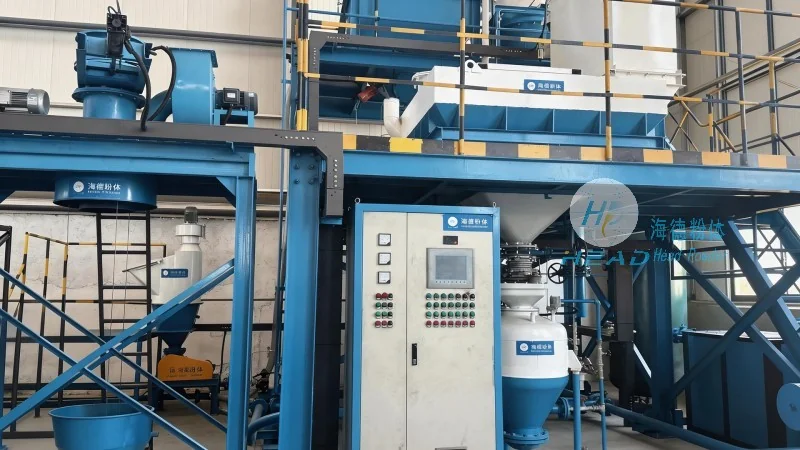
A typical desulfurization gypsum pneumatic conveying system comprises several essential components that work in tandem to transport gypsum from the storage or processing area to the disposal or utilization site. The primary components include the material feed hopper, the air compressor or blower unit, the conveying pipeline, the dust collection system, and the material discharge unit. Each component plays a critical role in ensuring the system operates smoothly and reliably. The feed hopper is responsible for storing and feeding the gypsum material into the pipeline, while the air compressor generates the necessary airflow to move the material. The conveying pipeline transports the gypsum and air mixture, and the dust collection system captures any airborne particles to prevent environmental contamination. Finally, the discharge unit delivers the gypsum to its intended destination.
Key Design Considerations for Optimal Performance
Designing a pneumatic conveying system for desulfurization gypsum requires careful consideration of several factors to ensure it meets the specific needs of the facility. First, the material properties of gypsum must be thoroughly analyzed. Gypsum is a fine, powdery material with a specific gravity and flow characteristics that can affect the system's performance. Understanding its moisture content, particle size distribution, and cohesive properties is essential for selecting the appropriate conveying method (e.g., dilute-phase or dense-phase) and equipment. Second, the system's capacity and throughput requirements must be determined based on the plant's production rate and the volume of gypsum generated. This involves calculating the required airflow rate, pipeline diameter, and pressure levels to achieve the desired material transport speed. Third, the layout and distance of the conveying line are critical factors. The system should be designed to minimize the number of bends and changes in direction, as excessive bends can cause material buildup and blockages. Additionally, the pipeline should be sized appropriately to avoid excessive pressure drop, which can reduce the system's efficiency and increase energy consumption. Fourth, the dust control measures must be integrated into the design to comply with environmental regulations and maintain a safe working environment. This includes installing efficient dust collectors, using appropriate filtration systems, and implementing proper ventilation to prevent dust accumulation in the facility.
Selection of Conveying Method: Dilute-Phase vs. Dense-Phase
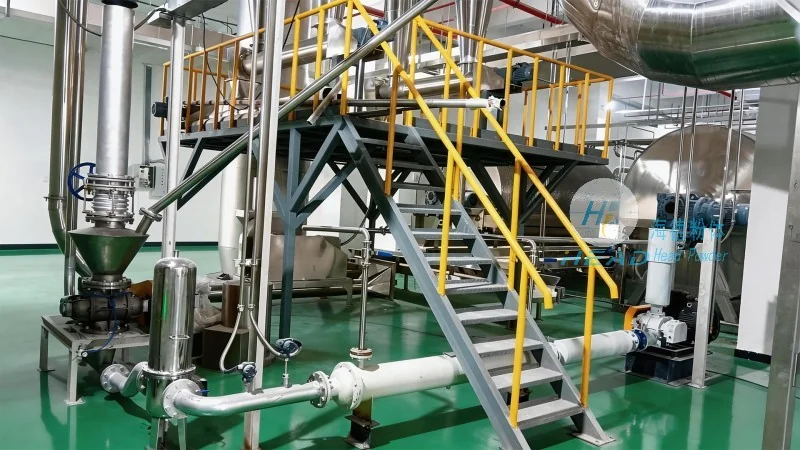
When designing a desulfurization gypsum pneumatic conveying system, the choice between dilute-phase and dense-phase conveying is a critical decision. Dilute-phase conveying involves transporting the material in a low concentration of particles suspended in the air stream, typically at velocities above 20 m/s. This method is suitable for short to medium distances and is generally more energy-efficient. However, it may not be ideal for transporting fine, cohesive materials like gypsum, as they can settle in the pipeline and cause blockages. Dense-phase conveying, on the other hand, involves transporting the material in a higher concentration of particles, often at lower velocities (around 5-15 m/s). This method is more effective for long-distance transport and can handle cohesive materials better, as the particles are more densely packed and less likely to settle. Dense-phase systems typically use a positive displacement blower or a pressure vessel to create a high-pressure air stream, which helps maintain the material in suspension. The selection of the conveying method depends on factors such as the distance between the source and destination, the material properties, and the required throughput. For most industrial applications, a combination of both methods may be used, with dilute-phase for short segments and dense-phase for longer distances.
System Integration and Control Strategies
Integrating the desulfurization gypsum pneumatic conveying system with the overall plant operations is essential for seamless and efficient material handling. The system should be designed to interface with the existing flue gas desulfurization process, ensuring that the gypsum is collected and conveyed without disrupting the main operations. This may involve connecting the system to the gypsum storage hopper or the waste disposal area directly from the desulfurization unit. Additionally, the system should be equipped with automated control systems to monitor and regulate its operation. These controls can include sensors to measure airflow, pressure, and material level, as well as valves and actuators to adjust the system's parameters in real-time. The control system should be designed to prevent overloading, prevent blockages, and ensure the system operates within safe limits. For example, if the material level in the feed hopper is too low, the system can automatically adjust the airflow to maintain the desired transport rate. Similarly, if a blockage is detected in the pipeline, the system can activate the dust collection system and alert the operators to take corrective action. The integration of advanced control strategies can significantly improve the system's reliability and reduce downtime.
Maintenance and Operational Considerations
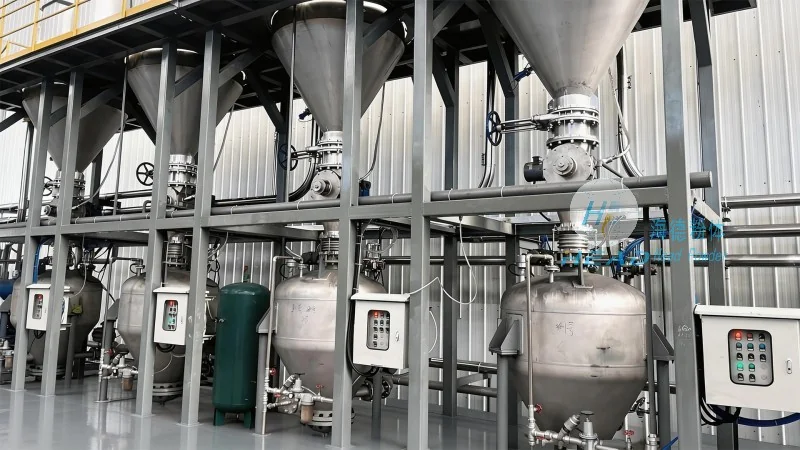
Proper maintenance and operational practices are crucial for the long-term performance and longevity of a desulfurization gypsum pneumatic conveying system. Regular maintenance should include cleaning the pipeline and components to prevent material buildup and corrosion, inspecting the air compressor and blower for wear and tear, and checking the dust collection system for efficiency. The system should be operated within its specified parameters to avoid excessive pressure or airflow, which can cause damage to the equipment and reduce its lifespan. Additionally, the operators should be trained to recognize and address common issues such as blockages, pressure drops, and air leaks. By following proper maintenance procedures and operational guidelines, the system can achieve high availability and low maintenance costs, ensuring it continues to meet the facility's material handling needs for years to come.
Conclusion: Achieving Efficient and Sustainable Gypsum Handling
Designing a reasonable desulfurization gypsum pneumatic conveying system requires a comprehensive approach that considers the material properties, system requirements, and operational constraints. By carefully selecting the appropriate components, conveying method, and control strategies, industrial facilities can achieve efficient and reliable gypsum handling, reducing material loss, energy consumption, and environmental impact. Shandong HeadPowder Engineering Co., Ltd. specializes in providing customized solutions for desulfurization gypsum pneumatic conveying systems, leveraging years of experience and expertise to deliver systems that meet the specific needs of their clients. With a focus on quality, reliability, and sustainability, HeadPowder Engineering helps facilities optimize their material handling processes and comply with environmental regulations, ensuring long-term operational success.