

Wool Conveying Methods: An Introduction to HeadPowder's Wool Pneumatic Conveying Solutions
Wool processing is a critical stage in the textile industry, where efficient material handling directly impacts production efficiency and product quality. Among various methods for transporting wool, pneumatic conveying has emerged as a preferred solution due to its ability to handle fine, dusty materials like wool with minimal contamination and loss. This article explores the different wool conveying methods available and highlights the advanced solutions offered by Shandong HeadPowder Engineering Co., Ltd., commonly known as HeadPowder, a leading provider of pneumatic conveying systems.
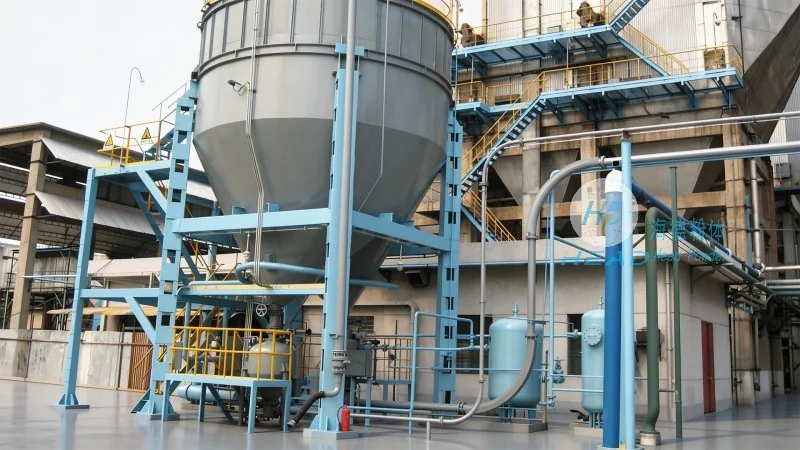
Understanding Wool Conveying: Traditional vs. Modern Approaches
Historically, wool has been transported using methods such as manual handling, belt conveyors, and bucket elevators. While these methods were once common, they present several challenges, including high labor costs, risk of contamination from dust and debris, and inefficiencies in material flow. Manual handling, for instance, is labor-intensive and prone to human error, while belt conveyors may not effectively handle the fine, lightweight nature of wool, leading to material spillage and increased maintenance needs. Bucket elevators, though capable of vertical transport, often struggle with the abrasive properties of wool fibers, causing wear and tear on components.
Introducing Pneumatic Conveying: The Advantages for Wool Handling
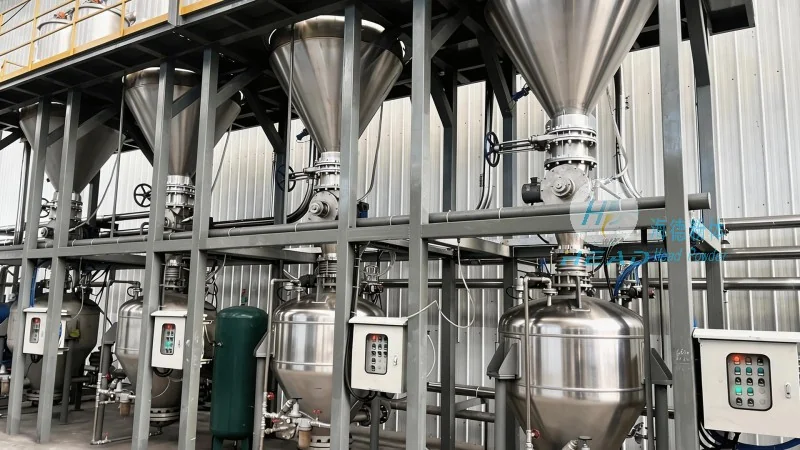
Pneumatic conveying, or air-based transport, offers a more sophisticated approach to wool handling. This method uses a pressurized or vacuum system to move wool through a network of pipes, eliminating the need for physical contact and reducing the risk of contamination. The primary advantages of pneumatic conveying for wool include: minimal material degradation, as the system uses low-velocity air to gently transport fibers without causing breakage; improved hygiene, as the enclosed system prevents exposure to external contaminants; and flexibility, allowing for horizontal, vertical, or complex path transport. Additionally, pneumatic systems can integrate with existing processing equipment, making them a versatile solution for various wool processing stages, from raw material intake to bale handling and further processing.
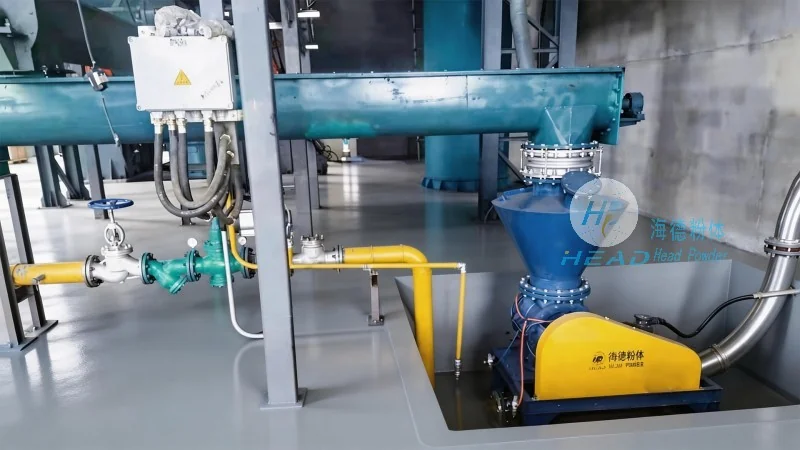
HeadPowder's Wool Pneumatic Conveying Systems: Design and Features
HeadPowder specializes in designing and manufacturing customized pneumatic conveying systems tailored to the unique needs of wool processing facilities. Their systems are engineered to handle the specific challenges of wool, such as its fine particle size, low bulk density, and tendency to generate dust. Key features of HeadPowder's wool conveying solutions include: high-efficiency air separation to prevent clogging and ensure consistent flow; robust material handling components, including specialized cyclones and filters that are resistant to wool fiber abrasion; and energy-efficient operation, optimized to minimize power consumption while maintaining performance. The company's engineers work closely with clients to assess their specific processing requirements, including the volume of wool to be handled, the distance of transport, and the desired level of automation, to develop a system that meets both operational and budgetary goals.
Customization and Integration: Tailoring Solutions for Wool Processing
Every wool processing facility has unique operational parameters, and HeadPowder recognizes the importance of customization in delivering effective conveying solutions. The company offers a range of system configurations, from simple point-to-point transport to complex multi-stage systems that integrate with baling, cleaning, and carding equipment. For example, a typical wool pneumatic conveying system might include a hopper for raw wool intake, a vacuum or pressure unit to move the material through pipes, and a collection bin at the processing end. HeadPowder's engineers consider factors such as the wool's moisture content, the presence of contaminants, and the desired output rate to design a system that optimizes material flow and reduces downtime. Additionally, the company provides maintenance and support services to ensure that the conveying system operates at peak efficiency throughout its lifespan.
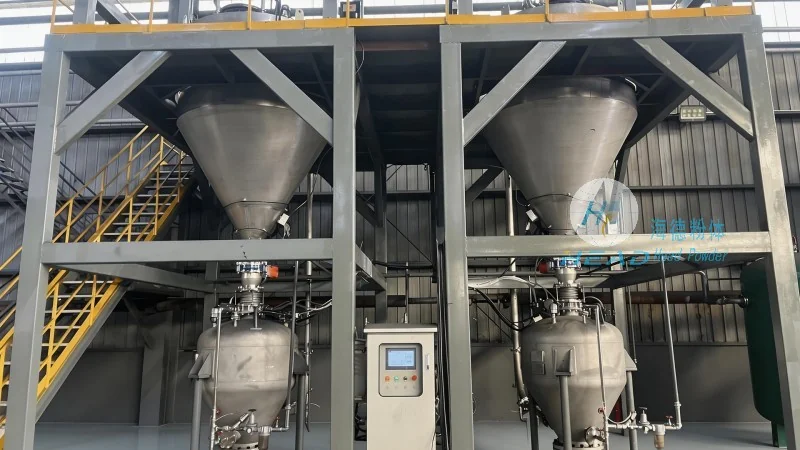
Conclusion: Enhancing Wool Processing with Advanced Conveying Technology
Efficient wool conveying is essential for maintaining the quality and consistency of wool products, and pneumatic conveying systems, as offered by HeadPowder, provide a reliable and effective solution. By leveraging advanced engineering and customization, HeadPowder's systems help wool processing facilities improve productivity, reduce labor costs, and minimize material loss. As the textile industry continues to evolve, the demand for efficient material handling solutions will remain high, and companies like HeadPowder are positioned to meet these needs with innovative and reliable technology. Whether you are a small-scale wool processor or a large industrial facility, investing in a high-quality pneumatic conveying system can significantly enhance your operational performance and contribute to long-term success in the wool industry.