

What Are the Methods of Cement Transport?
When it comes to transporting cement, there are several effective methods used in the industry. These methods are designed to ensure the material is delivered efficiently and safely to construction sites or storage facilities. Understanding the different options available helps in selecting the most suitable approach based on project requirements, distance, and logistical considerations. The choice of transport method can significantly impact the overall project timeline, cost, and the quality of the cement upon arrival at its destination.
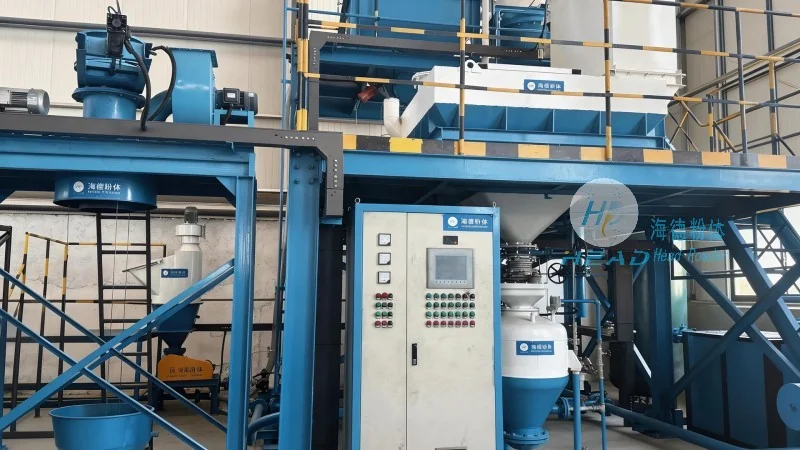
1. Pneumatic Conveying Systems
Pneumatic conveying is a widely adopted technique for transporting dry bulk materials like cement. This system operates by using compressed air to move the material through a network of pipes. The process typically begins with a hopper where cement is stored, followed by a blower that generates the necessary air pressure. The cement is then propelled through the pipes to a receiver where it is deposited. Pneumatic conveying offers several advantages, including high speed, minimal dust generation, and the ability to transport materials over long distances without the need for multiple transfer points. It is particularly effective for applications where dust control is critical and where the material needs to be moved quickly to meet project deadlines. Additionally, this method reduces the risk of material segregation and ensures consistent quality throughout the transport process.
2. Truck and Rail Transportation
Truck and rail transport are traditional and reliable methods for moving cement in bulk. Trucks equipped with specialized cement trailers are commonly used for short to medium distances, providing flexibility in logistics planning. These trailers are designed with features such as agitators and moisture control systems to maintain the cement's quality during transit. Rail transport, on the other hand, is ideal for long-distance transportation, especially when moving large quantities of cement from production plants to distant construction sites. Railcars are often equipped with insulated containers to protect the cement from temperature fluctuations and ensure consistent quality. Both truck and rail options are widely used in the industry, offering cost-effective solutions for bulk cement delivery. The choice between truck and rail often depends on factors such as distance, volume, and the availability of infrastructure at the project site.
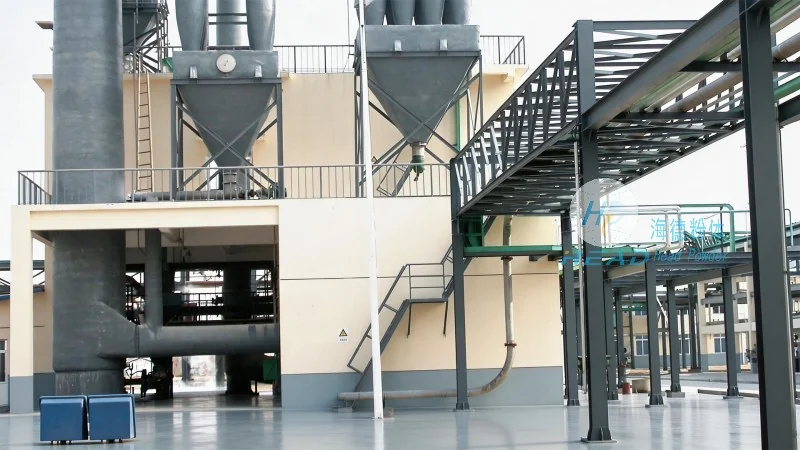
3. Bulk Tankers and Silos
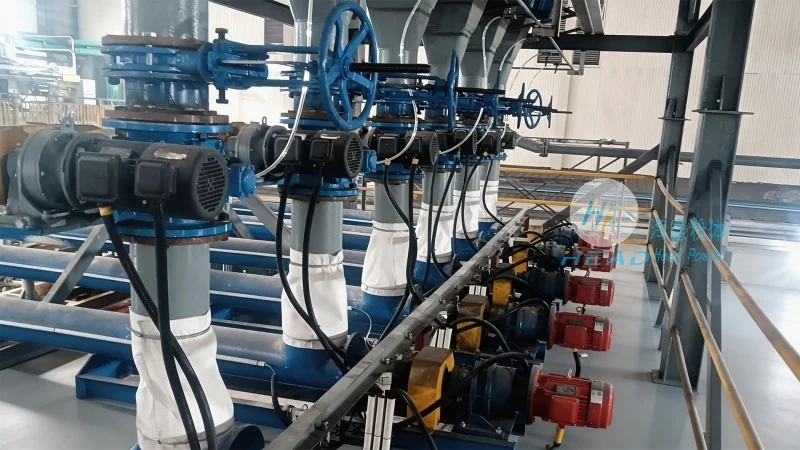
Bulk tankers and silos play a crucial role in cement storage and distribution. Bulk tankers are large vehicles that carry cement in bulk, typically used for on-site storage at construction projects. They allow for easy access to the material and can be connected to mixing equipment directly, facilitating immediate use. Silos, both on-site and at distribution centers, provide long-term storage solutions. Silos are designed to maintain the cement's consistency and prevent moisture ingress, which could affect its performance. The use of bulk tankers and silos ensures that cement is available when needed, supporting continuous construction operations without interruptions. These storage solutions also help in managing inventory levels, reducing waste, and optimizing supply chain efficiency.
4. Specialized Handling Equipment
Specialized handling equipment, such as conveyor belts and bucket elevators, is used in industrial settings to move cement from storage areas to processing or packaging units. Conveyor belts are efficient for horizontal and slight incline movements, while bucket elevators are ideal for vertical transport. These systems are often integrated into larger production lines, ensuring a smooth flow of material from raw materials to finished products. The use of specialized equipment minimizes manual handling, reduces labor costs, and improves safety in the workplace. It also helps in maintaining the quality of the cement by preventing contamination and ensuring consistent handling throughout the process. Additionally, automated handling systems can enhance operational efficiency and reduce the risk of human error, contributing to higher productivity in cement production and distribution.
5. Environmental and Safety Considerations
When selecting a cement transport method, environmental and safety considerations are paramount. Pneumatic conveying systems, for example, generate less dust compared to traditional trucking, reducing the impact on air quality and minimizing the risk of respiratory issues for workers. Rail transport is also more environmentally friendly as it emits fewer greenhouse gases per ton-mile compared to trucks. Safety measures, such as proper ventilation in pneumatic systems and secure loading procedures in truck and rail transport, are essential to protect personnel and prevent accidents. Companies like Shandong HeadPowder Engineering Co., Ltd., based in China, specialize in providing advanced transport solutions that address these concerns, ensuring compliance with industry standards and environmental regulations.

Conclusion
In conclusion, the methods of cement transport vary based on the specific needs of a project. Pneumatic conveying offers speed and efficiency, while truck and rail transport provide reliability for bulk delivery. Bulk tankers and silos ensure consistent storage and availability, and specialized handling equipment supports seamless integration into production lines. By considering factors such as distance, volume, and environmental impact, project managers can choose the most appropriate transport method to optimize costs and ensure the quality of cement delivery. The expertise of companies like Shandong HeadPowder Engineering Co., Ltd. is vital in implementing these transport solutions effectively, supporting the construction industry's demands for efficient and sustainable cement supply.