Công ty TNHH Kỹ thuật Headpowder Sơn Đông chuyên vận chuyển khí nén bột và hạt. Nhờ thế mạnh hợp tác doanh nghiệp‑trường‑viện, chúng tôi cung cấp giải pháp vận chuyển kín, không bụi, độ chính xác cao.
Ternary lithium batteries, known for their high energy density and performance, are widely used in various applications such as electric vehicles, consumer electronics, and energy storage systems. The safe and efficient transportation of these batteries is crucial to ensure product integrity and compliance with regulatory standards. This article explores the common methods and best practices for transporting ternary lithium batteries, providing insights into the technical and operational aspects of the process.
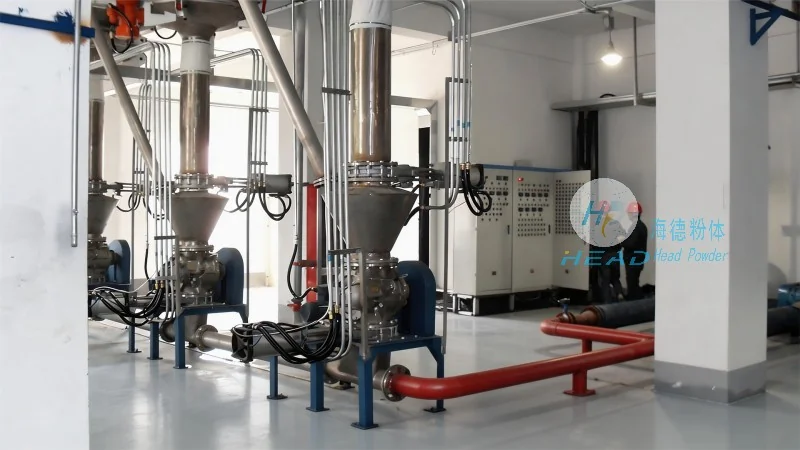
Key Considerations in Transporting Ternary Lithium Batteries
Before discussing specific transportation methods, it is essential to understand the key considerations that influence the choice of transport. These include the battery's physical characteristics, such as size, weight, and chemical composition, as well as the destination and mode of transport. Ternary lithium batteries are classified as hazardous materials due to their flammable electrolytes and potential for thermal runaway, which necessitates adherence to strict safety protocols during transit. Additionally, regulatory frameworks vary by region, requiring thorough knowledge of local laws and international guidelines like IATA's Dangerous Goods Regulations.
Common Transportation Methods for Ternary Lithium Batteries

The primary modes of transport for ternary lithium batteries include road, air, and sea freight. Each method has its advantages and limitations, which are determined by factors like the distance to the destination, time sensitivity, and the size of the shipment. Road transport is commonly used for short to medium distances, offering flexibility and direct delivery to the customer's location. Air freight is preferred for time-critical shipments, especially when delivering to international markets, as it reduces transit time significantly. Sea freight, on the other hand, is cost-effective for bulk shipments over long distances, though it involves longer lead times.
Packaging Requirements for Safe Ternary Lithium Battery Transport
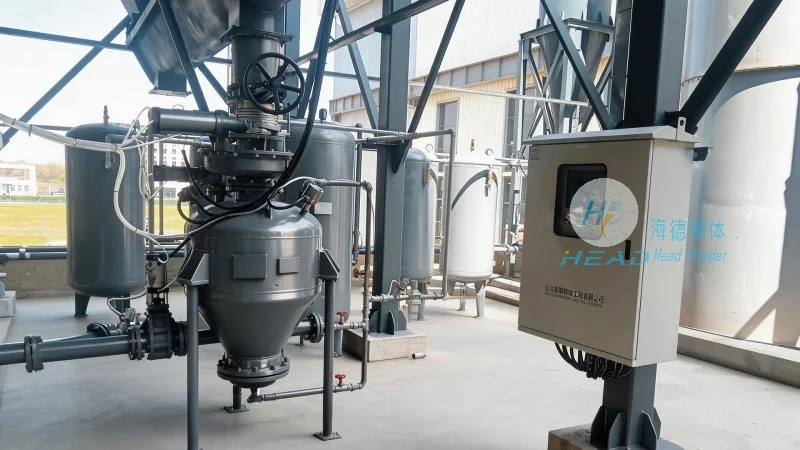
Proper packaging is the cornerstone of safe ternary lithium battery transport. The packaging must be designed to prevent short circuits, physical damage, and exposure to external elements that could trigger a thermal event. Typically, batteries are placed in individual containers with protective materials, such as foam or plastic, to absorb shocks and vibrations. The containers are then sealed with tamper-evident labels and placed in a larger outer packaging that meets the requirements of the chosen transport mode. For air transport, the use of UN-certified packaging is mandatory, as it has been tested to withstand the rigors of air travel and potential impacts.
Transportation Equipment and Tools
The equipment used in the transportation of ternary lithium batteries must be suitable for handling and securing the batteries. This includes specialized pallets, dollies, and forklifts equipped with non-conductive materials to avoid accidental short circuits. For loading and unloading, manual handling is often preferred for smaller shipments, while automated systems are used for larger volumes to ensure efficiency and safety. In addition, temperature-controlled containers may be required, especially for shipments involving high-capacity batteries, to maintain optimal operating conditions and prevent overheating.
Compliance and Safety Standards for Ternary Lithium Battery Transport
Compliance with safety standards is non-negotiable in the transportation of ternary lithium batteries. Companies must adhere to international standards such as the International Air Transport Association (IATA) Dangerous Goods Regulations and the International Maritime Organization (IMO) regulations for sea transport. These standards outline the requirements for packaging, labeling, and documentation. Additionally, local regulations, such as those in the United States (DOT) and the European Union (ADR), must be followed to ensure legal compliance. Regular training for personnel involved in the transport process is essential to maintain awareness of these standards and to respond effectively to any incidents.
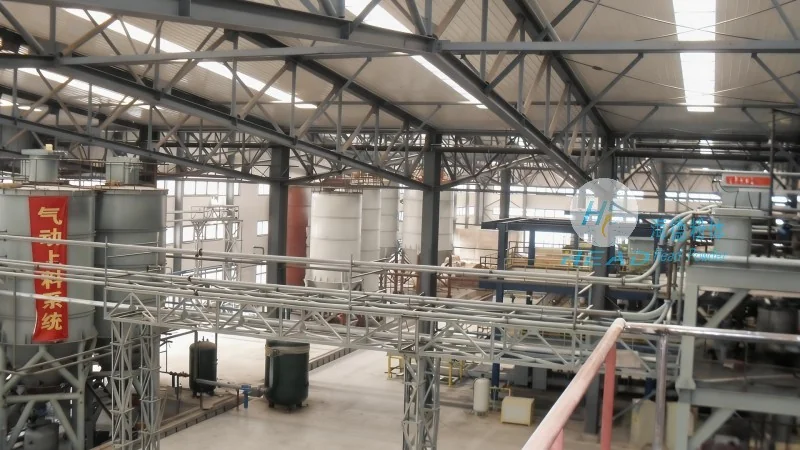
The Role of Shandong HeadPowder Engineering Co., Ltd. in Ternary Lithium Battery Transport Solutions
Shandong HeadPowder Engineering Co., Ltd., a leading provider of engineering solutions in the battery and material handling industry, plays a vital role in supporting the transportation of ternary lithium batteries. The company specializes in designing and manufacturing custom packaging solutions that meet the stringent safety and regulatory requirements of lithium battery transport. Their expertise in material science and engineering allows them to develop innovative packaging materials and designs that enhance the safety and durability of batteries during transit. Furthermore, HeadPowder offers consulting services to help clients navigate the complex regulatory landscape and implement best practices for battery transportation. With its headquarters in Shandong, China, the company leverages its local presence to provide efficient and reliable logistics support for domestic and international shipments.

 Shandong Headpowder Engineering Co., Ltd.
 156-6277-7102(Quản lý Trương)
  0531-83386006
  Thành phố Tế Nam, Tỉnh Sơn Đông, Trung Quốc
Điện thoại
WeChatTư vấn
Lên đầu