

Methods of Thermoplastic Polyurethane (TPU) Conveying
Thermoplastic polyurethane (TPU) is a versatile polymer widely used in various industrial applications due to its excellent flexibility, abrasion resistance, and chemical stability. The efficient and reliable conveying of TPU materials is crucial for maintaining production efficiency and product quality in manufacturing processes. There are several methods employed for TPU conveying, each with its own advantages and specific applications.
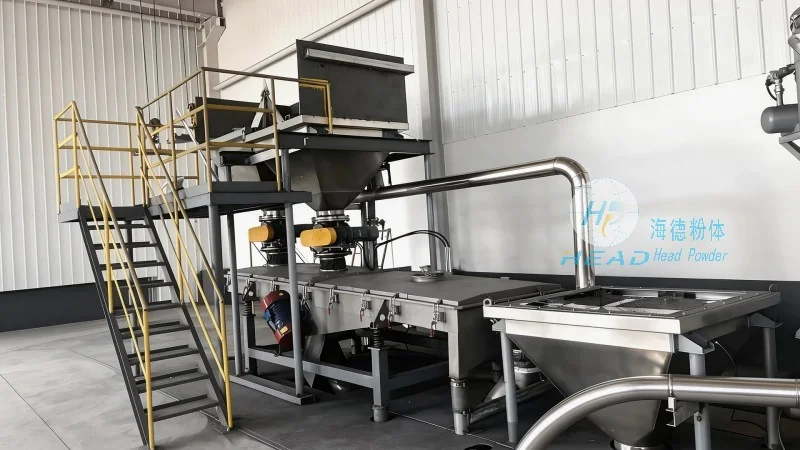
Overview of TPU Conveying Methods
Before delving into specific techniques, it's important to understand the key factors that influence the choice of conveying method for TPU. These factors include material properties such as particle size, moisture content, bulk density, and flow characteristics, as well as the scale of the operation, environmental considerations, and the desired level of automation. The selection of an appropriate conveying system ensures that TPU is handled safely and effectively throughout the production line.
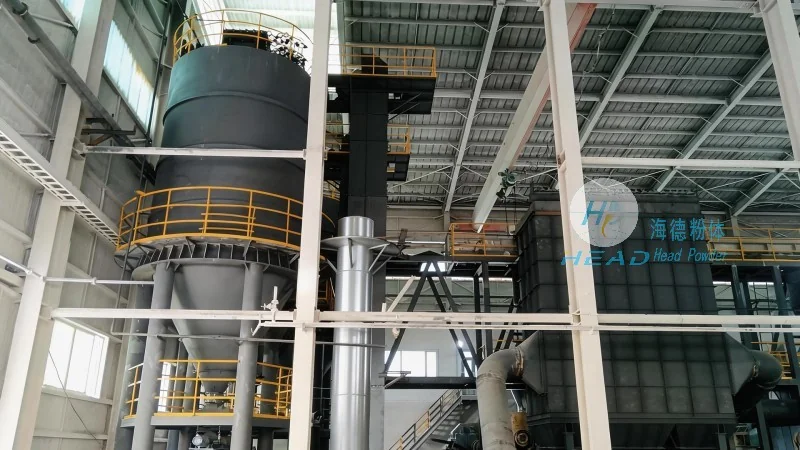
1. Mechanical Conveying Systems
Mechanical conveying systems are among the most common methods for transporting TPU materials. These systems utilize mechanical components to move the material from one location to another. The primary types of mechanical conveyors used for TPU include belt conveyors, screw conveyors, and bucket elevators. Belt conveyors are particularly effective for transporting TPU pellets or granules over short to medium distances, offering high capacity and low maintenance requirements. Screw conveyors, also known as auger conveyors, are ideal for vertical or inclined transport of TPU, as they can handle a wide range of bulk densities and flow rates. Bucket elevators are used for vertical lifting of TPU, providing a reliable solution for applications where vertical transport is necessary. HeadPowder, as a leading manufacturer in the field, offers a range of mechanical conveying solutions tailored to meet the specific needs of TPU processing plants.
2. Air-Flow Conveying Systems
Air-flow or pneumatic conveying systems are another popular method for TPU conveying, especially in applications where dust control and contamination prevention are critical. These systems use compressed air to transport TPU particles through a pipeline. There are two main types of pneumatic conveying: dilute-phase and dense-phase. Dilute-phase systems are suitable for transporting TPU over longer distances at higher speeds, while dense-phase systems are used for short-distance transport of bulk materials with lower air velocities. Pneumatic conveying offers advantages such as minimal product degradation, easy integration with existing processing equipment, and the ability to handle fine or abrasive TPU particles. HeadPowder specializes in designing and manufacturing pneumatic conveying systems that ensure efficient and safe transport of TPU, minimizing the risk of material loss or contamination.
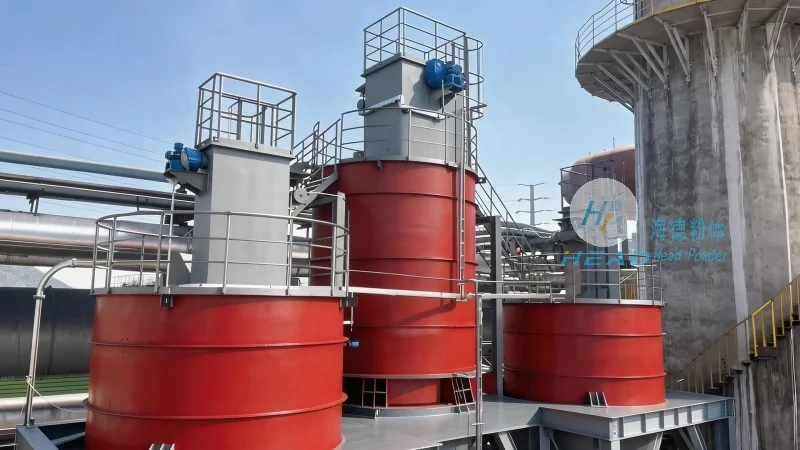
3. Gravity Conveying Systems
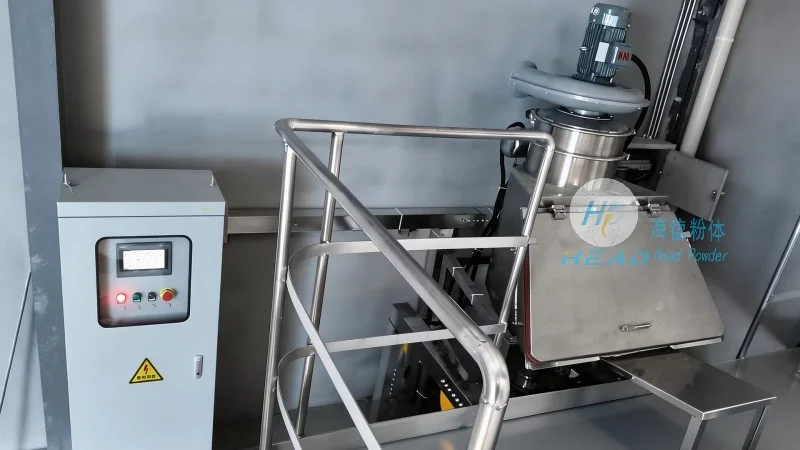
Gravity conveying systems rely on the natural force of gravity to move TPU materials from higher to lower elevations. These systems are typically used in applications where the material can be transported over short distances with minimal change in elevation. Gravity chutes or hoppers are common components of gravity conveying systems, allowing TPU to flow freely under the influence of gravity. This method is simple, low-cost, and requires minimal maintenance, making it suitable for small-scale TPU processing operations. However, gravity conveying is limited by the need for a suitable slope and the ability of the material to flow without excessive resistance. HeadPowder provides gravity conveying solutions that optimize the flow characteristics of TPU, ensuring smooth and efficient transport in various industrial settings.
4. Combination Conveying Systems
In many industrial applications, a single conveying method may not be sufficient to meet all the requirements of TPU transport. Therefore, combination conveying systems are often employed, integrating multiple types of conveyors to achieve optimal performance. For example, a system might combine a mechanical conveyor for initial transport with a pneumatic conveyor for final delivery to a processing unit. This approach allows for flexibility and adaptability, enabling the handling of different TPU products with varying properties. HeadPowder's expertise lies in designing integrated conveying systems that combine the strengths of mechanical, pneumatic, and gravity methods, ensuring efficient and reliable TPU transport throughout the production process.