

Common Nitrile Rubber Conveying Methods: A Comparison
When it comes to handling nitrile rubber in industrial applications, selecting the right conveying method is crucial for efficiency, material integrity, and operational safety. Nitrile rubber, known for its excellent resistance to oil, fuel, and chemicals, is widely used in automotive, aerospace, and manufacturing sectors. However, the diverse properties of this material demand specialized conveying solutions to prevent degradation and ensure smooth material flow. This article provides a detailed comparison of common nitrile rubber conveying methods, highlighting their advantages, limitations, and ideal applications.
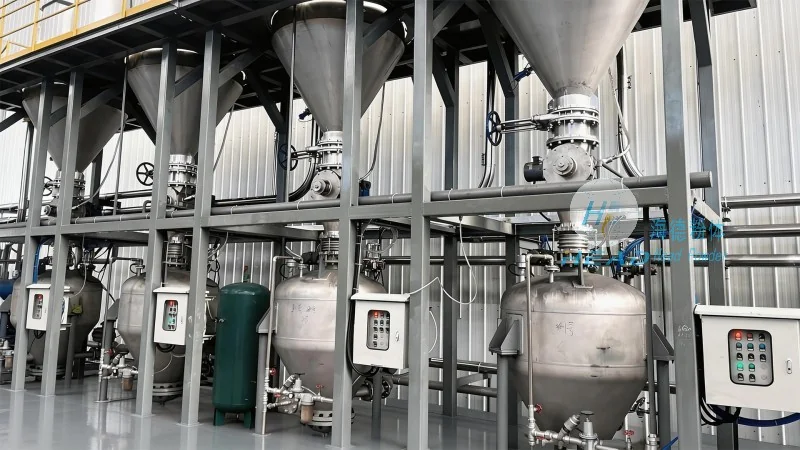
Pneumatic Conveying Systems: The Air-Powered Solution
Pneumatic conveying systems utilize compressed air or gas to transport nitrile rubber particles or granules through a network of pipes. This method is particularly effective for handling fine powders or small granules, as it minimizes material degradation and contamination. The primary types of pneumatic conveyors include dilute-phase and dense-phase systems. Dilute-phase systems use high-velocity air to move material in a suspended state, while dense-phase systems operate at lower velocities, ensuring a more controlled and gentle transport. For nitrile rubber, which can be sensitive to friction and heat, dense-phase pneumatic conveying is often preferred to maintain material quality. The system typically consists of a hopper, a rotary airlock valve, a conveyor line, and a receiver. Compressed air is supplied by a blower or compressor, and the material is drawn into the system through the hopper. The rotary airlock valve prevents backflow and ensures a steady flow rate. The conveyor line may include bends and vertical sections, which are designed to minimize pressure loss and maintain material velocity. The receiver collects the material at the end of the line. Pneumatic conveying offers several advantages, including the ability to transport materials over long distances, the flexibility to handle multiple material types, and the option to integrate with other processing equipment. However, it also has limitations, such as the need for proper air filtration to prevent dust accumulation and the potential for material degradation if the system is not properly maintained. Additionally, the initial investment and energy costs can be higher compared to mechanical systems.
Mechanical Conveying Systems: Belt and Screw Conveyors
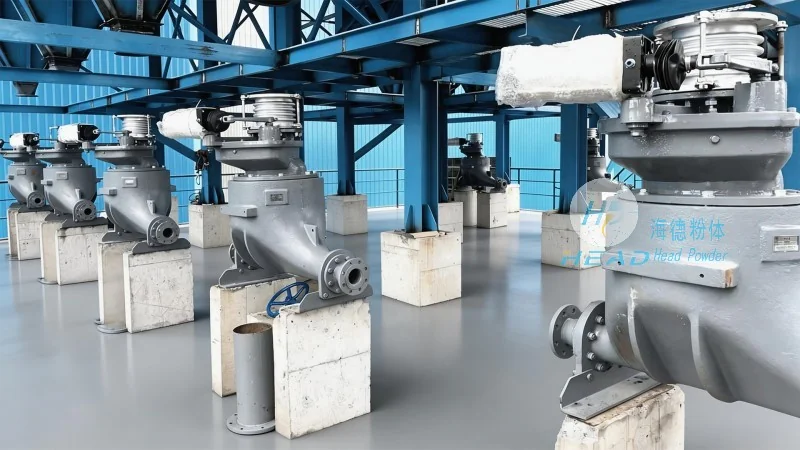
Mechanical conveying systems rely on mechanical components to move nitrile rubber. The most common types are belt conveyors and screw conveyors. Belt conveyors use a continuous belt that moves over rollers or pulleys to transport material horizontally or at a slight incline. This method is ideal for transporting larger pieces or bulk nitrile rubber, as it can handle higher material loads. The belt is typically made of a durable material, such as rubber or synthetic fabric, to prevent material slippage and wear. The conveyor may include idlers, which support the belt and reduce friction, and a drive system to move the belt at a consistent speed. For nitrile rubber, which can be abrasive, the belt and idlers are often coated or made of materials that resist wear and tear. Screw conveyors, also known as auger conveyors, use a rotating screw to push material forward through a tube or trough. This method is suitable for handling granular or powdery nitrile rubber and can operate in both horizontal and vertical orientations. The screw is made of a corrosion-resistant material, such as stainless steel or rubber-coated steel, to prevent material adhesion and ensure smooth material flow. The trough or tube is designed to contain the material and prevent spillage. Mechanical conveying systems offer advantages such as low energy consumption, simple maintenance, and the ability to handle high material volumes. However, they may not be suitable for fine powders, as the material can accumulate on the conveyor surface and cause blockages. Additionally, the system may generate more noise and vibration compared to pneumatic systems.
Hydraulic Conveying Systems: Fluid Power for Nitrile Rubber Handling
Hydraulic conveying systems use hydraulic fluid to transport nitrile rubber, typically in a slurry form. This method is commonly used for handling wet or sticky nitrile rubber, such as rubber compounds or latex. The system consists of a pump, a hydraulic cylinder, and a pipeline. The pump pressurizes the hydraulic fluid, which is then mixed with the nitrile rubber to form a slurry. The slurry is transported through the pipeline to the processing equipment. The hydraulic cylinder may be used to control the flow rate or to apply pressure to the material. Hydraulic conveying offers the advantage of being able to handle high-viscosity materials and to transport materials over long distances with minimal pressure loss. However, it requires a reliable hydraulic power source and proper filtration to prevent fluid contamination. The system also needs regular maintenance to ensure the hydraulic components are in good working condition. Additionally, the initial cost of a hydraulic system can be higher compared to pneumatic or mechanical systems.
Comparative Analysis: Choosing the Right Conveying Method for Nitrile Rubber
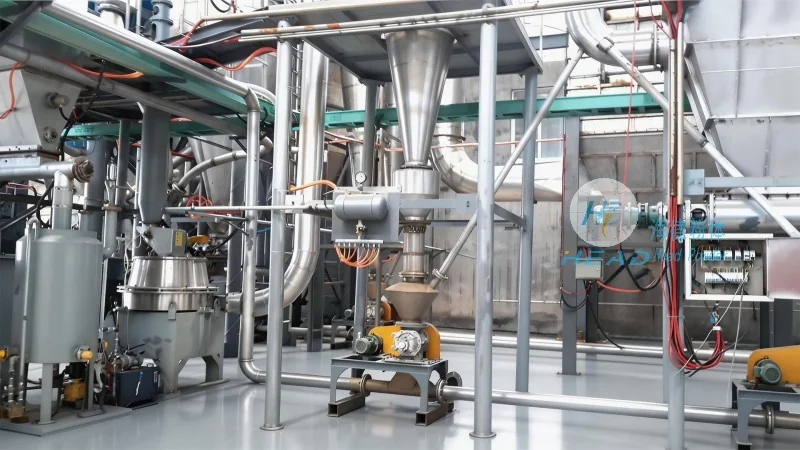
When selecting a conveying method for nitrile rubber, several factors must be considered, including the material's properties, the required transport distance, the material volume, and the operational environment. Pneumatic conveying is ideal for fine powders and when long-distance transport is needed, while mechanical systems are better for bulk materials and when low maintenance is required. Hydraulic systems are suitable for wet or high-viscosity nitrile rubber. The choice of system also depends on the available space, energy costs, and the need for material cleanliness. For example, in automotive manufacturing, where nitrile rubber is used for seals and gaskets, pneumatic conveying may be preferred to maintain material purity and prevent contamination. In contrast, in rubber processing plants, where large quantities of bulk nitrile rubber are handled, mechanical belt conveyors may be more cost-effective. It is also important to consider the environmental impact of the system, such as dust emissions for pneumatic systems and noise levels for mechanical systems. By carefully evaluating these factors, manufacturers can select the most appropriate conveying method to ensure efficient and reliable nitrile rubber handling.
Conclusion: Optimizing Nitrile Rubber Conveying with HeadPowder Engineering
Choosing the right nitrile rubber conveying method is essential for optimizing industrial processes and ensuring product quality. Whether using pneumatic, mechanical, or hydraulic systems, the key is to match the system to the material's properties and the operational requirements. Shandong HeadPowder Engineering Co., Ltd., a leading provider of engineering solutions, specializes in designing and manufacturing customized conveying systems for nitrile rubber and other industrial materials. With years of experience in the industry, HeadPowder Engineering understands the unique challenges of handling nitrile rubber and provides tailored solutions to meet specific needs. The company's expertise in material handling and process optimization ensures that clients can achieve efficient, reliable, and cost-effective nitrile rubber conveying. By partnering with HeadPowder Engineering, manufacturers can enhance their production processes and improve overall operational performance.