

Comparison of Common Phosphorus Pentachloride Transportation Methods: Advantages and Disadvantages
Shandong HeadPowder Engineering Co., Ltd., a leading provider of chemical processing solutions, specializes in the safe and efficient transportation of hazardous chemicals like phosphorus pentachloride. With headquarters in Shandong, China, the company leverages advanced technology and expertise to deliver tailored transportation solutions that meet the unique needs of industrial clients. This article explores common PCl₅ transportation methods, analyzing their advantages and disadvantages to assist operators in making informed decisions.
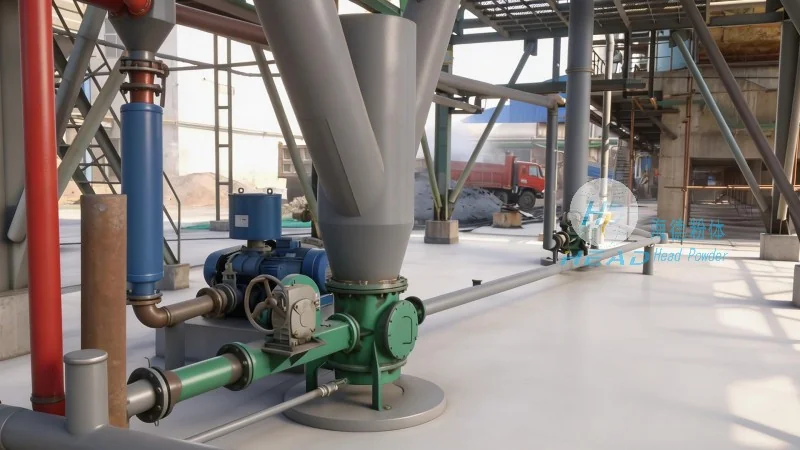
Overview of Phosphorus Pentachloride
Phosphorus pentachloride (PCl₅) is a highly reactive and corrosive chemical compound widely used in industrial applications such as organic synthesis, pharmaceutical production, and chemical manufacturing. Due to its hazardous nature, the transportation of PCl₅ requires specialized equipment and adherence to strict safety protocols. This article provides a comprehensive comparison of common PCl₅ transportation methods, analyzing their advantages and disadvantages to help industrial operators select the most suitable option for their needs.
Common Phosphorus Pentachloride Transportation Methods
Pipeline Transportation
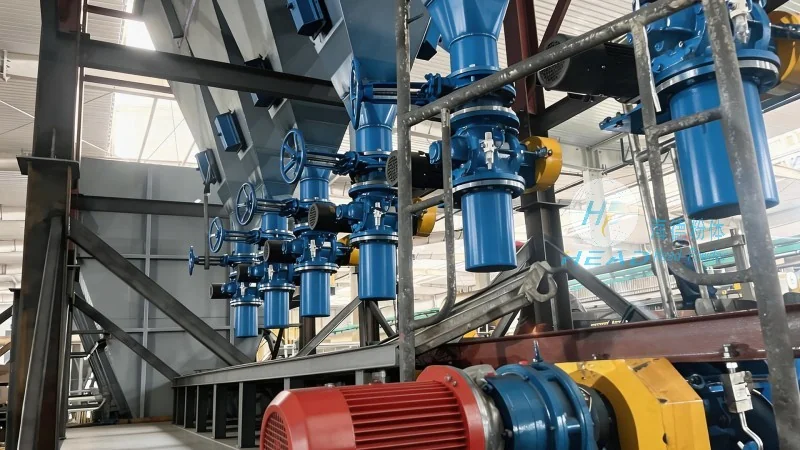
Pipeline transportation is a common method for moving PCl₅ from production facilities to processing plants or storage sites. This method involves pumping the liquid PCl₅ through insulated and corrosion-resistant pipelines. The primary advantage of pipeline transport is its efficiency and continuous operation, which minimizes handling and reduces the risk of spills. Additionally, pipelines can be designed with multiple valves and monitoring systems to ensure safe flow control. However, the installation and maintenance of pipelines require significant capital investment and specialized expertise. Moreover, pipeline systems are limited by the existing infrastructure and cannot be easily expanded to new locations.
Truck Tanker Transportation
Truck tanker transport is another widely used method for PCl₅ transportation, particularly for short to medium distances. Tankers are typically made of stainless steel or lined with corrosion-resistant materials to prevent chemical degradation. The main advantage of this method is its flexibility, as trucks can reach remote or off-site locations that are not connected by pipelines. It also allows for on-demand delivery, providing greater operational flexibility. However, truck transport involves higher labor costs and potential exposure to road hazards. Furthermore, the risk of accidents, such as spills or leaks, is higher compared to pipeline systems due to the movement of vehicles on public roads.
Containerized Transportation
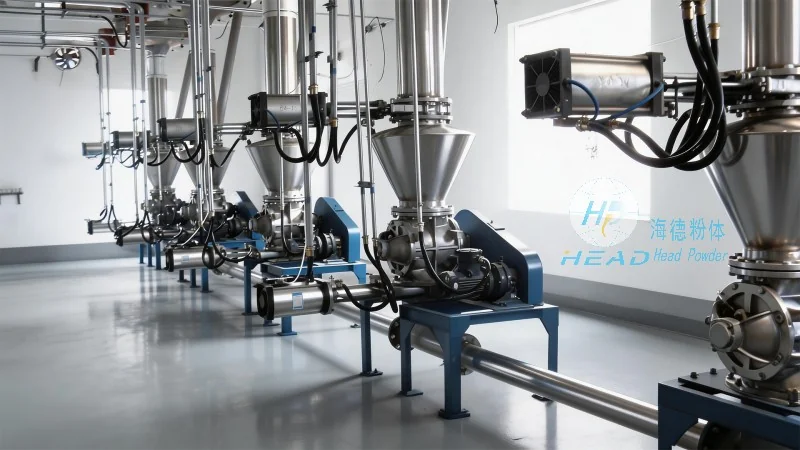
Containerized transportation, including tank containers and bulk containers, is suitable for both liquid and solid forms of PCl₅. Tank containers are large, cylindrical vessels designed to carry hazardous chemicals and are often equipped with pressure relief valves and temperature monitoring systems. The primary advantage of this method is its versatility, as containers can be transported by truck, rail, or sea, providing multiple options for long-distance transport. Additionally, containers can be stored at designated facilities until needed, offering flexibility in scheduling. However, containerized transport involves higher costs for packaging and handling, and the risk of damage during transit is higher compared to pipeline systems. Moreover, the capacity of containers is limited, which may require more shipments for large quantities.
Specialized Handling and Safety Measures
Regardless of the transportation method chosen, specialized handling and safety measures are critical to prevent accidents and ensure compliance with regulations. All transportation equipment must be inspected regularly for leaks, corrosion, and structural integrity. Personnel involved in PCl₅ handling must be trained in proper safety procedures, including the use of personal protective equipment (PPE) and emergency response protocols. Additionally, transportation must adhere to local and international regulations, such as the United Nations Recommendations on the Transport of Dangerous Goods (UN TDG) and the U.S. Department of Transportation (DOT) hazardous materials regulations.
Conclusion
Choosing the appropriate PCl₅ transportation method depends on various factors, including distance, infrastructure availability, cost considerations, and safety requirements. Pipeline transportation offers efficiency and continuous operation but requires significant investment. Truck tanker transport provides flexibility and on-demand delivery but involves higher risks. Containerized transport offers versatility and multiple transport options but has higher costs and potential for damage. Ultimately, the selection of a transportation method should be based on a thorough analysis of operational needs and safety considerations to ensure the safe and reliable delivery of phosphorus pentachloride.