Công ty TNHH Kỹ thuật Headpowder Sơn Đông chuyên vận chuyển khí nén bột và hạt. Nhờ thế mạnh hợp tác doanh nghiệp‑trường‑viện, chúng tôi cung cấp giải pháp vận chuyển kín, không bụi, độ chính xác cao.
When it comes to transporting corn flour, selecting the right method is crucial for efficiency, cost-effectiveness, and product quality. Various options exist, each with its own set of advantages and considerations. Understanding these different approaches helps businesses make informed decisions tailored to their specific operational needs.
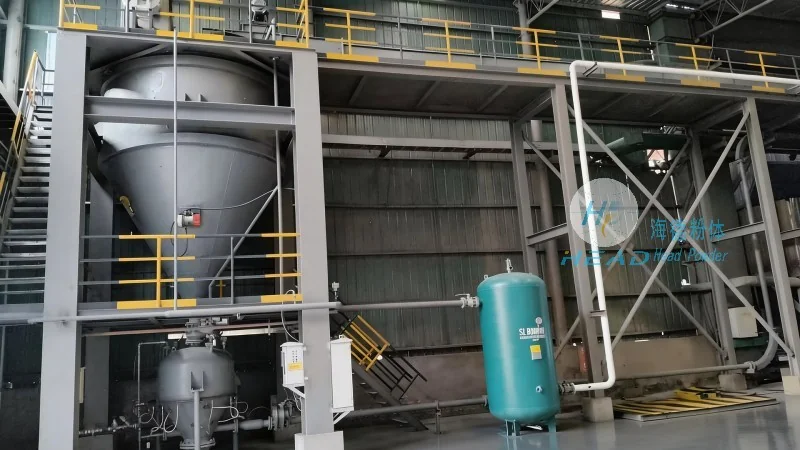
Pneumatic Conveying: A Leading Solution for Corn Flour Transport
Among the available corn flour conveying methods, pneumatic conveying stands out as a highly effective and versatile solution. This technology utilizes air to move corn flour through a system of pipes and components, offering several key benefits that make it a preferred choice for many industries. The process involves creating a pressure differential, either by suction or pressure, to transport the material. This method is particularly suitable for handling fine powders like corn flour, which can be challenging with traditional mechanical systems.
Key Advantages of Pneumatic Conveying for Corn Flour
One of the primary advantages of pneumatic conveying for corn flour is its ability to handle fine, dusty materials without the need for additional equipment like buckets or belts. This reduces the risk of product contamination and ensures a cleaner, more hygienic process. Additionally, pneumatic systems can transport corn flour over longer distances with minimal loss, making them ideal for large-scale operations. The flexibility of these systems allows for easy integration into existing production lines, and they can be customized to accommodate varying flow rates and material characteristics. Another significant benefit is the reduced maintenance requirements compared to mechanical conveyors, as there are fewer moving parts that can wear out or require frequent servicing.
Features and Technical Aspects of Pneumatic Conveying Systems
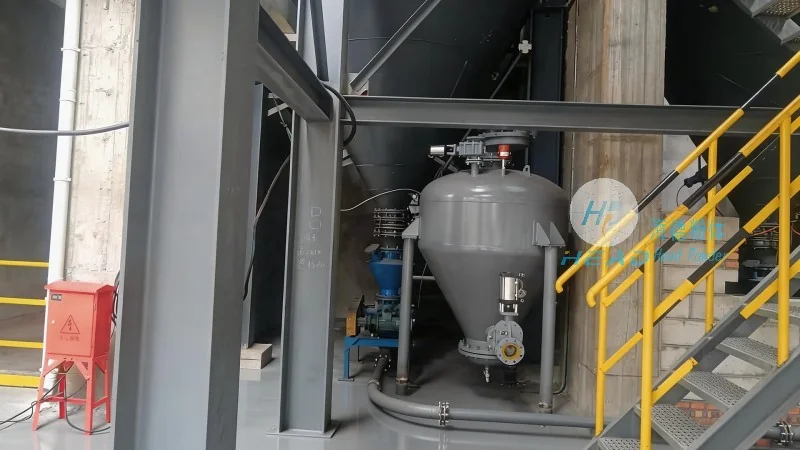
Pneumatic conveying systems for corn flour typically consist of several key components, including a hopper for material storage, a conveyor line with appropriate pipe diameters and bends, and a dust collector or filter to manage air and particulate matter. The system operates by drawing air through the material, creating a flow that transports the corn flour to the desired destination. This process can be either positive pressure (where air is forced through the system) or negative pressure (where air is drawn out, creating a vacuum). The choice between these two depends on factors such as the distance to be covered and the nature of the material being conveyed. For corn flour, negative pressure systems are often preferred as they can handle fine powders more effectively and minimize dust dispersion in the environment.
Applications and Industries Benefiting from Pneumatic Conveying
The versatility of pneumatic conveying makes it suitable for a wide range of applications involving corn flour. In the food processing industry, it is commonly used in flour mills, bakeries, and snack food production facilities to move corn flour from storage to processing equipment. The pharmaceutical and chemical sectors also utilize this technology for handling corn flour-based ingredients, ensuring compliance with stringent quality and safety standards. Additionally, in the agricultural and feed manufacturing industries, pneumatic systems are employed to transport corn flour for animal feed production, contributing to efficient and cost-effective operations.
Company Overview: Shandong HeadPowder Engineering Co., Ltd.

Shandong HeadPowder Engineering Co., Ltd., operating under the brand name HeadPowder, is a leading provider of specialized conveying solutions for industries dealing with fine powders like corn flour. With a focus on innovation and customer-centric design, the company has established itself as a trusted partner in the field of material handling. HeadPowder's expertise lies in developing and manufacturing high-quality pneumatic conveying systems tailored to the unique needs of each client. The company's commitment to quality, reliability, and efficiency has earned it a reputation for delivering solutions that enhance operational performance and reduce costs for its customers.
Conclusion: Choosing the Right Conveying Method for Corn Flour
When evaluating corn flour conveying methods, businesses must consider factors such as material characteristics, distance, operational requirements, and cost. While traditional mechanical systems may be suitable for some applications, pneumatic conveying offers significant advantages in terms of efficiency, hygiene, and flexibility. By understanding the features and benefits of different conveying technologies, companies can make informed decisions that optimize their production processes and ensure consistent product quality. For those seeking reliable and effective solutions for corn flour transport, pneumatic conveying, particularly with advanced systems from HeadPowder, represents a superior choice.

 Shandong Headpowder Engineering Co., Ltd.
 156-6277-7102(Quản lý Trương)
  0531-83386006
  Thành phố Tế Nam, Tỉnh Sơn Đông, Trung Quốc
Điện thoại
WeChatTư vấn
Lên đầu