

How to Choose the Right Pneumatic Conveying System for Your Sintered Ash Handling Process?
For industrial facilities dealing with sintered ash, selecting an appropriate pneumatic conveying system is crucial for ensuring efficient material handling, minimizing downtime, and maintaining operational safety. Sintered ash, a byproduct from the sintering process in industries such as steel production and metallurgy, poses unique challenges when it comes to transportation due to its properties like particle size, moisture content, and abrasive nature. A well-designed pneumatic conveying system not only addresses these challenges but also enhances overall process efficiency and reduces maintenance costs. This article aims to guide you through the key considerations and steps to select the most suitable pneumatic conveying system for your sintered ash handling operations, with insights from Shandong HeadPowder Engineering Co., Ltd., a leading provider in the field.
Understanding the Challenges of Sintered Ash Handling
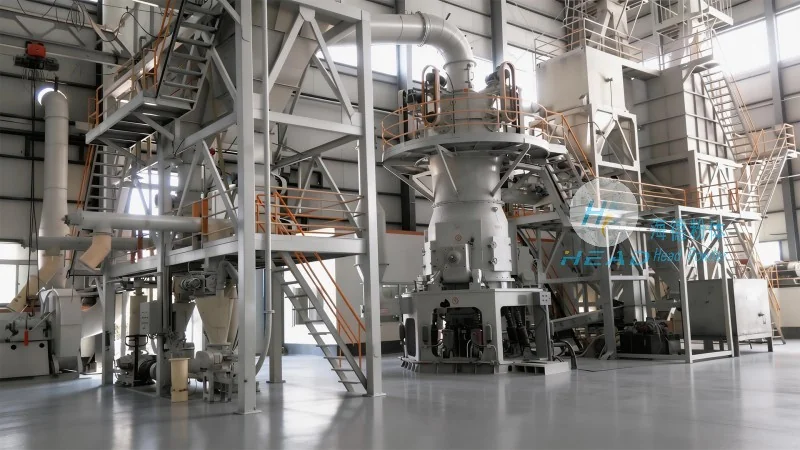
Sintered ash, typically composed of fine particles with varying sizes and densities, presents several challenges when it comes to conventional material handling methods. Traditional methods like belt conveyors or screw conveyors may struggle with the abrasive and potentially sticky nature of sintered ash, leading to increased wear and tear on equipment, higher maintenance requirements, and potential blockages. Additionally, the dustiness of sintered ash can create environmental and health hazards if not properly contained. Pneumatic conveying systems offer a solution by utilizing air to transport the material, reducing direct contact with equipment and minimizing the risk of contamination or spillage. The key is to select a system that matches the specific characteristics of your sintered ash, ensuring optimal performance and longevity.
Key Factors to Consider When Choosing a Pneumatic Conveying System
When evaluating pneumatic conveying systems for sintered ash applications, several critical factors must be taken into account. First, the particle size distribution and flowability of the ash are paramount. Different conveying technologies, such as pressure or vacuum systems, may be more suitable depending on the material's properties. For instance, pressure systems are often preferred for handling fine, dry powders like sintered ash, as they can maintain consistent flow rates and prevent particle segregation. Second, the distance and elevation changes between the source and destination points are important considerations. The system's capacity and pressure requirements must be matched to the required throughput and vertical/horizontal transport distances. Third, the environmental and safety regulations in your facility must be considered. Pneumatic conveying systems can be designed with enclosed ducts and filtration to comply with air quality standards and protect personnel from dust exposure. Finally, the overall cost of ownership, including initial investment, energy consumption, and maintenance, should be evaluated to ensure long-term economic viability.
Types of Pneumatic Conveying Systems for Sintered Ash
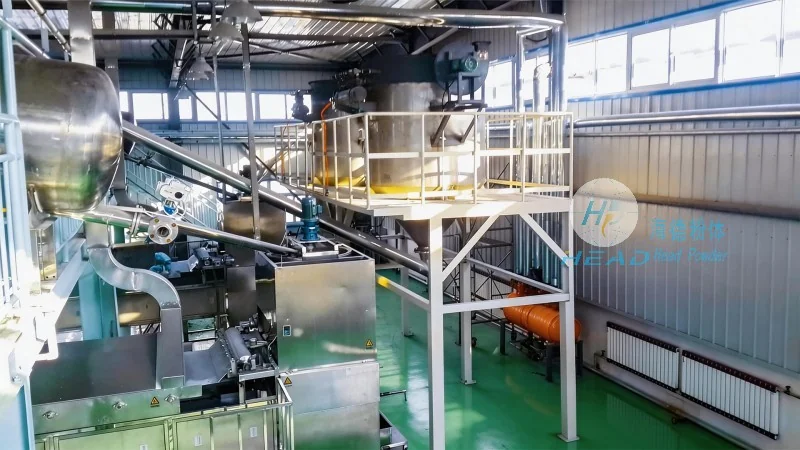
There are primarily two types of pneumatic conveying systems commonly used for sintered ash: pressure systems and vacuum systems. Pressure systems operate by blowing air or gas into the conveying line under pressure, pushing the material forward. These systems are generally more suitable for short to medium distances and can handle higher material loads. They are often preferred for applications where the ash is dry and free-flowing. On the other hand, vacuum systems use suction to draw the material into the conveying line, making them ideal for longer distances or when the material needs to be collected from multiple points. Vacuum systems are also beneficial when the ash is more cohesive or has a higher moisture content, as they can maintain better flow characteristics. Shandong HeadPowder Engineering Co., Ltd. specializes in designing and manufacturing both types of systems, offering customized solutions tailored to the specific needs of each client.
Design and Installation Considerations
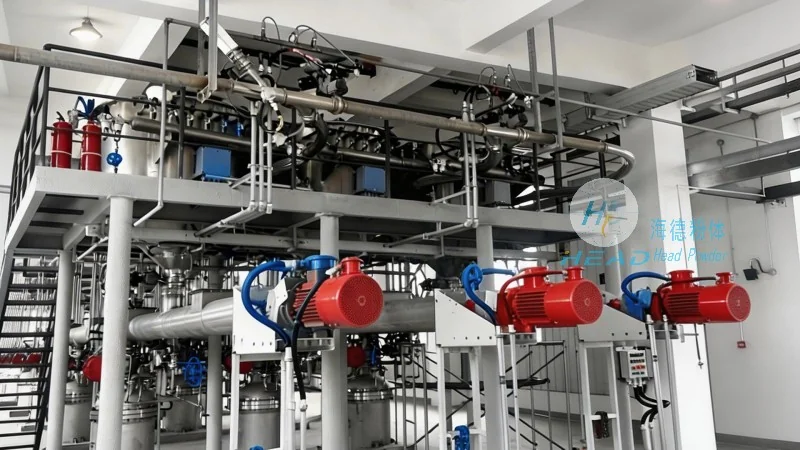
The design of a pneumatic conveying system for sintered ash involves careful consideration of several technical aspects. The selection of the right duct material is crucial, as sintered ash can be abrasive and corrosive. Materials like stainless steel or high-grade plastics are commonly used to ensure durability and prevent wear. The system's components, including the air compressor, filters, and control valves, must be sized appropriately to handle the specific flow rates and pressure requirements of the sintered ash. Proper sizing of the air compressor is essential to maintain consistent pressure and avoid system failures. Additionally, the installation process must be carefully planned to ensure smooth material flow and minimize pressure losses. This includes proper alignment of ducts, use of appropriate bends and fittings, and ensuring adequate support for the system to prevent sagging or vibration. Shandong HeadPowder Engineering Co., Ltd. provides comprehensive design and installation services, working closely with clients to ensure that the system is optimized for their specific sintered ash handling requirements.
Maintenance and Operational Tips
Once a pneumatic conveying system is installed and operational, regular maintenance is essential to ensure its longevity and performance. Key maintenance tasks include cleaning the ducts and filters to prevent clogging, checking the air compressor and motor for proper operation, and inspecting the system for any signs of wear or damage. Regular filter changes are particularly important, as they help maintain air quality and prevent the buildup of dust in the system. Operational tips, such as monitoring the system's pressure and flow rates, can help identify potential issues before they become major problems. Additionally, training personnel on the proper use and maintenance of the system can enhance safety and efficiency. Shandong HeadPowder Engineering Co., Ltd. offers maintenance and support services to help clients keep their pneumatic conveying systems running smoothly and efficiently, minimizing downtime and maximizing productivity.
Conclusion
Selecting the right pneumatic conveying system for your sintered ash handling process is a critical decision that can significantly impact your facility's efficiency, safety, and cost-effectiveness. By considering factors such as particle properties, transport distance, and environmental regulations, and working with a reputable provider like Shandong HeadPowder Engineering Co., Ltd., you can ensure that your system is optimized for your specific needs. With proper design, installation, and maintenance, a pneumatic conveying system can provide reliable and efficient material handling for years to come, helping your facility achieve its operational goals while maintaining compliance with industry standards.