Công ty TNHH Kỹ thuật Headpowder Sơn Đông chuyên vận chuyển khí nén bột và hạt. Nhờ thế mạnh hợp tác doanh nghiệp‑trường‑viện, chúng tôi cung cấp giải pháp vận chuyển kín, không bụi, độ chính xác cao.
Grass powder, a vital ingredient in various industrial and agricultural applications, requires efficient and reliable transportation methods to maintain its quality and ensure smooth production processes. The choice of conveying system is critical, as it directly impacts operational efficiency, product integrity, and overall cost-effectiveness. Among the available options, pneumatic conveying stands out as a sophisticated solution tailored to the unique characteristics of grass powder. This article explores the different types of grass powder conveying methods and highlights how Shandong HeadPowder Engineering Co., Ltd. (referred to as HeadPowder) leverages advanced pneumatic technology to deliver superior performance.
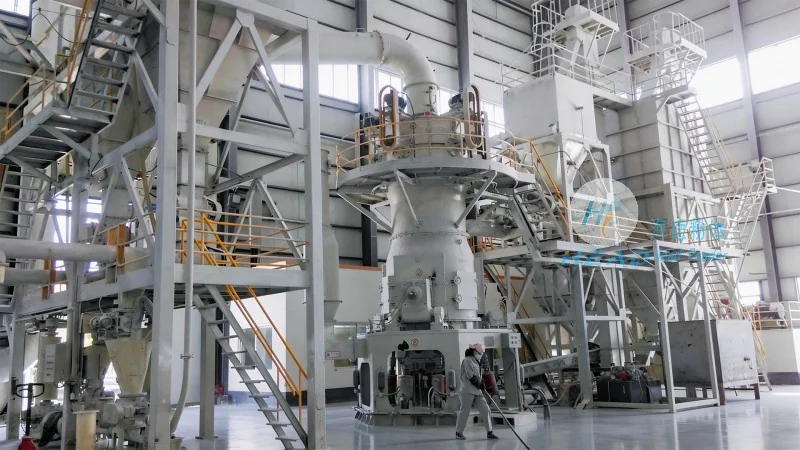
HeadPowder, a leading manufacturer based in Shandong, China, specializes in the design and implementation of customized pneumatic conveying systems for grass powder handling. The company’s expertise lies in understanding the specific challenges associated with grass powder, such as its fine particle size, hygroscopic nature, and potential for dust generation. By addressing these challenges through innovative engineering solutions, HeadPowder ensures that its conveying systems meet the highest standards of efficiency and reliability.
Key Benefits of Pneumatic Conveying for Grass Powder
One of the primary advantages of pneumatic conveying for grass powder is its ability to handle materials in a closed system, minimizing exposure to external contaminants and preventing product degradation. Unlike traditional methods like belt conveyors or screw conveyors, which may cause friction and heat buildup, pneumatic systems use air to transport particles, reducing the risk of moisture absorption and oxidation. This is particularly crucial for grass powder, which is sensitive to environmental factors that can affect its nutritional value and usability.
HeadPowder’s pneumatic conveying systems are engineered with precision to optimize air flow and particle movement. The company utilizes a combination of positive and negative pressure systems, depending on the specific requirements of the application. Positive pressure systems, where air is forced through the conveying line, are ideal for long-distance transport and handling of abrasive materials, while negative pressure systems, which draw air and particles into the system, are suitable for applications requiring minimal dust emission and cleanroom environments. Both systems are equipped with advanced control mechanisms that allow for real-time monitoring and adjustment, ensuring consistent performance and preventing system downtime.
Advanced Filtration and Dust Control
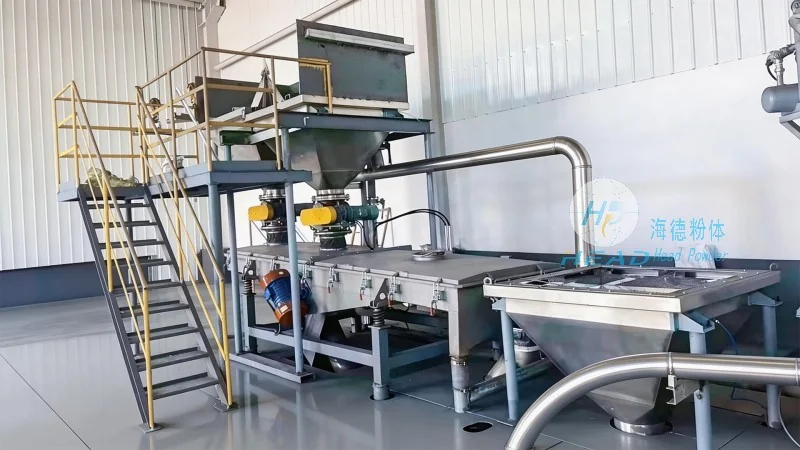
Another key feature of HeadPowder’s pneumatic conveying solutions is the integration of filtration and dust collection systems. Grass powder is prone to generating fine dust, which can pose health and safety risks if not properly managed. HeadPowder’s systems incorporate high-efficiency filters and cyclone separators that capture and retain dust particles, ensuring that the air discharged is clean and compliant with environmental regulations. This not only protects the health of operators but also maintains the purity of the product, which is essential for applications in animal feed, pharmaceuticals, and other industries where quality is paramount.
Energy Efficiency and Operational Flexibility
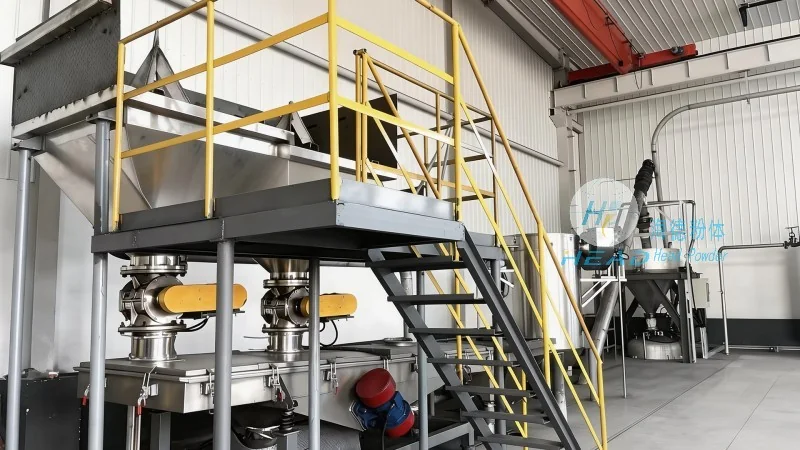
The design of HeadPowder’s conveying systems also emphasizes energy efficiency and operational flexibility. By using optimized air velocity and pressure, the company reduces energy consumption compared to traditional mechanical conveying methods. Additionally, the modular nature of the systems allows for easy expansion or modification as production needs change, providing long-term value to clients. HeadPowder’s engineers work closely with clients to understand their specific operational parameters, such as material flow rates, distance requirements, and environmental constraints, to design a system that is tailored to their unique needs.
Evaluating Conveying Methods for Grass Powder
When considering the different types of grass powder conveying methods, it is important to evaluate factors such as material characteristics, distance of transport, and environmental requirements. While mechanical conveyors like belt or screw conveyors are suitable for short distances and less abrasive materials, they may not be ideal for grass powder due to its fine particle size and tendency to clog or degrade. Pneumatic conveying, on the other hand, offers superior performance in terms of material handling, cleanliness, and flexibility. HeadPowder’s pneumatic systems provide a comprehensive solution that addresses all these factors, making them the preferred choice for many industries.
Quality and Customization at HeadPowder
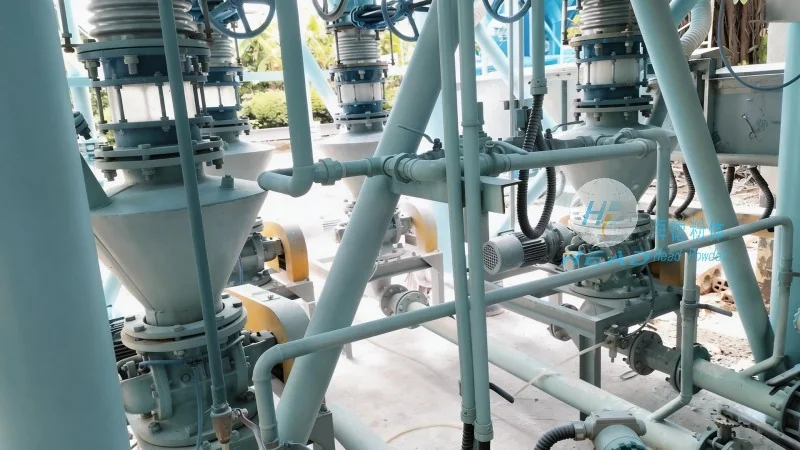
HeadPowder’s commitment to quality and innovation is evident in its approach to pneumatic conveying. The company adheres to strict manufacturing standards and conducts rigorous testing to ensure that its systems meet or exceed industry benchmarks. Each system is customized to the client’s specifications, with options for different air volumes, pressure levels, and material handling capacities. This level of customization ensures that clients receive a solution that is not only efficient but also cost-effective in the long run.
Conclusion: Choosing the Right Conveying System for Grass Powder
For businesses dealing with grass powder, choosing the right conveying system is a critical decision that impacts productivity and product quality. HeadPowder’s pneumatic conveying systems offer a reliable and advanced solution that addresses the unique challenges of grass powder handling. By leveraging the company’s expertise and innovative technology, clients can enhance their operational efficiency, maintain product integrity, and reduce costs. Whether for small-scale or large-scale applications, HeadPowder provides tailored solutions that meet the highest standards of performance and reliability.

 Shandong Headpowder Engineering Co., Ltd.
 156-6277-7102(Quản lý Trương)
  0531-83386006
  Thành phố Tế Nam, Tỉnh Sơn Đông, Trung Quốc
Điện thoại
WeChatTư vấn
Lên đầu