

Comparison of Common Calcite Conveying Methods
Calcite, a widely used mineral in various industrial applications, requires efficient and reliable conveying systems to ensure smooth operation. The choice of conveying method significantly impacts productivity, cost, and operational safety. This article provides a detailed comparison of common calcite conveying methods, highlighting their characteristics, advantages, and suitable applications. We also introduce HeadPowder Engineering Co., Ltd., a leading provider of specialized conveying solutions, with operations based in Shandong, China.
Overview of HeadPowder Engineering Co., Ltd.
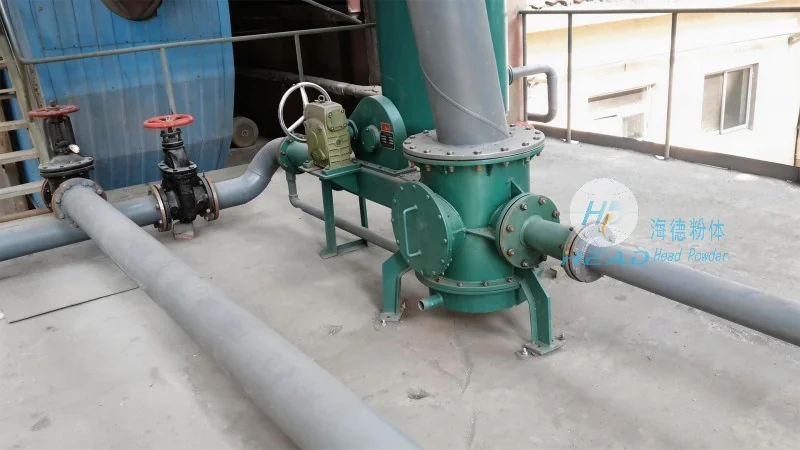
HeadPowder Engineering Co., Ltd. is a professional manufacturer and supplier of high-quality calcite conveying equipment. The company, operating from Shandong, China, specializes in designing and producing systems tailored to the unique needs of calcite handling. With a focus on durability, efficiency, and customer satisfaction, HeadPowder offers a range of solutions that meet the demands of modern industrial processes. The company’s expertise in material handling technology ensures that clients receive optimal conveying systems for their calcite applications.
Comparative Analysis of Key Conveying Methods for Calcite
Several methods are commonly employed for calcite transport, each with distinct features and performance characteristics. The primary options include screw conveyors, belt conveyors, pneumatic conveying systems, and bucket elevators. Each method has its own set of advantages and limitations, making the selection process critical for maximizing operational efficiency.
Screw conveyors, also known as auger conveyors, are widely used for calcite transport due to their simplicity and effectiveness in handling dry, free-flowing materials. These systems consist of a rotating screw inside a tube, which moves material forward through the conveyor. Screw conveyors are particularly suitable for short to medium distances and can handle a variety of particle sizes. Their compact design and low maintenance requirements make them a popular choice for many applications. However, they may not be ideal for very large or abrasive materials, as the screw and housing can experience wear over time.
Belt conveyors are another common method for calcite conveying, especially in bulk material handling operations. These systems use a continuous belt that transports material from one point to another. Belt conveyors are highly effective for long-distance transport and can handle large volumes of material. They are often used in mining, construction, and chemical industries where calcite is processed in bulk. The key advantages of belt conveyors include high capacity, low power consumption, and the ability to operate in various environmental conditions. However, they require regular maintenance, particularly for the belt and pulleys, and may not be suitable for materials with high moisture content or sticky properties.
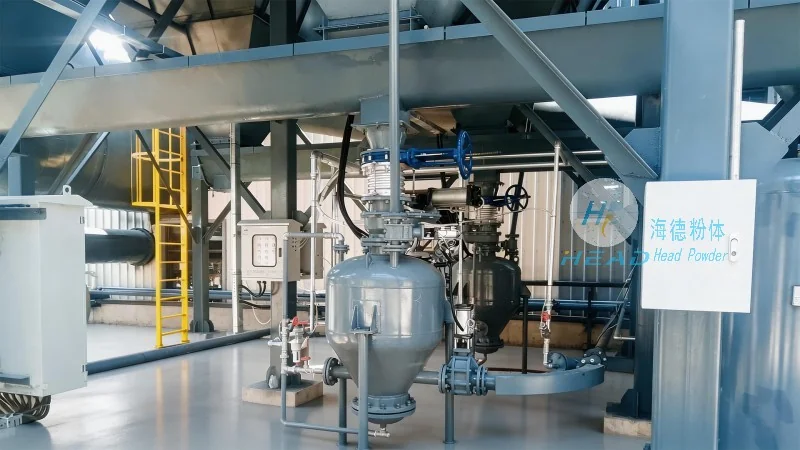
Pneumatic conveying systems, or air conveying, use compressed air to transport calcite particles through a pipeline. This method is particularly effective for handling fine or dusty materials, as it minimizes dust exposure and provides a closed system. Pneumatic conveyors are ideal for applications where dust control is critical, such as in food processing or pharmaceutical industries. They can transport calcite over long distances with minimal loss and are relatively easy to install and maintain. The main drawback is the higher energy consumption compared to other methods, as compressed air requires significant power. Additionally, the system may be less efficient for very large particles or materials with high bulk density.
Bucket elevators are vertical or inclined conveyors that use buckets attached to a chain or belt to lift and transport calcite. These systems are commonly used for vertical or steep incline transport, making them suitable for applications where space is limited or the material needs to be lifted to a higher level. Bucket elevators offer high capacity and can handle a wide range of particle sizes, including wet or sticky materials. They are particularly effective in industries like cement production, where calcite is processed and transported vertically. The main advantages include high efficiency and the ability to handle abrasive materials. However, bucket elevators require more complex installation and maintenance, as the buckets and chains are subject to wear and tear.
Technical Considerations in Selecting the Right Conveying System
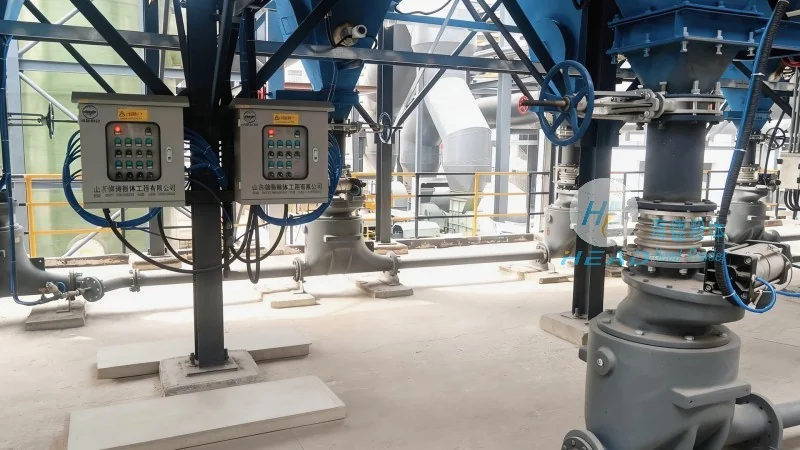
When choosing a calcite conveying system, several technical factors must be considered to ensure optimal performance. The first consideration is the physical properties of the calcite material, including particle size, density, moisture content, and flowability. Fine calcite particles may require a pneumatic system to prevent dust accumulation, while larger, bulkier particles may be better suited for belt or screw conveyors. The moisture content is also critical, as high moisture can cause caking or sticking, which affects the conveyor's efficiency. Additionally, the desired conveying distance and elevation change play a significant role in system selection. For short horizontal distances, screw or belt conveyors may suffice, while longer distances or vertical lifts may necessitate bucket elevators or pneumatic systems.
Operational factors, such as the required throughput and system reliability, also influence the choice of conveying method. High-volume applications may benefit from belt conveyors or pneumatic systems, which can handle large capacities. For applications requiring continuous operation with minimal downtime, systems with redundant components or easy maintenance access are preferred. Environmental considerations, including dust control and noise levels, are also important, especially in industries where regulatory compliance is a priority. HeadPowder Engineering Co., Ltd. offers customized solutions that address these technical and operational factors, ensuring that clients select the most appropriate conveying system for their calcite handling needs.
Practical Applications and Industry Impact
Calcite conveying systems are integral to various industries, including chemical manufacturing, cement production, food processing, and pharmaceuticals. In the chemical industry, calcite is used as a filler or raw material in the production of plastics, paints, and coatings. Efficient conveying ensures that calcite is delivered to processing units without loss or contamination. In cement production, calcite is a key component of cement clinker, and reliable conveying systems are essential for maintaining production rates and quality. The food and pharmaceutical industries require stringent dust control measures, making pneumatic conveying systems a preferred choice to prevent contamination and ensure product safety.
HeadPowder Engineering Co., Ltd. has successfully implemented calcite conveying solutions in numerous industrial settings. The company’s expertise in material handling technology has enabled clients to improve operational efficiency, reduce costs, and enhance product quality. By providing tailored systems that address specific material properties and operational requirements, HeadPowder has helped industries achieve better control over calcite handling processes. The company’s commitment to quality and customer satisfaction has made it a trusted partner in the calcite conveying industry, with operations based in Shandong, China, serving clients globally.