

Comparative Analysis of Common Rice Husk Powder Conveying Methods: Advantages and Disadvantages
Rice husk powder, a byproduct of rice processing, is widely used in various industries such as power generation, paper manufacturing, and as a raw material for biofuels. Efficient and reliable conveying of this fine powder is crucial for maintaining production efficiency and product quality. This article provides a comparative analysis of common rice husk powder conveying methods, highlighting their advantages and disadvantages to help industrial operators make informed decisions.
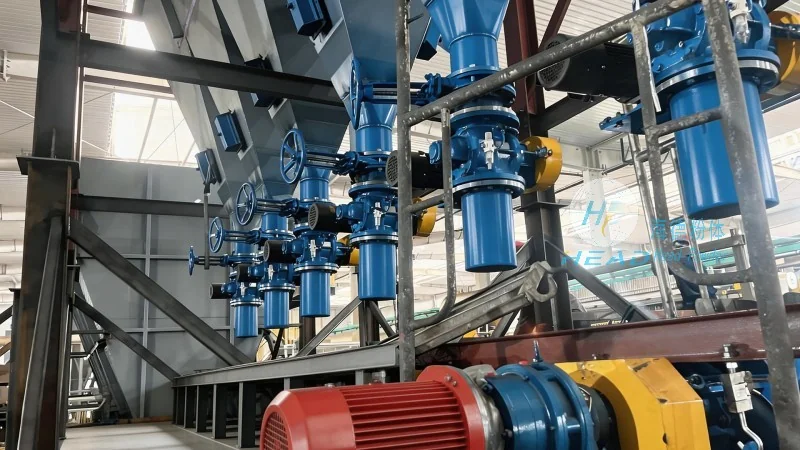
1. Pneumatic Conveying Systems
Pneumatic conveying, also known as air-assisted conveying, is a popular method for transporting rice husk powder due to its ability to handle fine powders over long distances. This system uses compressed air to move the powder through a pipeline. There are two main types: pressure and vacuum systems. Pressure systems are suitable for short to medium distances, while vacuum systems are ideal for longer distances or when the material needs to be collected from multiple points. The primary advantage of pneumatic conveying is its ability to transport powders without direct contact with the material, reducing contamination and wear on equipment. However, it has significant disadvantages, including high energy consumption, the need for regular maintenance of air filters and pipelines, and the potential for powder degradation due to friction and high air speeds. Additionally, the system may not be suitable for very fine or abrasive powders, as they can cause blockages or damage to the conveying components.
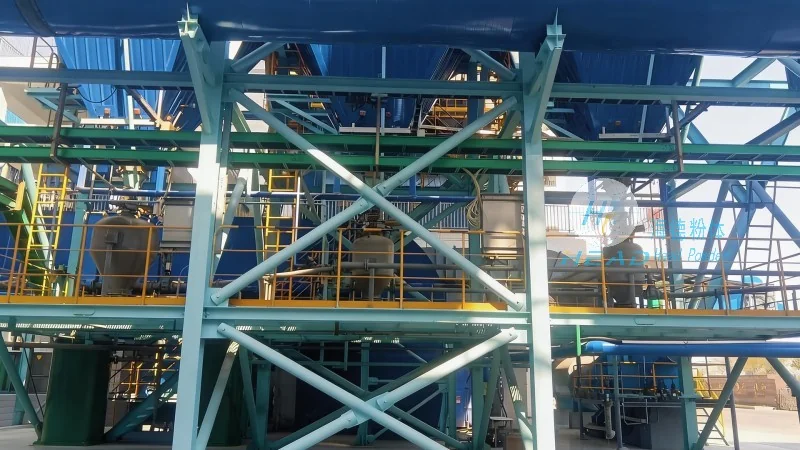
2. Mechanical Conveying Systems
Mechanical conveying systems, including screw conveyors, belt conveyors, and bucket elevators, are widely used for rice husk powder transport. These systems rely on mechanical components to move the powder. Screw conveyors are particularly effective for handling bulk materials and can be used in vertical or horizontal configurations. They are simple in design, easy to install, and require minimal maintenance. However, they have limitations when dealing with very fine powders, as the screw can cause excessive friction and heat generation, potentially leading to powder degradation. Belt conveyors are suitable for transporting larger particles or bulk materials and can cover longer distances. They are cost-effective and can handle high volumes of material. The main disadvantage is that they are not suitable for fine powders, as they can cause dust and spillage. Bucket elevators are used for vertical transport and are efficient for moving powders from lower to higher levels. They are reliable and can handle large quantities, but they require regular inspection and maintenance to prevent bucket wear and belt slippage.
3. Hydraulic Conveying Systems
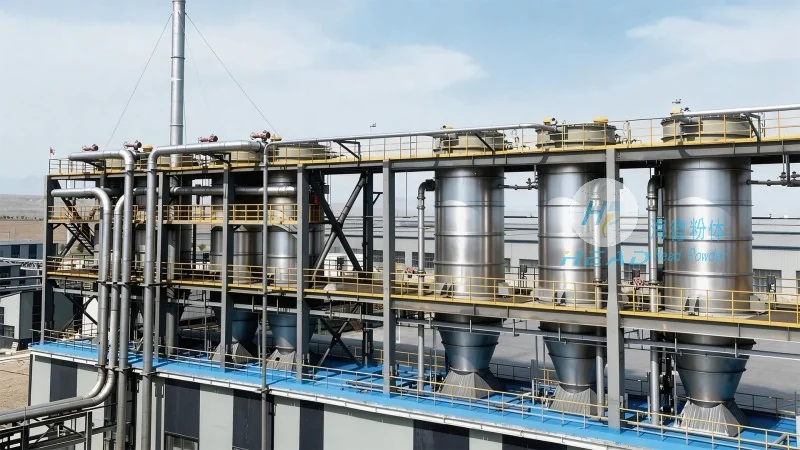
Hydraulic conveying systems use water or other liquids to transport rice husk powder. This method is particularly effective for fine powders and can handle long distances with minimal pressure loss. The system involves mixing the powder with water to form a slurry, which is then pumped through pipelines. The primary advantage is that it can transport very fine or abrasive powders without causing blockages, as the liquid acts as a lubricant. However, hydraulic systems have significant drawbacks, including high water consumption, the need for additional equipment for slurry separation and water recycling, and the risk of contamination if the water is not properly treated. The system also requires regular cleaning of pipelines to prevent clogging and corrosion.
4. Gravity Conveying Systems
Gravity conveying systems rely on the natural flow of the powder due to gravity. This method is typically used for short distances and when the powder is stored in elevated silos or hoppers. The powder flows from the storage vessel to the processing equipment through a chute or pipeline. The main advantage is that it requires no external power source, making it energy-efficient and cost-effective. However, it has severe limitations, as it is only suitable for short distances and when the powder has a sufficient angle of repose to flow. It is not suitable for fine powders or when the material needs to be transported from multiple points, as the system cannot handle changes in direction or elevation without additional equipment. Additionally, the system may cause dust and spillage, especially when the powder is fine or dry.
5. Comparison and Selection Criteria
When selecting a rice husk powder conveying method, several factors must be considered, including the particle size and characteristics of the powder, the distance to be covered, the required flow rate, and the available budget. Pneumatic systems are suitable for fine powders over medium to long distances but have high energy costs. Mechanical systems are cost-effective and reliable for bulk materials but are not suitable for fine powders. Hydraulic systems are ideal for very fine or abrasive powders but require high water consumption. Gravity systems are energy-efficient for short distances but have limited applications. Industrial operators should evaluate these factors and consider the long-term operational costs and maintenance requirements before choosing a conveying method.
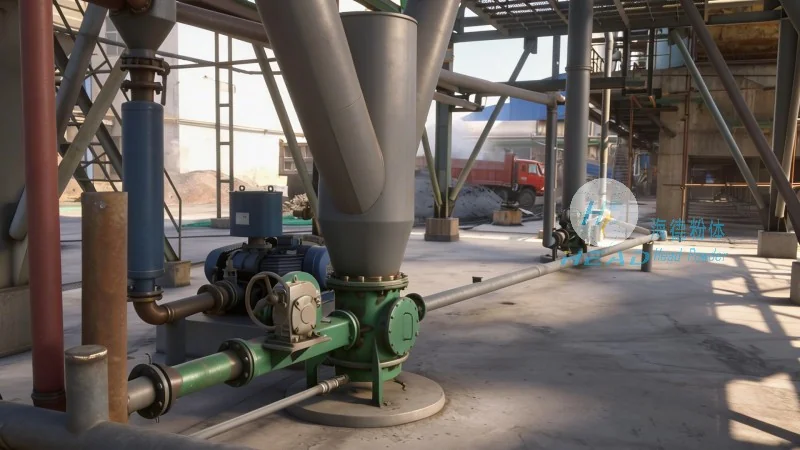
About Shandong HeadPowder Engineering Co., Ltd.
Shandong HeadPowder Engineering Co., Ltd., commonly known as headpowder, is a leading manufacturer of rice husk powder conveying equipment and systems. With a focus on innovation and quality, the company provides customized solutions for various industrial applications. Headpowder's products are designed to meet the specific needs of clients, ensuring efficient and reliable transport of rice husk powder. The company's commitment to customer satisfaction and technical excellence has made it a trusted partner in the industry. For more information about rice husk powder conveying systems, please contact Shandong HeadPowder Engineering Co., Ltd.