

Common Powder Coating Conveying Methods: An Overview of Powder Coating Pneumatic Conveying
Efficient and reliable powder coating delivery is a critical factor in the manufacturing process of powder coatings. The choice of conveying method directly impacts production efficiency, product quality, and operational costs. For companies like Shandong HeadPowder Engineering Co., Ltd., understanding the various powder coating conveying methods is essential to optimize their production lines and ensure consistent performance. This article provides an overview of common powder coating conveying methods, with a focus on the advantages and applications of pneumatic conveying systems.
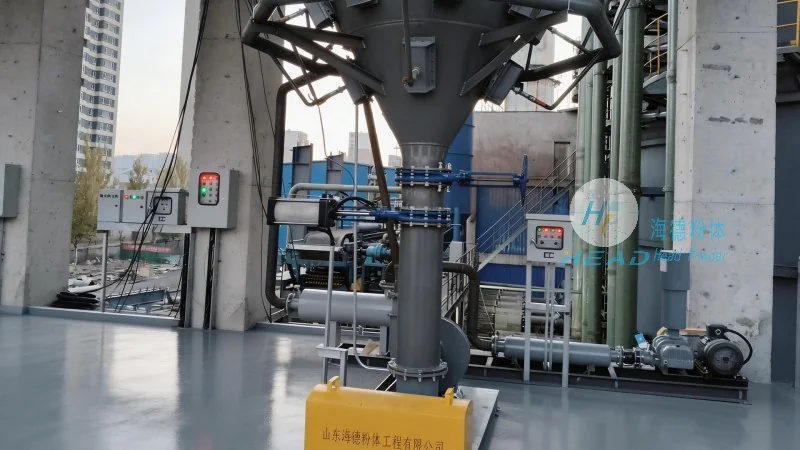
Powder Coating Conveying Methods Overview
There are several primary methods used to transport powder coatings from storage to processing equipment. These methods vary in terms of complexity, cost, and suitability for different production scales and material characteristics. The most common powder coating conveying methods include gravity flow, mechanical conveyors, and pneumatic (air-assisted) systems. Each method has its own set of advantages and limitations, making the selection process dependent on specific operational requirements.
Gravity Flow Conveying
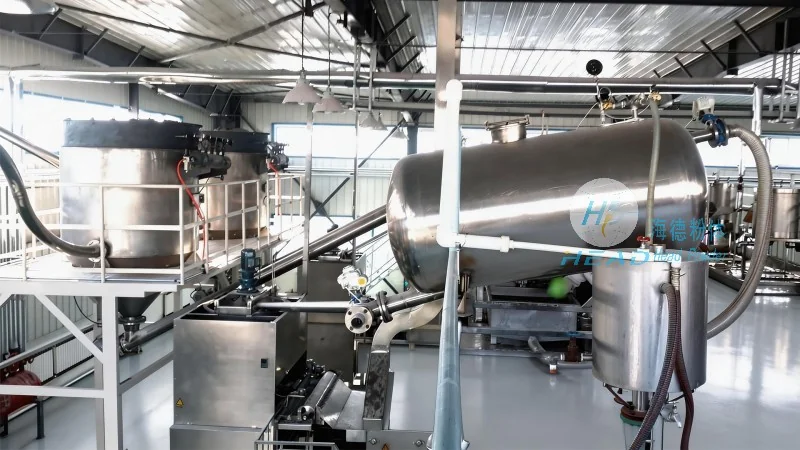
Gravity flow, also known as bulk handling or silo discharge, is a simple and cost-effective method for transporting powder coatings. This system typically involves a storage silo or hopper from which the powder is released under the force of gravity into a conveyor or processing unit. The design of gravity flow systems often includes a hopper with a conical bottom or a slide gate to control the flow rate. While gravity flow is straightforward and requires minimal energy, it is generally suitable for short distances and materials with low moisture content and minimal dust generation. For longer distances or more demanding applications, additional equipment such as vibratory feeders or pneumatic assist may be required to maintain consistent flow and prevent material bridging or clogging.
Mechanical Conveying Systems
Mechanical conveyors, including screw conveyors, belt conveyors, and bucket elevators, are another common approach to powder coating transport. These systems use mechanical components to move the powder through a pipeline or conveyor belt. Screw conveyors, for example, utilize a rotating screw to push the powder forward, while belt conveyors rely on a moving belt to transport the material. Mechanical conveyors are often preferred for applications where the powder needs to be transported over longer distances or at higher capacities. They are also suitable for materials that are prone to caking or require gentle handling to avoid particle degradation. However, mechanical systems can be more complex to install and maintain, and they may generate more dust compared to pneumatic systems, which can impact workplace safety and environmental compliance.
Pneumatic Conveying Systems: The HeadPowder Solution
Pneumatic conveying, or air-assisted transport, is a highly efficient and versatile method for powder coating delivery. This technology uses compressed air to move the powder through a pipeline, combining the advantages of both gravity and mechanical systems. Pneumatic systems can transport powder over long distances, handle a wide range of material types, and maintain consistent flow rates. The core components of a pneumatic conveying system include a hopper, a feeder, a compressor, and a pipeline network. The powder is fed into the system, where it is mixed with compressed air and transported through the pipeline to the processing equipment. There are two main types of pneumatic conveying: pressure and vacuum systems. Pressure systems use compressed air to push the powder forward, while vacuum systems use a vacuum to pull the powder through the pipeline. Both types offer flexibility in system design and can be customized to meet specific production needs.
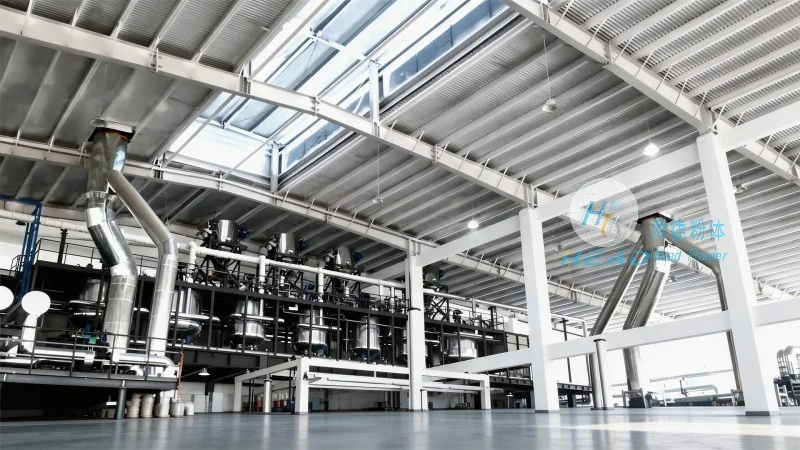
Advantages of Pneumatic Conveying for Powder Coatings
For companies like Shandong HeadPowder Engineering Co., Ltd., pneumatic conveying offers several key advantages. First, it provides high efficiency and reliability, ensuring consistent material flow and reducing downtime. The ability to transport powder over long distances without the need for multiple transfer points simplifies the production line and minimizes the risk of material contamination. Second, pneumatic systems are highly flexible and can be easily integrated with existing equipment. They can handle a wide range of powder characteristics, including different particle sizes, moisture content, and flowability. Third, pneumatic conveying is energy-efficient compared to mechanical systems, as it uses compressed air rather than mechanical components to move the powder. This results in lower operational costs and reduced maintenance requirements. Additionally, pneumatic systems are effective at controlling dust and minimizing environmental impact, which is increasingly important for compliance with environmental regulations.
Customization and Application Examples
Shandong HeadPowder Engineering Co., Ltd. specializes in designing and manufacturing customized pneumatic conveying systems tailored to the specific needs of powder coating manufacturers. The company's expertise lies in understanding the unique challenges of powder coating production and developing solutions that optimize performance and efficiency. For example, a typical application might involve transporting a high-volume batch of powder from a storage silo to a spray booth or a mixing unit. The system would include a large hopper with a rotary valve feeder to control the flow rate, a high-pressure compressor to generate the necessary air pressure, and a pipeline network that connects the hopper to the processing equipment. The system would be designed to handle the specific powder characteristics, such as particle size distribution and moisture content, to ensure smooth and consistent operation. Another application could be a small-scale system for a laboratory or a pilot plant, where the focus is on precision and flexibility rather than high capacity. In this case, a vacuum pneumatic system might be more suitable, as it allows for easy adjustment of flow rates and material handling.