

Common Organic Silicon Powder Conveying Methods: An Introduction to Pneumatic Conveying of Organic S
Organic silicon powders are widely used in various industrial applications due to their unique properties, such as thermal stability, chemical resistance, and excellent dielectric performance. Efficient and reliable powder handling is crucial for maintaining product quality and operational efficiency in production lines. This article explores common conveying methods for organic silicon powders, with a focus on pneumatic conveying systems, and introduces the expertise of Shandong HeadPowder Engineering Co., Ltd. (referred to as HeadPowder) in providing tailored solutions for powder handling challenges.
HeadPowder, a leading manufacturer based in Shandong, China, specializes in engineering solutions for powder processing and material handling. With years of experience in the industry, the company has developed advanced technologies to address the complexities of organic silicon powder transportation, ensuring safe, efficient, and cost-effective operations for clients across various sectors.
Pneumatic Conveying: The Preferred Method for Organic Silicon Powder Transport
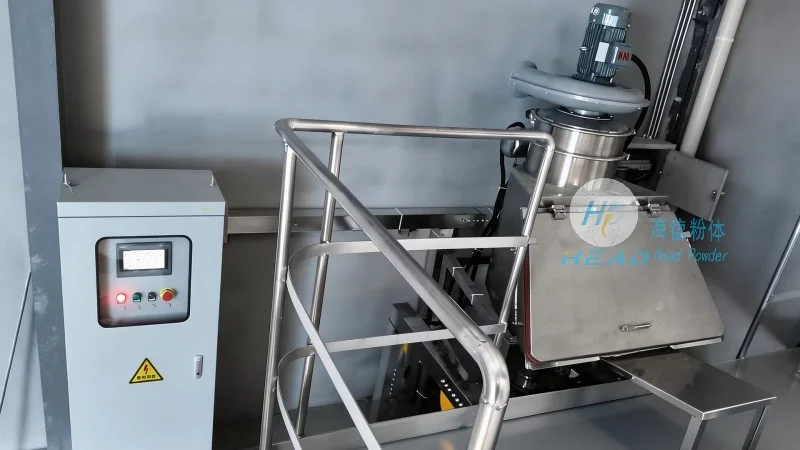
Pneumatic conveying, also known as air conveying, is a widely adopted method for transporting organic silicon powders due to its ability to handle fine powders with minimal product degradation. This technology uses compressed air to move powders through a pipeline system, eliminating the need for mechanical components like belts or buckets that might cause contamination or wear. HeadPowder offers customized pneumatic conveying systems tailored to the specific characteristics of organic silicon powders, including particle size, density, and moisture content. The company’s solutions often incorporate features such as positive pressure or negative pressure systems, depending on the application requirements. For instance, positive pressure systems are suitable for long-distance transport and high-volume applications, while negative pressure systems are ideal for handling dust or preventing product loss. The company’s expertise in material flow analysis and system design ensures optimal performance and minimal energy consumption.
Mechanical Conveying: Alternative Solutions for Organic Silicon Powder Handling
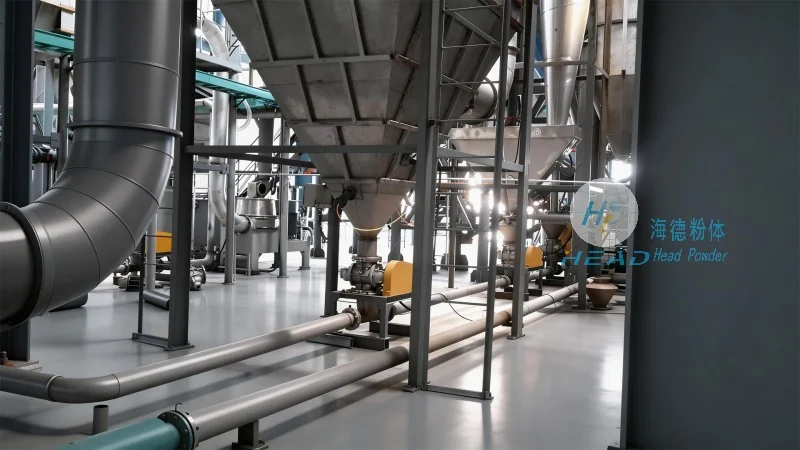
While pneumatic conveying is the most common method, mechanical conveying systems, such as screw conveyors, belt conveyors, and bucket elevators, are also used for organic silicon powders in certain scenarios. Screw conveyors are particularly effective for handling free-flowing powders with low to medium bulk density. They are simple in design, requiring minimal maintenance, and can operate in both horizontal and inclined configurations. Belt conveyors, on the other hand, are suitable for larger particle sizes or bulkier materials, providing high capacity and continuous transport. However, mechanical systems may pose challenges related to product contamination, wear on equipment, and the need for regular cleaning. HeadPowder recognizes these limitations and often recommends pneumatic systems for organic silicon powders, as they offer better control over particle flow and reduce the risk of agglomeration or degradation.
Types of Pneumatic Conveying Systems for Organic Silicon Powders
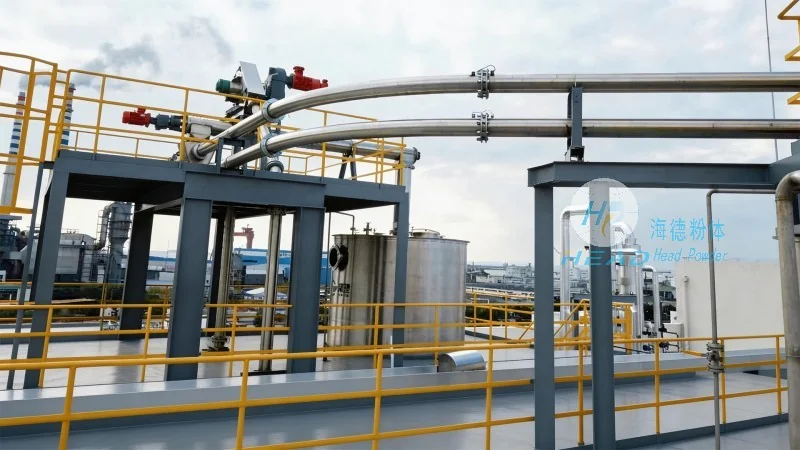
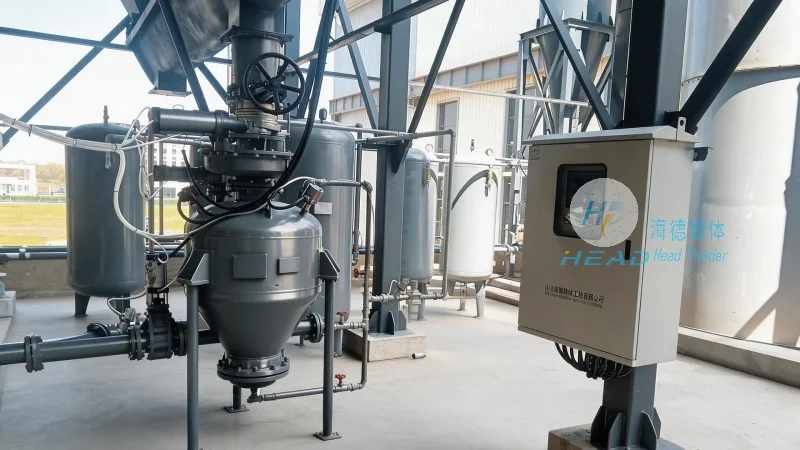
HeadPowder’s pneumatic conveying solutions include several configurations to suit different operational needs. The most common types are dilute-phase and dense-phase systems. Dilute-phase systems use low air-to-powder ratios, making them suitable for short to medium distances and moderate flow rates. They are cost-effective and easy to install, but may require larger duct sizes for high-volume transport. Dense-phase systems, conversely, use higher air-to-powder ratios, allowing for longer transport distances and higher pressure drops. These systems are ideal for sensitive powders that require gentle handling, as they minimize particle impact and reduce the risk of segregation. HeadPowder’s engineers work closely with clients to determine the most appropriate system type based on factors like the powder’s physical properties, the required transport distance, and the desired throughput. The company also integrates advanced control systems, such as pressure sensors and flow meters, to monitor and adjust the conveying process in real-time, ensuring consistent performance and product quality.
Key Design Considerations for Organic Silicon Powder Conveying Systems
Designing an effective conveying system for organic silicon powders involves several critical factors. First, the particle size and shape of the powder must be considered, as fine powders may require special equipment to prevent clogging or loss. HeadPowder’s expertise in material characterization helps in selecting the right components, such as cyclones or filters, to handle fine particles. Second, the bulk density and flowability of the powder are important, as these properties affect the system’s capacity and energy consumption. The company’s engineers use computational fluid dynamics (CFD) simulations to model the powder flow and optimize the system design before implementation. Third, the system’s compatibility with the production environment is crucial. For example, if the powder is sensitive to moisture or temperature changes, the conveying system must be designed to maintain stable conditions. HeadPowder’s solutions often include features like temperature-controlled ducts and moisture-proofing measures to protect the organic silicon powder during transport. Additionally, the system’s scalability is considered, allowing for future expansion as production needs grow.
Conclusion: Choosing the Right Conveying Method for Organic Silicon Powders
Efficient and reliable powder handling is essential for the success of organic silicon powder applications. While mechanical conveying systems have their uses, pneumatic conveying remains the preferred method for most organic silicon powder applications due to its gentleness, flexibility, and ability to handle fine powders. Shandong HeadPowder Engineering Co., Ltd. (HeadPowder) provides comprehensive solutions for organic silicon powder conveying, leveraging advanced technology and expertise to meet the specific needs of clients. By understanding the unique properties of organic silicon powders and designing customized pneumatic conveying systems, HeadPowder ensures that clients achieve optimal performance, minimal product loss, and cost-effective operations. Whether for short-distance transport or long-distance delivery, HeadPowder’s solutions are tailored to deliver high-quality results, supporting the growth and success of industries that rely on organic silicon powders.