

What are the methods for transporting precipitated barium sulfate?
For industrial applications, the efficient and reliable transportation of precipitated barium sulfate is crucial. This article explores various methods employed in the industry to handle this material, focusing on practical approaches that ensure safety, efficiency, and compliance with operational standards. HeadPowder, a leading manufacturer based in Shandong, China, specializes in providing high-quality precipitated barium sulfate and related transportation solutions. By understanding these methods, businesses can optimize their processes and enhance overall productivity.
Key Characteristics of Precipitated Barium Sulfate
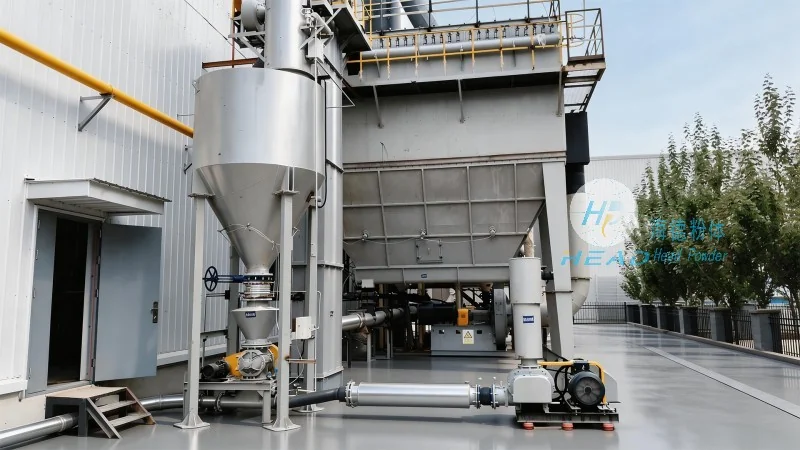
Precipitated barium sulfate, also known as barium sulfate, is a white crystalline powder widely used in pharmaceuticals, coatings, and other industrial sectors. Its fine particle size and high density make it challenging to transport, requiring specialized equipment and techniques. Understanding the physical properties of this material is essential for selecting the most appropriate transportation method.
Common Transportation Methods for Precipitated Barium Sulfate
Several methods are commonly used to transport precipitated barium sulfate, each with its own advantages and limitations. The choice of method depends on factors such as the scale of operation, the distance to be covered, and the specific requirements of the end-user. Below are some of the most prevalent approaches:
Pneumatic Conveying Systems
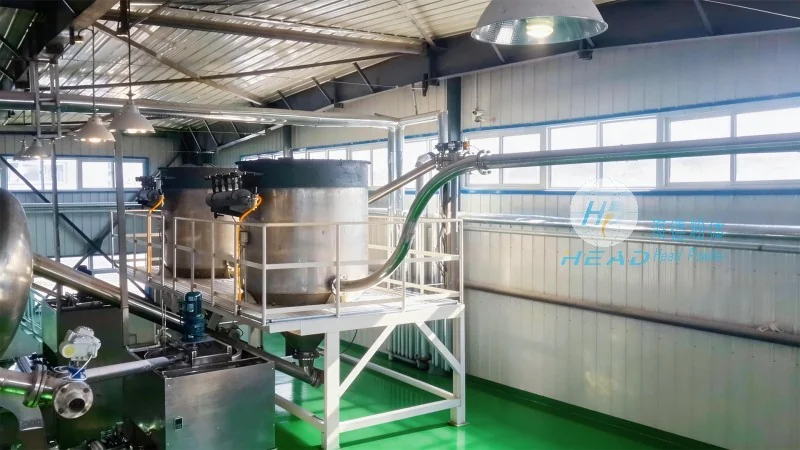
Pneumatic conveying systems utilize air or other gases to transport powders like precipitated barium sulfate. These systems can be categorized into two main types: dilute-phase and dense-phase. Dilute-phase systems use high-velocity air to move material through a pipeline, while dense-phase systems employ lower air velocities and higher material concentrations. Pneumatic conveying offers advantages such as low maintenance, the ability to transport materials over long distances, and the potential for dust-free operation. However, it may require more energy compared to other methods and can be susceptible to blockages if the material is not properly conditioned.
Screw Conveyors
Screw conveyors are another common method for transporting precipitated barium sulfate. These devices consist of a rotating screw (or auger) enclosed in a tube, which moves material along the length of the conveyor. Screw conveyors are suitable for horizontal or slightly inclined transport and can handle a wide range of materials, including fine powders. They are relatively simple in design, easy to install, and can be integrated into existing production lines. However, they may not be suitable for very fine or cohesive powders, as these can cause the screw to bind or the material to segregate.
Belt Conveyors
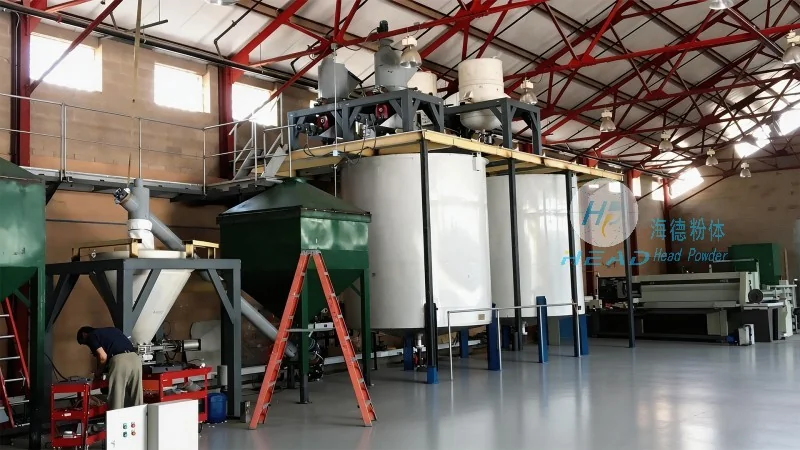
Belt conveyors use a continuous belt to transport precipitated barium sulfate. The material is placed on the belt and moves along its path, often with the aid of idlers and pulleys. Belt conveyors are ideal for long-distance transport and can handle large volumes of material. They are also relatively low-cost and easy to maintain. However, they require a relatively flat surface and may not be suitable for very fine powders, as these can fall through the belt or cause it to slip.
Bucket Elevators
Bucket elevators are used to transport precipitated barium sulfate vertically or at steep angles. These systems consist of a series of buckets attached to a chain or belt, which moves the material up or down a vertical shaft. Bucket elevators are efficient for vertical transport and can handle high volumes of material. They are also relatively low-maintenance and can be designed to handle cohesive or sticky materials. However, they may be more expensive to install than other methods and can be susceptible to wear and tear.
Selection Criteria for Transportation Methods
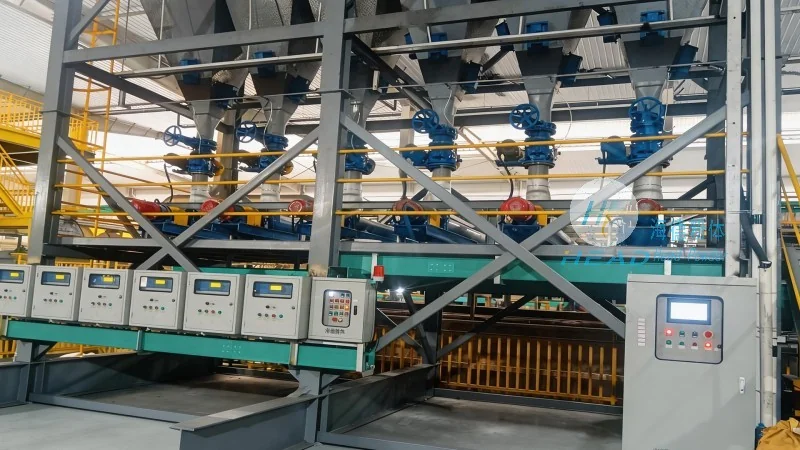
When selecting a transportation method for precipitated barium sulfate, several factors must be considered. The first is the scale of the operation, as larger facilities may require more robust systems. The second is the distance to be covered, as some methods are better suited for short distances while others are ideal for long-distance transport. The third is the material's physical properties, such as its particle size, density, and moisture content, as these can affect the performance of the transportation system. Additionally, the cost of the system, its maintenance requirements, and its environmental impact should also be taken into account.
Conclusion
Efficient transportation of precipitated barium sulfate is essential for the smooth operation of industrial processes. By understanding the various methods available and selecting the most appropriate one based on specific requirements, businesses can improve their productivity, reduce costs, and ensure the safe handling of this material. As technology advances, new methods may emerge, but the fundamental principles of material handling remain consistent, emphasizing the importance of careful planning and evaluation.