

Comparison of Common Soapstone Conveying Methods
When it comes to handling soapstone in industrial applications, selecting the right conveying method is crucial for efficiency, cost-effectiveness, and operational safety. This article provides a detailed comparison of common soapstone conveying methods, highlighting their advantages, limitations, and ideal applications. The information is presented by Shandong HeadPowder Engineering Co., Ltd., a leading manufacturer based in Shandong, China, specializing in bulk material handling solutions.
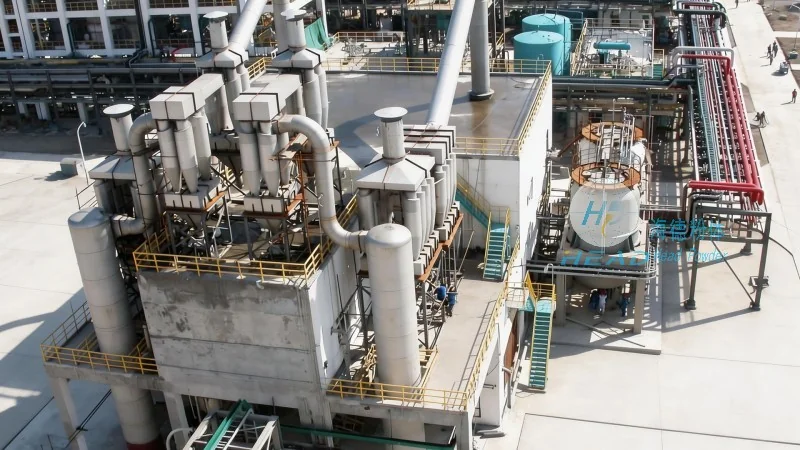
Overview of Key Conveying Methods for Soapstone
Soapstone, a natural stone with unique properties including thermal resistance and chemical inertness, requires specialized handling due to its density and abrasive nature. The primary conveying methods used in industrial settings include belt conveyors, screw conveyors, pneumatic conveyors, and hydraulic systems. Each method has distinct characteristics that make it suitable for different production environments and material flow requirements.
Belt Conveyors: The Workhorse of Bulk Material Handling
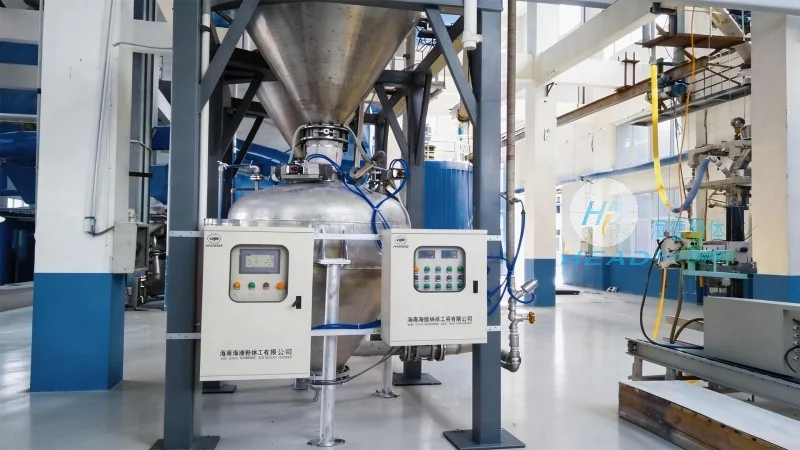
Belt conveyors are among the most widely used systems for transporting soapstone, particularly in large-scale mining and processing operations. These systems consist of a continuous loop of material (often rubber or PVC) that moves over rollers or a flat surface. The primary advantage of belt conveyors is their high capacity and ability to transport materials over long distances with minimal maintenance. They are ideal for horizontal or slightly inclined transport, making them suitable for raw material intake, intermediate processing, and final product discharge. However, belt conveyors may face challenges with abrasive materials like soapstone, which can cause wear on the belt and rollers over time. Regular maintenance, such as belt tension adjustments and pulley replacements, is essential to ensure long-term reliability. Shandong HeadPowder Engineering Co., Ltd. offers customized belt conveyor solutions tailored to the specific dimensions and load requirements of soapstone, ensuring optimal performance and durability.
Screw Conveyors: Compact and Versatile for Horizontal Transport
Screw conveyors, also known as auger conveyors, are another popular choice for soapstone handling due to their compact design and ability to transport materials in a closed system. These conveyors use a rotating screw (auger) to move material along a U-shaped or cylindrical housing. The key benefits of screw conveyors include their low profile, which saves space in processing facilities, and their ability to handle materials with varying moisture content and particle sizes. Screw conveyors are particularly effective for horizontal or slight incline transport, making them suitable for feeding raw soapstone into grinding or mixing equipment. However, they have limitations when dealing with highly abrasive materials, as the screw and housing can experience significant wear. Additionally, screw conveyors may not be suitable for long-distance transport due to the mechanical resistance of the screw. Shandong HeadPowder Engineering Co., Ltd. provides screw conveyor systems with high-strength materials, such as stainless steel or hardened steel, to withstand the abrasive nature of soapstone and extend operational life.
Pneumatic Conveyors: Air-Driven Solutions for Dusty Materials
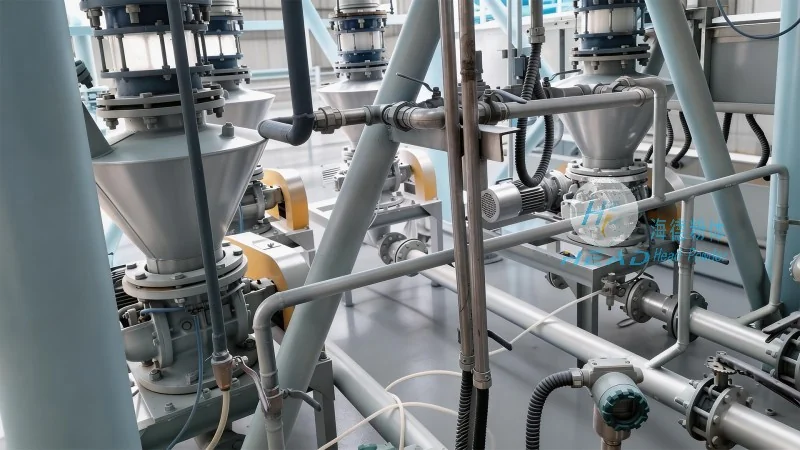
Pneumatic conveyors use air pressure or vacuum to transport soapstone particles through a pipeline system. These systems are ideal for handling fine or dusty soapstone, as they can prevent material degradation and contamination. The primary advantages of pneumatic conveyors include their ability to transport materials vertically and horizontally, their compact footprint, and the option to integrate with dust collection systems. Pneumatic conveyors are particularly effective for short to medium distances and for applications where dust control is critical, such as in food processing or pharmaceutical industries. However, they require higher energy consumption compared to mechanical conveyors and may not be suitable for large, heavy particles. The system also needs regular cleaning to prevent blockages and maintain efficiency. Shandong HeadPowder Engineering Co., Ltd. specializes in designing pneumatic conveying systems with efficient air flow control and material separation mechanisms, ensuring reliable transport of soapstone while minimizing energy waste.
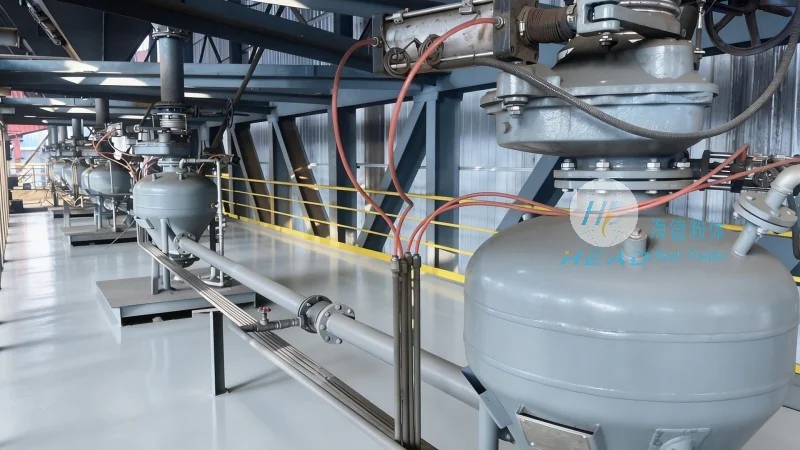
Hydraulic Conveyors: High-Pressure Solutions for Heavy Loads
Hydraulic conveyors utilize high-pressure fluid to move soapstone through a pipeline or chamber. These systems are commonly used in heavy-duty applications where high loads and high pressures are required, such as in mining or construction. The main advantages of hydraulic conveyors include their ability to handle very heavy and abrasive materials, their high efficiency in transporting large volumes, and their ability to operate in harsh environments. Hydraulic conveyors are particularly effective for vertical transport and for applications where high pressure is needed to overcome resistance. However, they require specialized maintenance, including fluid replacement and system checks, to prevent leaks and ensure safety. The initial investment for hydraulic systems is also higher compared to other conveying methods. Shandong HeadPowder Engineering Co., Ltd. offers customized hydraulic conveyor solutions with robust components, ensuring reliable operation in demanding soapstone handling scenarios.
Choosing the Right Conveying Method for Your Soapstone Application
Selecting the appropriate soapstone conveying method depends on several factors, including the material's characteristics, the distance to be covered, the required capacity, and the available space in the processing facility. For large-scale horizontal transport over long distances, belt conveyors are often the most cost-effective choice. Screw conveyors are ideal for compact installations and for feeding materials into processing equipment. Pneumatic conveyors are preferred when dust control and vertical transport are necessary. Hydraulic conveyors are suitable for heavy-duty applications requiring high pressure and load capacity. Shandong HeadPowder Engineering Co., Ltd. provides expert consultation to help clients evaluate their specific needs and select the most suitable conveying system. By understanding the strengths and limitations of each method, businesses can optimize their soapstone handling processes, reduce operational costs, and improve overall efficiency.