

How to Choose the Right Pneumatic Conveying System for Your Plastic Handling Process?
When it comes to managing plastic materials in industrial settings, selecting the appropriate pneumatic conveying system is crucial for efficiency, cost-effectiveness, and operational reliability. For businesses in the plastic processing industry, the right system can significantly enhance production flow while minimizing downtime and material loss. This guide aims to provide a comprehensive overview of the key factors to consider when choosing a pneumatic conveying system tailored to plastic handling applications.
Understanding the Core Requirements of Plastic Handling Processes
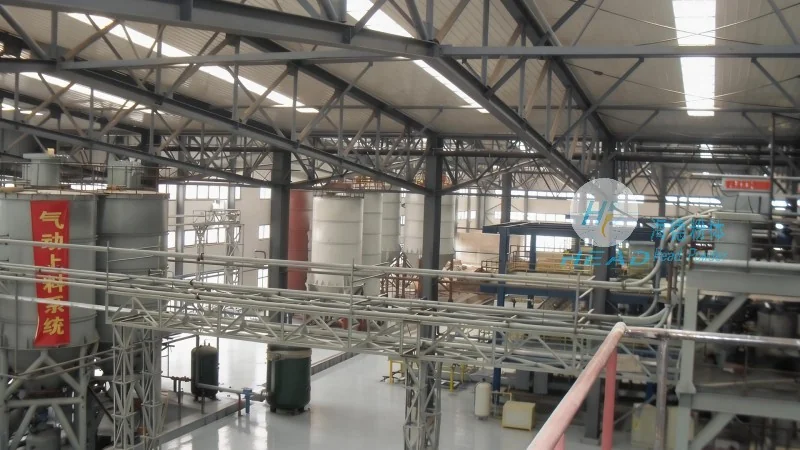
Before diving into system selection, it's essential to understand the specific demands of plastic handling operations. Plastics vary widely in properties such as particle size, density, moisture content, and abrasiveness. These characteristics directly impact the choice of conveying method and system components. For instance, fine powders may require high-velocity systems with efficient separation equipment, while bulk pellets might benefit from low-pressure or dense-phase conveying solutions. Additionally, factors like production volume, distance to be covered, and environmental considerations (such as dust control and air quality) must be evaluated to ensure the selected system meets both current and future operational needs.
Key Considerations for Selecting a Pneumatic Conveying System
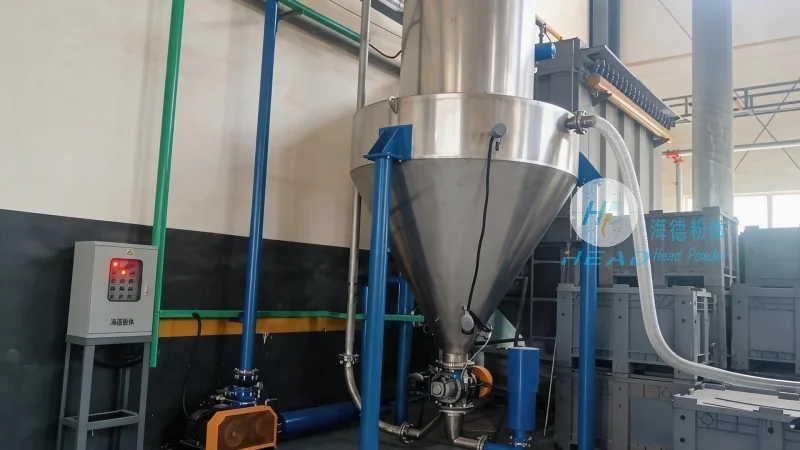
Several critical factors should guide the selection process for a pneumatic conveying system in plastic handling. First, the type of plastic material is paramount. Different plastics have distinct flow characteristics and may require specialized equipment to prevent degradation or contamination. For example, thermoplastics like polyethylene or polypropylene might need systems designed to handle temperature-sensitive materials, while rigid plastics such as polycarbonate could benefit from systems with robust wear-resistant components. Second, the system's capacity and scalability are vital. As production scales up or down, the conveying system should be able to adapt without significant modifications. This includes considering the maximum and minimum material flow rates, as well as the ability to integrate with existing infrastructure or expand in the future. Third, energy efficiency and operational costs play a significant role. Modern pneumatic conveying systems often incorporate energy-saving features such as variable speed drives, optimized air flow, and efficient separation technologies. These not only reduce utility expenses but also contribute to lower environmental impact. Fourth, maintenance and serviceability are important considerations. Systems with easy access to components, clear documentation, and reliable local support can minimize downtime and extend the system's lifespan. Finally, compliance with industry standards and regulations, particularly regarding dust explosion prevention and air quality, must be ensured to maintain safety and operational legality.
Types of Pneumatic Conveying Systems for Plastic Handling
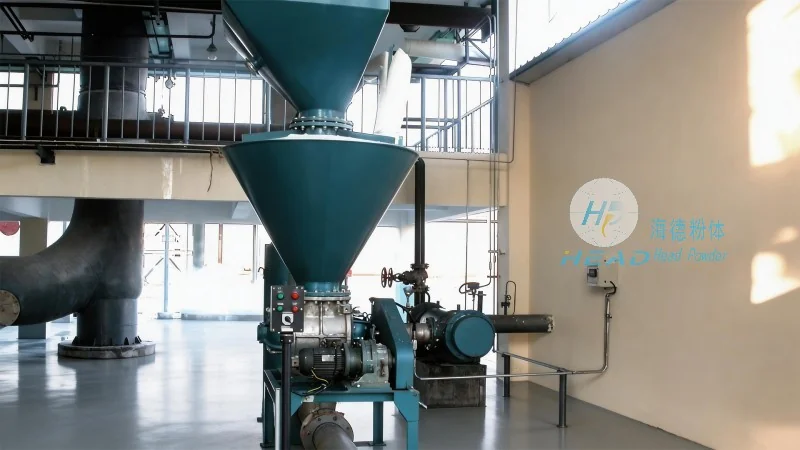
Various pneumatic conveying technologies are available, each with its own advantages and suitability for different plastic applications. The primary categories include pressure, vacuum, and dense-phase systems. Pressure systems use compressed air to push material through the pipeline, making them suitable for long-distance or high-volume conveying of free-flowing plastics. They typically operate at higher air velocities and can handle a wide range of particle sizes. Vacuum systems, on the other hand, use suction to draw material into the system, which is ideal for applications requiring material transfer from multiple sources or where the material needs to be collected from a hopper or silo. Dense-phase systems, also known as low-pressure or low-velocity systems, transport material in a slurry-like state, minimizing particle degradation and reducing wear on equipment. This method is particularly effective for handling sensitive plastics or materials prone to attrition. Other specialized systems include combination systems that offer flexibility to switch between pressure and vacuum modes, and metering systems that provide precise control over material flow rates. The choice among these types depends on the specific characteristics of the plastic material, the distance and layout of the conveying path, and the overall production requirements.
Components and Features of Effective Plastic Handling Systems
Effective pneumatic conveying systems for plastics consist of several key components designed to ensure optimal performance and reliability. The primary components include the material feed hopper, which stores and feeds the plastic material into the system. This component often features a discharge valve or feeder to control the flow rate and prevent material bridging or clogging. The conveyor line itself, typically made of corrosion-resistant materials such as stainless steel or polyethylene, transports the material from the feed point to the destination. For pressure systems, the line is sealed and pressurized, while vacuum systems use suction to draw material through the line. The separation equipment, such as cyclones or filters, is crucial for removing air from the material stream and collecting the conveyed plastic. This step ensures that the material is delivered in a dry, free-flowing state and that the air is properly filtered to meet environmental standards. Additionally, control systems and monitoring devices are essential for maintaining consistent operation. These may include pressure sensors, flow meters, and automated controls that adjust air pressure or flow rate based on real-time conditions. Some advanced systems also incorporate features like temperature control or material moisture monitoring to further protect the quality of the plastic during transport. Properly designed and maintained components work together to ensure the system operates efficiently, reduces material loss, and maintains the integrity of the plastic being handled.