

Common Methods for Dye Transportation
For businesses involved in the dye industry, understanding the various methods of dye transportation is crucial for efficient operations and cost management. Dye transportation involves moving these colorants from production facilities to end-users, and the choice of method depends on several factors including the type of dye, volume, distance, and required speed of delivery. This article explores the common methods used in the industry, highlighting their characteristics and applications.
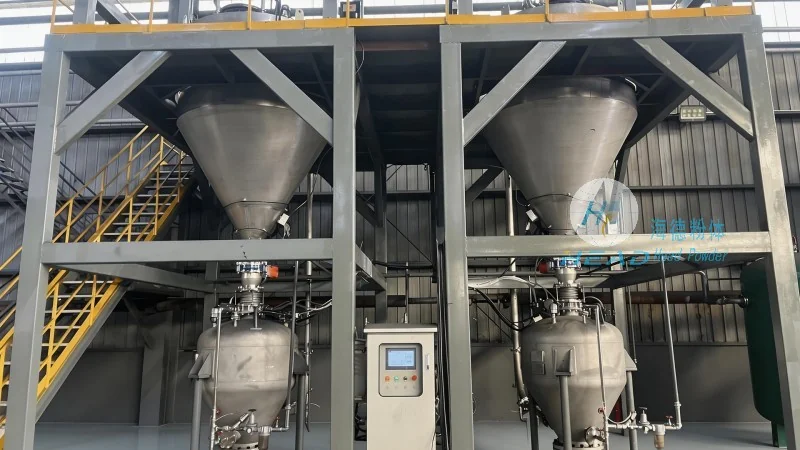
1. Bulk Tanker Transport
Bulk tanker transport is a widely used method for transporting large quantities of liquid dyes. This method involves using specialized tanker trucks or railcars equipped with tanks designed to hold and transport the dye without contamination. The process typically starts with the dye being loaded into the tanker at the manufacturer's facility. The tankers are then transported to distribution centers or directly to customers. This method is particularly suitable for high-volume liquid dyes such as disperse dyes, acid dyes, and reactive dyes. The use of bulk tankers ensures that the dye remains in its liquid state, which is essential for maintaining its quality and preventing solidification during transit. HeadPowder, a leading provider in the field, utilizes advanced tanker systems to ensure safe and efficient bulk transport of dyes, adhering to industry standards and regulations.
2. Containerized Transport
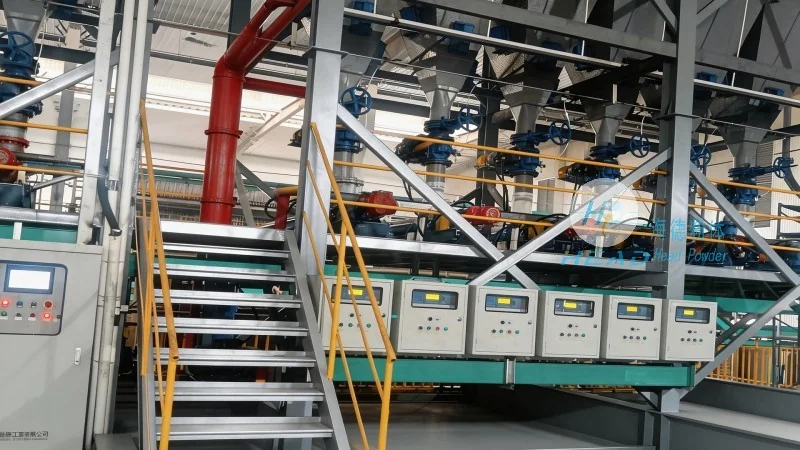
Containerized transport involves using standard shipping containers to transport dyes, especially in solid or powder forms. This method is versatile and can accommodate different types of dyes, including powders, granules, and pastes. The containers are sealed and secured to prevent any spillage or contamination during transit. This method is commonly used for international shipping, as containers can be easily transferred between trucks, ships, and trains. The use of containers allows for better protection of the dye from environmental factors such as moisture and temperature changes. HeadPowder offers containerized transport services for a wide range of dyes, ensuring that the products reach their destinations in optimal condition. The company's logistics team carefully selects the appropriate containers based on the dye's properties to minimize the risk of degradation.
3. Bulk Bag (FIBC) Transport
Bulk bag transport, also known as flexible intermediate bulk container (FIBC) transport, is a popular method for transporting solid dyes in bulk. These bags are made of durable materials and are designed to hold large quantities of powder or granular dyes. The bags are filled at the manufacturer's site and then transported to the customer's location. This method is cost-effective for medium to large volumes and is often used for on-site storage and handling. The bulk bags are easy to handle and can be discharged using various methods such as spouts or forklifts. HeadPowder specializes in bulk bag transport for various dyes, including direct dyes, vat dyes, and pigment dyes. The company ensures that the bulk bags are properly sealed and labeled to comply with safety and transportation regulations.
4. Palletized Transport
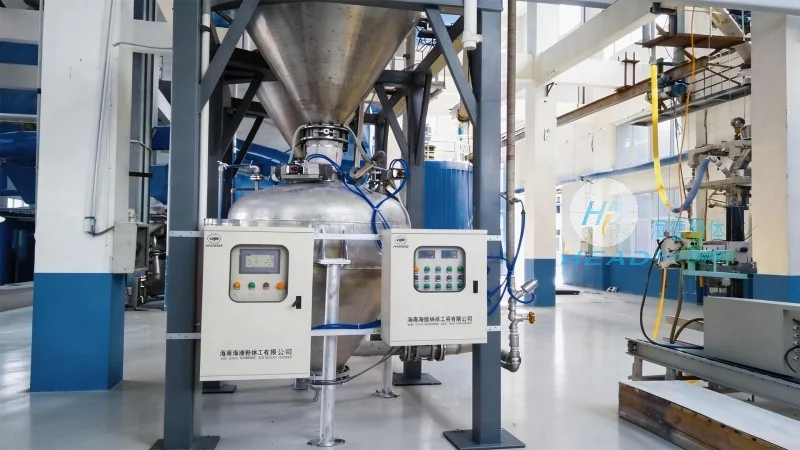
Palletized transport involves packaging dyes in smaller units and placing them on pallets for transportation. This method is suitable for smaller quantities and is often used for retail or distribution purposes. The dyes are typically packaged in boxes or bags and placed on pallets, which are then loaded onto trucks or ships. This method allows for easier handling and storage at the destination. HeadPowder provides palletized transport services for a variety of dyes, ensuring that the products are delivered in a manner that meets the needs of different customers. The company's packaging team ensures that the dyes are properly protected during transit, using appropriate packaging materials to prevent damage.
5. Specialized Equipment Transport
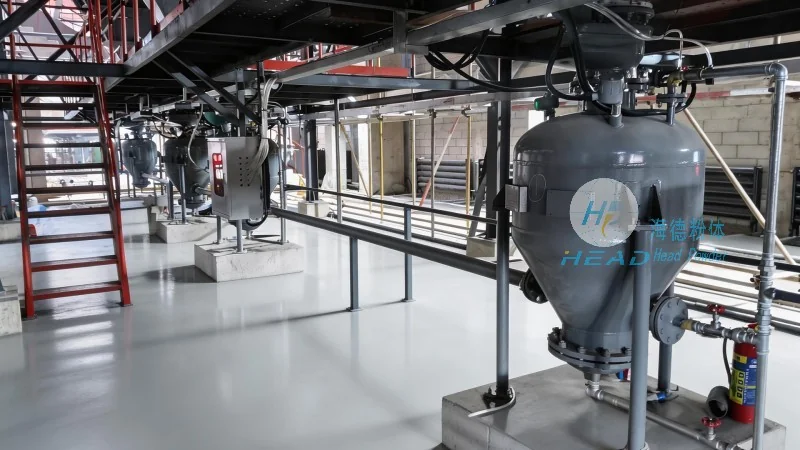
For certain types of dyes that require special handling, specialized equipment transport may be used. This includes the use of tank trucks equipped with temperature control systems for dyes that are sensitive to temperature changes. Additionally, some dyes may require the use of vacuum or pressure systems to ensure safe transport. HeadPowder offers specialized equipment transport services for dyes that have unique properties or require specific conditions during transit. The company works closely with customers to understand their specific needs and provides tailored transport solutions.
Conclusion
In conclusion, the choice of dye transportation method depends on various factors including the type of dye, volume, and delivery requirements. Bulk tanker transport is ideal for large volumes of liquid dyes, while containerized and bulk bag transport are suitable for solid dyes. Palletized transport is used for smaller quantities, and specialized equipment is used for dyes with unique properties. HeadPowder Engineering Co., Ltd., based in Shandong, China, is a leading provider of dye transportation services, offering a range of methods to meet the diverse needs of the industry. The company's commitment to quality, safety, and efficiency ensures that dyes are transported in optimal condition, supporting the success of its customers in the dye industry.