

Comparison of Common Brown Sugar Conveying Methods
When it comes to processing and transporting brown sugar, selecting the right conveying method is crucial for efficiency, cost-effectiveness, and product integrity. Various technologies are available, each with distinct advantages and limitations. This article provides a detailed comparison of common brown sugar conveying methods, highlighting the key factors that influence the choice of equipment for industrial applications.
Overview of Brown Sugar Conveying Methods
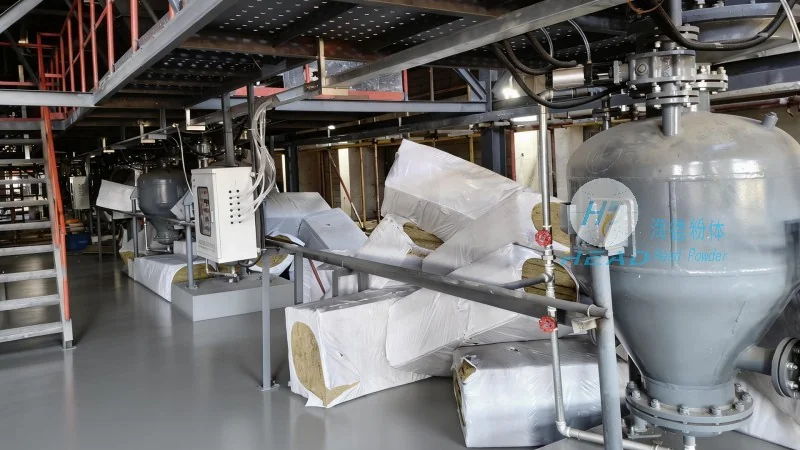
Brown sugar, with its granular structure and varying moisture content, requires specialized handling to prevent degradation and ensure smooth flow. The primary conveying methods used in the industry include gravity-based systems, mechanical conveyors, and pneumatic (air-assisted) systems. Each approach addresses specific operational needs, such as material characteristics, distance, and environmental constraints.
Gravity Conveying Systems
Gravity conveyors rely on the natural slope of the material to move it from one point to another without external power. This method is often used for short distances and when the material has a consistent flow characteristic. For brown sugar, gravity chutes or inclined belts can be effective, especially in facilities where the layout allows for a gentle slope. However, this approach is limited by the need for a suitable incline and may not be suitable for large quantities or steep inclines. The simplicity of gravity systems reduces energy consumption but may increase labor costs for setup and maintenance.
Mechanical Conveyors: Belt and Screw Conveyors
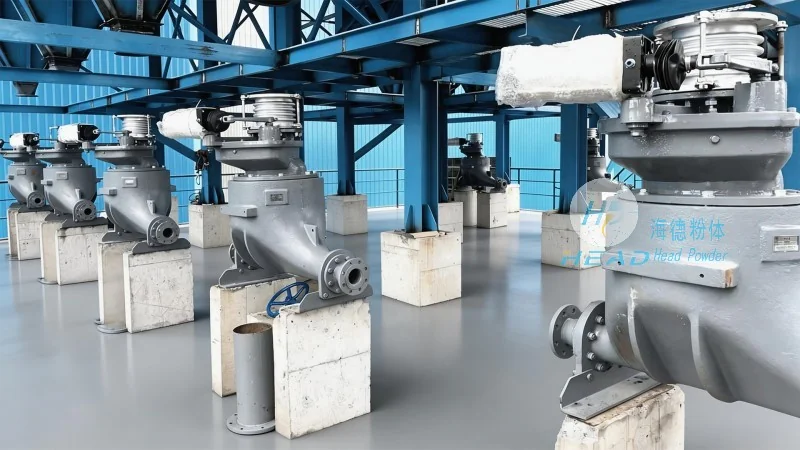
Mechanical conveyors are among the most widely used for brown sugar transport due to their reliability and adaptability. Belt conveyors use a continuous belt to move material horizontally or at a slight incline, making them ideal for long distances and large volumes. They are particularly effective for handling granular materials like brown sugar, as the belt can be designed to minimize product degradation. Screw conveyors, on the other hand, use a rotating screw to push material forward, which is suitable for vertical or horizontal transport. These systems are often chosen for their compact design and ability to handle materials with higher moisture content, though they may generate more heat and require regular cleaning to prevent clogging.
Pneumatic Conveying Systems
Pneumatic systems use air pressure to transport brown sugar in a sealed pipeline. This method is highly effective for handling fine or dusty materials, as it prevents contamination and loss. The system consists of a blower, a hopper, and a pipeline network, allowing for flexible routing and integration with other processing equipment. Pneumatic conveying is particularly advantageous for applications requiring dust control or when the material needs to be transported over long distances without intermediate storage. However, it may be less efficient for very large volumes and can be more expensive to install and maintain due to the need for air compression and filtration.
Factors Influencing Conveying Method Selection
The choice of brown sugar conveying method depends on several critical factors, including the material's physical properties, the distance to be covered, and the desired throughput. For example, if the processing plant is located on a single level with a gentle slope, gravity conveyors may be sufficient. In contrast, for multi-level facilities or longer distances, mechanical or pneumatic systems are more practical. Additionally, the moisture content and granule size of the brown sugar will affect the choice of equipment; for example, screw conveyors may be preferred for wetter materials to prevent clogging, while belt conveyors are better suited for drier, free-flowing granules.
HeadPowder's Expertise in Brown Sugar Conveying Solutions
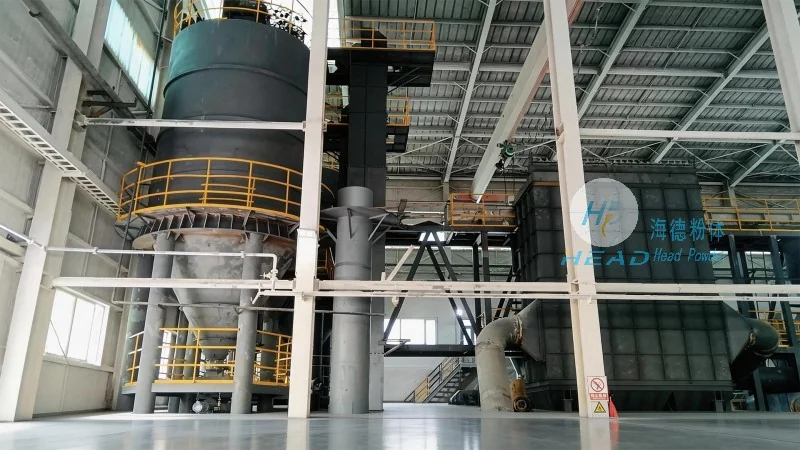
Shandong HeadPowder Engineering Co., Ltd., a leading manufacturer of industrial conveying equipment, specializes in providing tailored solutions for brown sugar processing. With decades of experience in the industry, HeadPowder understands the unique challenges of handling brown sugar and offers a range of products designed to optimize efficiency and product quality. The company's engineers work closely with clients to assess their specific needs, whether it's a gravity chute for a small-scale operation or a complex pneumatic system for a large industrial facility. By leveraging advanced materials and engineering, HeadPowder ensures that its conveying systems are durable, low-maintenance, and compliant with industry standards.
Conclusion
In conclusion, the selection of a brown sugar conveying method requires careful consideration of operational requirements and material characteristics. Gravity systems offer simplicity and low energy use, while mechanical and pneumatic systems provide greater flexibility and control. By understanding the strengths and limitations of each approach, processors can choose the most effective solution for their needs. Shandong HeadPowder Engineering Co., Ltd. remains committed to delivering high-quality conveying equipment that meets the demands of modern brown sugar production, ensuring that businesses can operate efficiently and sustainably.